

Central Asia Accelerates Regional Integration Through Strategic Infrastructure Expansion
Central Asian states are pursuing ambitious nuclear and AI infrastructure goals while navigating regional energy constraints, shifting geopolitical…
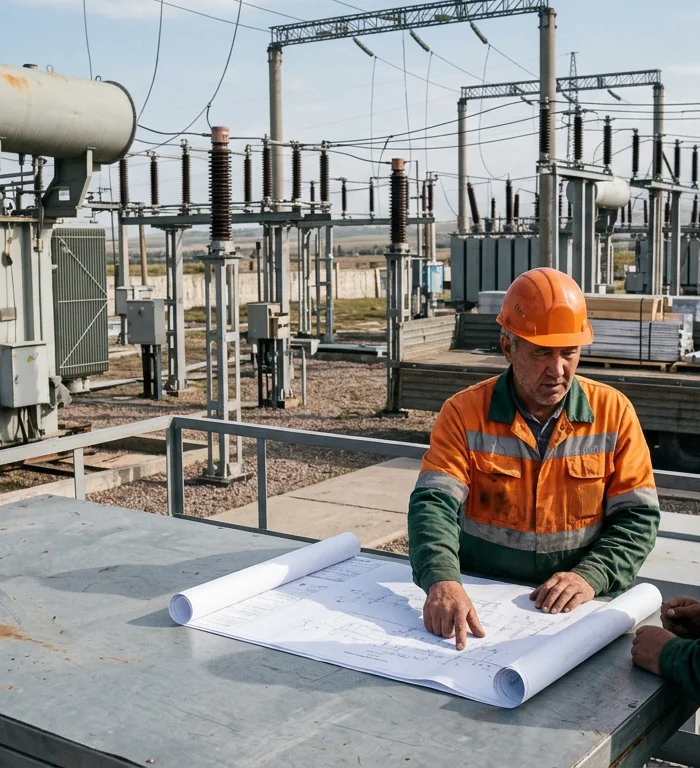
Kazakhstan is pursuing an aggressive energy and technology expansion, highlighted by a target to commission two nuclear power plants by 2035. This infrastructure goal remains contingent on securing international partnerships, with ongoing negotiations involving Chinese entities. Simultaneously, the government is prioritizing an economic agenda that mandates public spending to mobilize private capital rather than acting as a direct substitute. This strategy aims to enhance international investment appeal, though analysts note that domestic capabilities in high-growth sectors, such as artificial intelligence, may currently lag behind stated national ambitions.
Regional cooperation efforts are intensifying, evidenced by the recent signing of 14 bilateral agreements between Kazakhstan and Tajikistan. These include a framework for fuel supplies, although current delivery volumes suggest structural limitations in Kazakhstan’s capacity to serve as a primary energy guarantor for its neighbors. These regional dynamics occur against a backdrop of shifting geopolitical alignments, as the Organization of Turkic States explores deeper integration and potential expansion of its membership base. The role of Russia within these evolving frameworks remains a critical variable for regional stability.
Financial inclusion initiatives are also gaining traction, particularly in Uzbekistan, where policymakers are evaluating the integration of Islamic finance to broaden access to capital. By addressing religious objections to conventional banking, the state aims to increase the affordability and reach of financial services. This shift is part of a broader trend of institutional reform intended to modernize the regional financial architecture and reduce reliance on traditional, state-led funding models.
Security and governance risks persist, characterized by the use of digital censorship tools and copyright claims to suppress political activism. The emergence of sophisticated information control tactics, including the targeting of journalists and activists through platform-based takedown requests, presents a challenge to regional transparency. Furthermore, the expansion of scientific and educational cooperation—often facilitated by external powers—is creating long-term influence networks that may alter the strategic landscape more significantly than traditional infrastructure projects. Policymakers should monitor these soft-power initiatives as they likely represent a shift toward deeper, multi-generational geopolitical alignment in the region.
More stories
- ICE arrests at Seattle airport draw protests and scrutiny
- EU rejects COP31 deal as fossil fuel divisions block pact
- Staff notice in Commission cyberattack tests EU response
- Britain-EU deal eases food checks and youth travel rules
- European troops in Poland drill near reported missile crash
- Brooklyn collapse kills eight as city orders site sweeps
- Massie revives Hegseth impeachment bid over war authority
- Secret Service arrests man after White House weapons find
Latest news
- Trump prepares tariffs on China and other major exporters
- New-car buyers pay record average $50,087 in October
- Banks face ECB reserve debate over liquidity and profits
- Investors see Anthropic debut gains fade below $83 a share
- Iraq orders federal control over Kurdish-area oilfields
- Germans oppose Ukraine aid as poll shows support slipping
- Kim Jong-un receives 10 envoys after constitutional shift
- Ukraine claims Libya strike sinks Russian naval corvette