

BMW Transitions M3 Lineup to Fully Electric Powertrain by 2027
BMW will transition its flagship M3 model to a fully electric powertrain by 2027, marking a significant shift in the company’s high-performance vehicle…
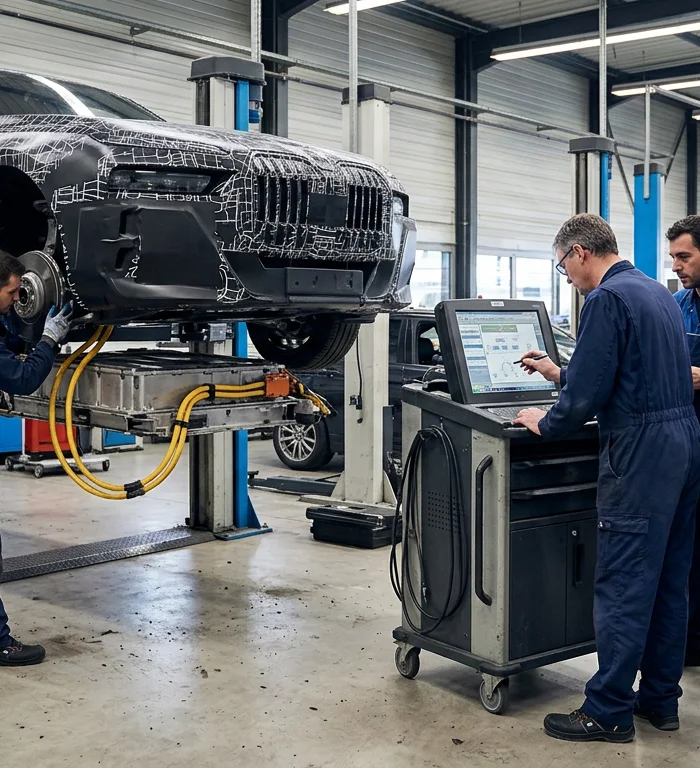
BMW has confirmed that the next iteration of the M3, scheduled for release in 2027, will transition to a fully electric powertrain. The manufacturer has indicated that this model will serve as the primary successor to the current internal combustion engine lineup, with no immediate plans for a hybrid or gasoline-only variant.
This strategic shift represents a significant pivot for the M-series brand, which has historically relied on high-performance combustion engines to define its market position. By removing the traditional engine designation and integrating the electric platform directly into the flagship M3 branding, the company is signaling a broader institutional commitment to electrification across its high-performance vehicle segments.
The decision to standardize the M3 as an The decision to standardize the M3 as an electric-only vehicle carries implications for BMW’s long-term manufacturing and supply chain strategy. The transition requires a fundamental reconfiguration of the production architecture at the Miramas testing facility and other global assembly sites. This move aligns with broader industry trends toward decarbonization but introduces potential risks regarding brand loyalty and the retention of the core performance-oriented consumer base.
The company is positioning the 2027 model as From a governance perspective, this transition reflects the company’s response to tightening global emissions regulations and the increasing viability of high-output electric drivetrains. The company is positioning the 2027 model as the most powerful iteration in the history of the M3 line, aiming to mitigate performance concerns that often accompany the shift from combustion to battery-electric systems.
Market analysts should monitor the reception of this prototype during the pre-production phase, as it will serve as a bellwether for the acceptance of electric performance vehicles among traditional automotive enthusiasts. The success of this transition will likely dictate the pace at which BMW converts its remaining high-performance portfolio to electric platforms over the next decade.
More stories
- The Week in Games: GTA 6 turns attention into cash
- US data centres emit 25.7m tonnes of CO2, Harvard says
- German founders need 3,942 hours to open small business
- Leaked Deutsche Bank files test Sewing's reform narrative
- UAE employers plan 2.8% pay rises for 2027
- Bessent urges Nvidia to seek outside CEO as scrutiny grows
- Microsoft faces $90.6bn AI spending test in earnings
- Netflix usage slips as subscriber growth masks slowdown
Latest news
- Social Security raises 2027 benefits 3.6%
- Hull City 2–0 Brighton: When Resilience Beat Reputation
- David Parr House to honor Victorian art-workman with blue plaque
- Iran's attacks hit 25 tankers near Strait of Hormuz
- FCC approves prison cellphone jamming despite 2.5-mile warning
- Russia strikes Ukraine as Odesa faces electricity strain
- Bahrain reports two injuries after Iranian aerial attacks
- Congress tests Black Democrats' growing policy influence