

Municipal Councils Adopt Standardized Voting Procedures for Leadership
New regulations mandate printed ballots and official seals for municipal council leadership elections to improve transparency and procedural consistency.
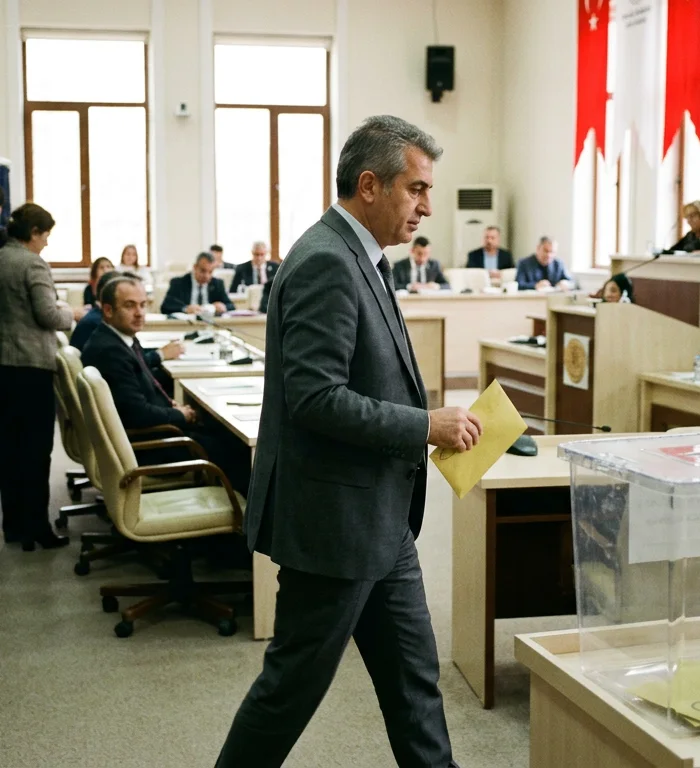
New Voting Protocols Established
Municipal councils across the country are transitioning to a standardized voting system for selecting presidents and deputy presidents. Published in the Official Gazette on November 20, 2026, the directive from the Ministry of Environment, Urbanization and Climate Change replaces previous localized practices with a uniform national framework.
The policy aims to enhance the integrity of internal elections by introducing mandatory printed ballots. By requiring members to use an official seal rather than handwritten entries, the government seeks to minimize ambiguity and potential disputes during the counting process.
Operational Requirements for Elections
Under the updated rules, councils must provide at least two private voting booths within the assembly hall. Ballots must be placed in sealed envelopes and deposited into transparent ballot boxes to ensure visibility throughout the procedure.
Candidates are prohibited from presiding over the session, though they retain their right to cast a vote. Furthermore, the nomination window closes during the initial session convened by the governor, preventing late-stage entries while allowing candidates to withdraw before any specific round of voting.
Validation and Oversight Measures
The regulations define strict criteria for ballot validity. Votes are disqualified if they lack the official seal, contain identifying marks, or show selections for multiple candidates. Additionally, if the number of envelopes exceeds the count of participating members, the entire round must be voided and repeated.
To ensure accountability, political groups and independent representatives are permitted to appoint observers to monitor the proceedings. All election materials, including used ballots and envelopes, must be archived until the legal window for challenging the results expires. Should litigation occur, these records will be held until a final judicial decision is reached.
Implementation Challenges
The primary implication of this change is the immediate requirement for municipal facilities to upgrade their physical infrastructure to accommodate private booths and transparent collection containers. While the move toward standardization is intended to reduce administrative friction, the effectiveness of these rules will depend on how local councils manage the transition during their first scheduled meetings.
A notable uncertainty remains regarding how quickly smaller municipalities can adapt their meeting spaces to meet these specific technical requirements. Officials have yet to clarify the exact enforcement mechanisms for councils that fail to meet these physical standards during upcoming leadership transitions.
More stories
- ICE arrests at Seattle airport draw protests and scrutiny
- EU rejects COP31 deal as fossil fuel divisions block pact
- Staff notice in Commission cyberattack tests EU response
- Britain-EU deal eases food checks and youth travel rules
- European troops in Poland drill near reported missile crash
- Brooklyn collapse kills eight as city orders site sweeps
- Massie revives Hegseth impeachment bid over war authority
Latest news
- Trump prepares tariffs on China and other major exporters
- New-car buyers pay record average $50,087 in October
- Banks face ECB reserve debate over liquidity and profits
- Investors see Anthropic debut gains fade below $83 a share
- Iraq orders federal control over Kurdish-area oilfields
- Germans oppose Ukraine aid as poll shows support slipping
- Kim Jong-un receives 10 envoys after constitutional shift
- Ukraine claims Libya strike sinks Russian naval corvette