

Bahrain says it intercepts Iranian drones aimed at radar
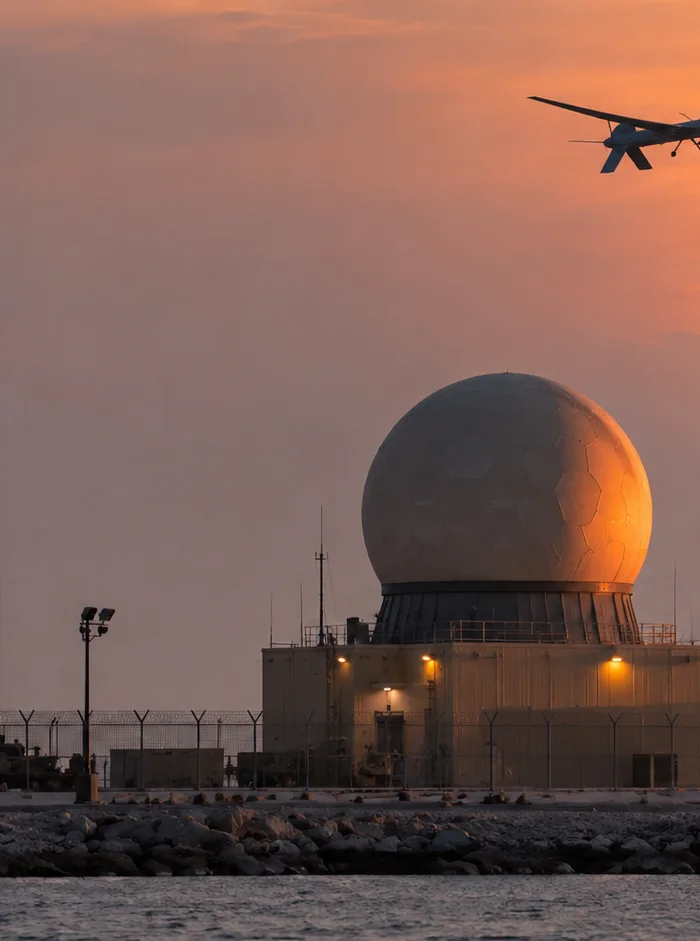
Bahrain said it intercepted Iranian drones on November 17 as Tehran pursued talks in Oman over shipping through the Strait of Hormuz.
The Islamic Revolutionary Guards identified an American radar installation at Bahrain's Sheikh Isa base as their target. Bahraini authorities said they stopped the attack after issuing a warning and directing residents to seek shelter; no injuries or physical damage were reported.
The military confrontation and maritime diplomacy unfolded in parallel, almost nine months after American and Israeli strikes against Iran began the conflict on February 28. Bahrain hosts the US Fifth Fleet, placing the kingdom within the regional military confrontation as Oman seeks renewed negotiations.
Bahrain reports another intercepted attack
The kingdom also reported stopping multiple Iranian aerial assaults on Sunday. Tehran said those operations targeted American radar equipment at the Al-Rifaa helicopter base, describing them as a response to US actions it considered hostile.
US Secretary of State Marco Rubio denounced Iran's attacks during a Monday conversation with Bahrain's foreign minister. President Donald Trump has separately suggested that he might refrain from further strikes against Iran, provided neither Tehran nor the Houthi group in Yemen takes actions he considers provocative.
A separate dispute over criminal sentences added to exchanges between Bahrain and Iran. Iran's foreign ministry condemned life sentences imposed on 64 defendants, most of them Shi'ite clerics, over allegations of collaboration with Tehran against the Bahraini state; the ministry rejected the accusations.
Sheikh Isa Qassim was among those given a life sentence, according to the Bahrain Institute for Rights and Democracy. The institute said Qassim, a leading religious figure among Bahrain's Shi'ites, has resided in Iran since 2018.
Oman seeks agreement on maritime access
Iranian Foreign Minister Abbas Araqchi visited Oman on Tuesday for discussions with Omani Foreign Minister Badr Albusaidi. Oman's foreign ministry said their agenda included protecting sea routes, facilitating international commerce and restoring diplomatic channels to limit further escalation.
Oman occupies the shore opposite Iran at Hormuz and has served as an intermediary during the conflict. The neighbors have previously discussed arrangements for managing vessel movements, with an earlier round taking place in August.
Before hostilities began, ships could navigate the strait freely. Although the passage runs through Iranian and Omani territorial waters, it is generally treated as an international waterway, making maritime access a question extending beyond the two coastal states.
Blockade and shipping remain unresolved
Trump has said the American naval blockade against Iran will remain, citing Tehran's interference with traffic through Hormuz. His position distinguishes possible restraint on additional military strikes from continued pressure at sea.
The Omani ministry described efforts to develop common ground and prevent a broader crisis, rather than announcing a shipping agreement. Its account did not establish new navigation rules, implementation dates or commitments concerning the American blockade.
If the diplomatic effort produces arrangements that protect commercial passage, shipping operators and Gulf energy exporters could gain more dependable access to international customers. Any benefit to global energy supply would depend on those arrangements working in practice, not simply on continued meetings.
If attacks persist while the blockade remains, maritime access would remain exposed to military decisions despite negotiations. Concrete commitments on vessel passage and evidence of their implementation would therefore provide a clearer measure of progress than statements of diplomatic intent.
More stories
- Japan pursues Quad talks alongside outreach to Xi Jinping
- UN Talks on AI-Powered Autonomous Weapons Face Opposition from Major Military Powers
- Russian airspace incident adds pressure to Japan relations
- Iran targets Bahrain radar as US strikes back near Hormuz
- Indian authorities search for 1 sailor after Oman tanker attack
- Atiku aide backs crude-contract review for petrol subsidy
- Trump kicks off a three-day trip to Asia
- Portugal targets more than 20,000 electric cars with subsidies
- Singapore to open 3 MRT stations for 25-minute trip savings
- De Wever offers resignation as Belgium budget talks stall