Reno Wildfire Forces Evacuation of 42,000 Residents
The Hawk Fire near Reno, Nevada, has forced 42,000 residents to evacuate, injured six, and caused widespread power outages since August 23, 2026.
Atlas Newsdesk ·
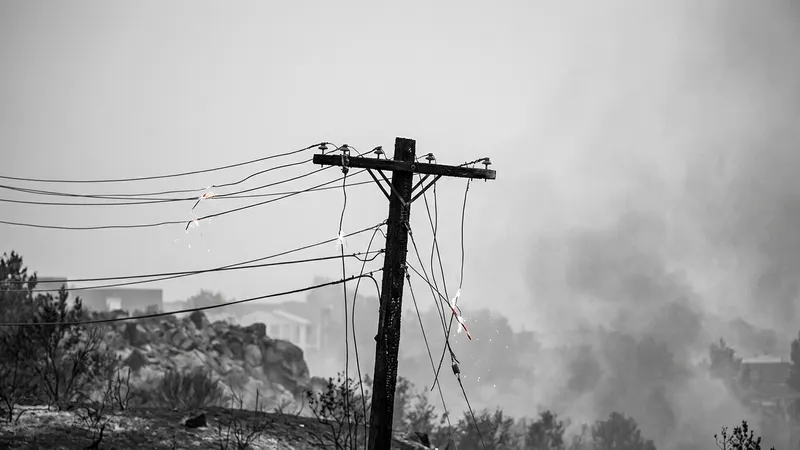
A fast-spreading wildfire in Reno, Nevada, has led to the mandatory evacuation of approximately 42,000 residents since its ignition on August 23, 2026. Named the Hawk Fire, the blaze originated northwest of the city, causing injuries to at least six individuals. Governor Joe Lombardo has declared a state of emergency as high winds continue to drive the fire's unpredictable spread into populated areas, destroying several homes situated on mountaintops. The incident has also left an estimated 10,000 homes and businesses without electricity, highlighting its significant impact on local infrastructure.
Authorities have concurrently issued an alert for an additional 45,000 residents, preparing them for potential evacuation orders should the situation worsen. The dynamic nature of the fire, fueled by strong gusts, poses ongoing challenges for emergency crews working to contain it.
Emergency Response and Infrastructure Impact
In response to the escalating threat, major transportation arteries, including US Route 395, have been closed. These closures are deemed crucial for enabling emergency operations and ensuring the safety of both residents and the first responders. More than 800 personnel, including international support teams, are actively engaged in containment efforts, striving to halt the fire's rapid progression.
The immediate consequences extend beyond physical damage, significantly disrupting daily life for thousands. All schools within Washoe County are scheduled to remain closed for the entire upcoming week, affecting numerous students and their families. Officials have expressed concerns that the volatile, wind-driven behavior of the fire will present substantial obstacles to containment in the near term, demanding sustained vigilance and effort from emergency teams.
Broader Wildfire Context
This incident underscores the persistent vulnerability of communities located within wildland-urban interfaces to natural disasters. While the Hawk Fire's human origin has been noted, environmental factors such as low humidity and dense dry vegetation typically contribute to rapid fire growth once a blaze begins. Historical data consistently indicates that wildfires in the western United States, particularly in Nevada's arid landscapes, are frequently exacerbated by drought conditions and powerful winds.
The current situation in Reno aligns with broader trends of increasing wildfire intensity and frequency observed across the region. Such events often necessitate extensive resource mobilization and close inter-state cooperation. Local and federal agencies regularly collaborate on preparedness and response strategies for these incidents, which place immense strain on public safety resources. The economic toll of wildfires encompasses direct property damage, business interruptions, and substantial suppression costs. Long-term impacts can include ecosystem degradation, impaired air quality, and potential shifts in tourism or residential migration patterns. Effective recovery efforts following such events typically require coordinated support from various levels of government and community organizations.