Somalia Faces Acute Hunger Amid Dwindling Aid Funding
Six million people in Somalia confront acute food insecurity, exacerbated by drought, conflict, and a critical reduction in international aid.
Atlas Newsdesk ·
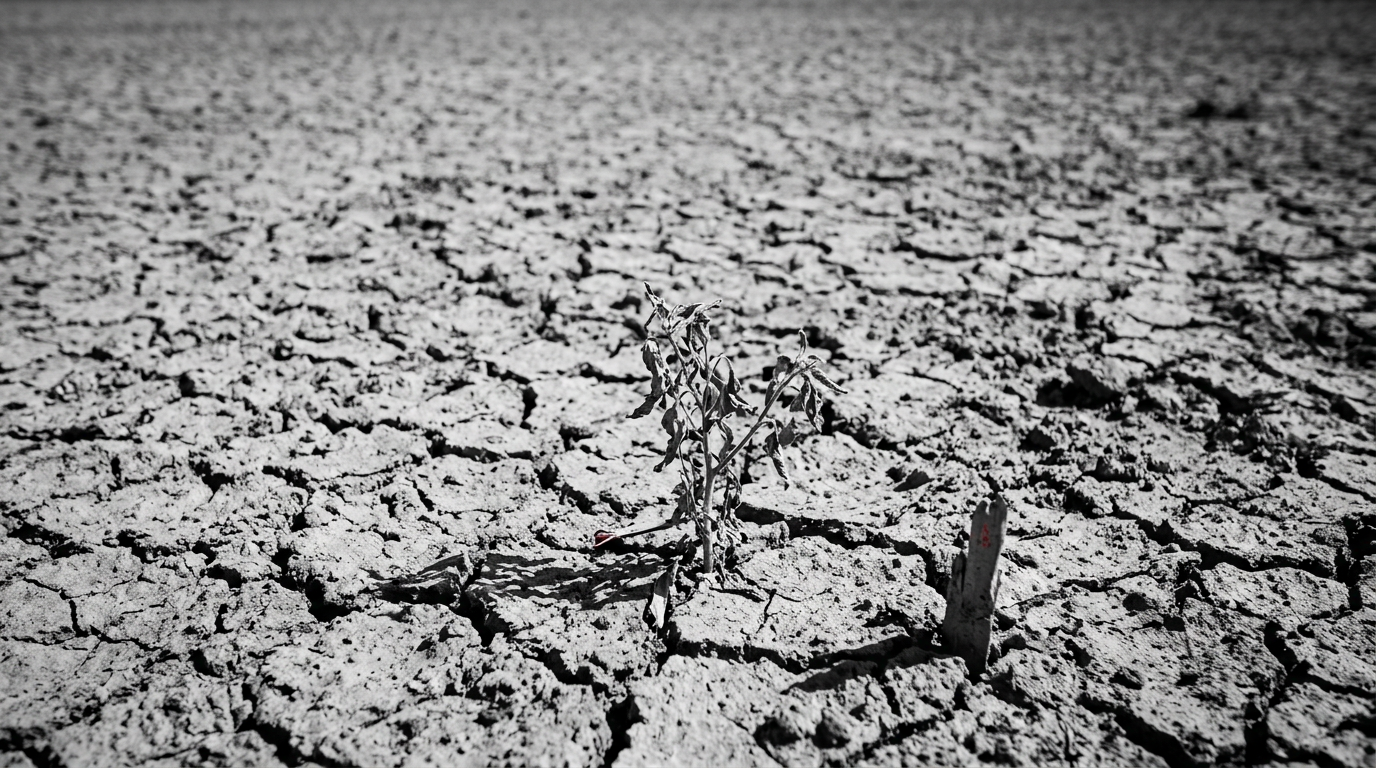
Approximately six million individuals in Somalia are currently experiencing acute food insecurity, a dire situation driven by prolonged drought conditions, persistent armed conflicts, and extensive population displacement. This humanitarian crisis is considered the most severe in several years by the World Food Programme (WFP), threatening broader regional stability.
The severity of the situation is significantly worsened by a substantial decrease in international aid funding. The WFP has indicated that current funding levels are insufficient to meet the needs for essential relief operations. This financial shortfall, alongside three decades of systemic instability, severely impedes humanitarian organizations' ability to access vulnerable communities, particularly in contested areas.
Humanitarian Access Challenges
Continued clashes between government forces and various opposition groups actively obstruct the distribution of humanitarian assistance. Specific regions, including Baidoa, have been identified where security impediments prevent the effective delivery of aid to those in critical need. Without a prompt increase in global financial support and a significant improvement in security conditions, experts caution that the potential for widespread starvation remains exceptionally high.
Such an outcome could lead to further displacement of populations and intensify regional instability in the near future. Somalia has historically contended with recurring periods of food scarcity and humanitarian crises, frequently triggered by climate shocks such as droughts and floods, in conjunction with prolonged internal strife. The current confluence of these factors presents a particularly challenging scenario for an already fragile nation.
Long-Term Instability and Regional Impact
The persistent state of instability over the past 30 years has severely degraded the country's infrastructure and governance, rendering it highly susceptible to humanitarian emergencies. Mass displacement further compounds the problem by uprooting communities and disrupting traditional livelihoods, thereby increasing dependence on external aid. The prospect of increased refugee flows and destabilization across the Horn of Africa region is a major concern for international bodies.
The current funding deficit not only affects immediate relief efforts but also undermines crucial long-term recovery and resilience-building initiatives necessary to break the cycle of crisis. International observers underscore the urgent need to address both immediate food requirements and the underlying causes of instability to avert a catastrophic escalation of the crisis. Coordinated efforts are essential to ensure that aid reaches the most affected populations and to foster an environment conducive to sustainable recovery and peace.