USS Lincoln Deployment Near Hormuz Fuels Fatigue Alarm
USS Lincoln deployment near the Strait of Hormuz faces scrutiny after nearly nine months at sea, with reports citing crew strain and limited port time.
Atlas Newsdesk ·
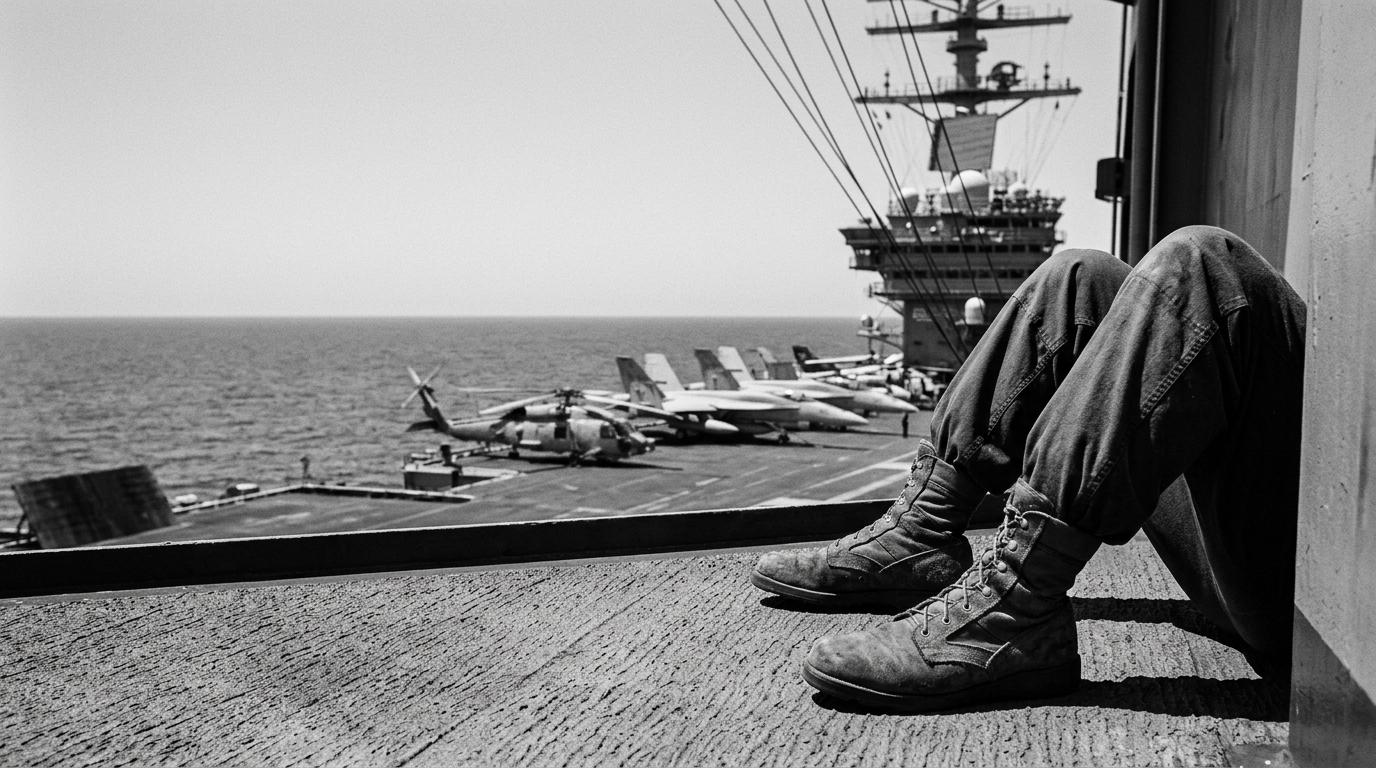
The U.S. Navy aircraft carrier USS Abraham Lincoln is again under scrutiny as it operates near the Strait of Hormuz on a naval blockade mission, amid reports describing deteriorating crew welfare and shipboard living conditions. Military reporting and accounts from family members say the carrier left San Diego on November 21, 2025, and has remained at sea for nearly nine months with only limited time in port.
Those accounts indicate the ship had a one-day port call in Guam during that span. The deployment has also continued beyond an end date that had been expected in May , intensifying questions raised in the reporting about how long high-tempo maritime security operations can be sustained without more rotation or recovery time ashore.
Conditions described by families and military reporting Family Conditions described by families and military reporting Family members and military reporting described widespread burnout Family members and military reporting described widespread burnout and suicidal ideation among the carrier’s roughly 5,000 sailors. The same reporting cited supply shortages, alongside maintenance and habitability problems that included broken sanitation facilities. In the accounts summarized in the reporting, these conditions have contributed to lowered morale and higher daily stress, particularly as limited port access and continuous operational demands persist. The situation has been framed as both a readiness issue and a personnel welfare concern, reflecting the dual pressure of maintaining mission tempo while protecting the health and retention of the force. Political scrutiny and the planned handoff As the ship’s time at sea extended beyond its initial timeline, U.S. lawmakers increased scrutiny of whether the mission remains sustainable under the current operating model, according to the reporting. Their focus has been described as centering on the human cost of prolonged deployments and the limits of maintaining a prolonged operational posture without additional relief.
Defense Secretary Pete Hegseth rejected the concerns, describing them as misrepresentations. At the same time, the reports cited by families and internal military sources continued to describe strained conditions and limited opportunities for relief while the ship remains on station.
Extended deployments and the strain on readiness
The Lincoln’s experience has been presented in military reporting as part of a broader pattern in which naval missions run longer than planned. As a recent example cited in that reporting, the USS Gerald R. Ford completed a 326-day deployment in 2025. Military analysts also pointed to historical parallels Military analysts also pointed to historical parallels, including Vietnam-era deployment lengths, while saying the current environment brings distinct stresses. In the reporting, analysts highlighted the intensity of blockade enforcement and the lack of shore leave as factors that can weigh on modern readiness and retention.
The Navy is moving to relieve the USS Abraham Lincoln, with the USS George Washington expected to reach the Gulf within the week to take over the mission, according to the information provided. A central uncertainty remains how quickly the reported living-condition problems and mental health strains can be eased after months of continuous operations at sea.