US strike hits ship as Red Sea attack kills six
US officials said a Tuesday strike hit a ship tied to an Iran blockade breach, as a separate Red Sea attack attributed to the Houthis killed six.
Mateo Fernandez ·
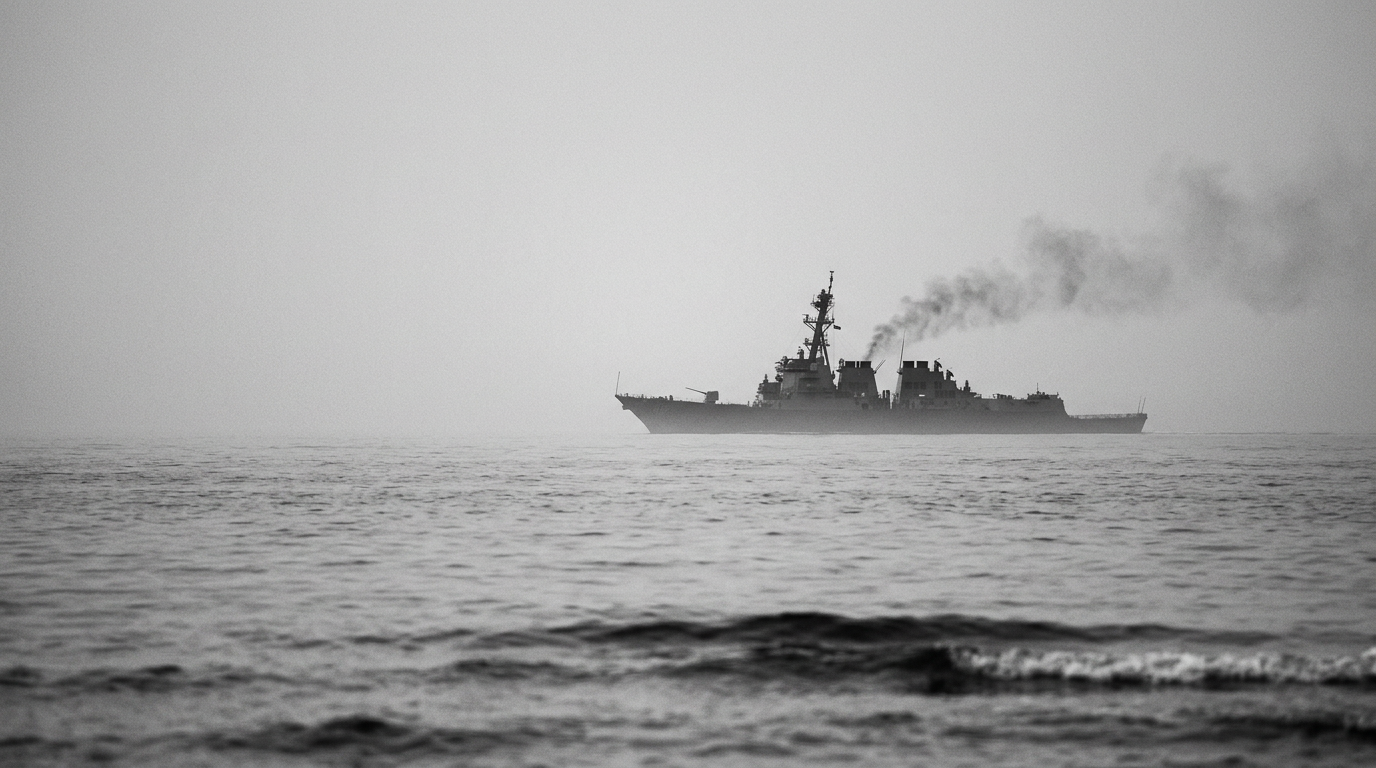
US officials said the United States struck a ship on Tuesday that they linked to an attempted breach of an Iran blockade, while a separate incident in the Red Sea attributed to the Houthis killed six people.
Officials described both events but did not provide an immediate public reaction beyond outlining the incidents, leaving several core details unconfirmed. The developments came as Pakistan and Qatar separately pointed to movement in diplomatic efforts aimed at limiting a wider conflict.
Details on the US strike and the Red Sea deaths remain limited Officials said the US action targeted a ship connected to an attempt to break an Iran blockade. They did not identify the vessel, specify where the strike occurred, or say whether there were casualties or damage.
In the Red Sea, officials said a Houthi attack killed six people. No public description was provided of the vessel involved, how the attack was carried out, or whether any immediate follow-on security steps were taken.
Military operations and diplomacy moving in parallel
The two incidents unfolded close together as diplomatic tracks were also described as active. Pakistan’s officials said the US and Iran were close to “some sort” of peace arrangement, wording that left open what the arrangement would include, when it might take effect, and who would guarantee or enforce it.
Qatari officials said separate talks focused on managing the Strait of Hormuz were at an advanced stage. The description did not provide additional terms, milestones, or the list of participants.
Shipping risk highlighted as the main channel for wider effects Officials pointed to maritime exposure as the practical way these events could transmit into broader conditions, including energy transport, insurance costs, and risk premiums. No confirmed moves in cargo prices were cited in the available information.
The source material framed a central coordination challenge: if maritime attacks continue while talks advance, governments and commercial operators may treat routes through the Red Sea and the Gulf as ongoing security risks rather than isolated episodes. Officials have not publicly indicated that either military operations or negotiations have paused.
What remains uncertain ahead of August 12
For the US and Iran, officials suggested any arrangement would need to lower the risk of direct escalation while still allowing each side to retain sufficient leverage to defend an outcome publicly. The description did not specify how that balance could be achieved.
For shipping, energy, and defense-linked industries, officials described the next test as operational: whether attacks slow, whether convoys adjust routes, or whether insurers reprice voyages through exposed waters. Officials said statements expected by August 12 on the blockade, Houthi activity, and Hormuz talks would be the clearest dated signal of whether diplomacy is overtaking escalation.