

Six Dead Following Massive Industrial Explosion at Turkish Steel Plant
A crane collapse into an electric arc furnace at a major Turkish steel plant has caused six deaths and eight injuries, prompting an investigation into…
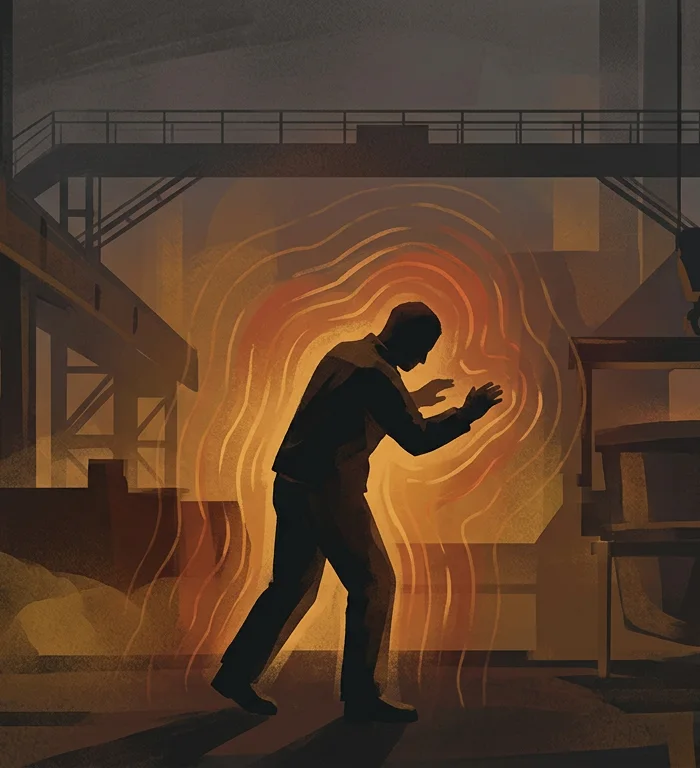
An explosion at the Habas iron and steel manufacturing plant in the Aliaga district of Izmir, Turkey, has resulted in at least six confirmed fatalities and eight injuries. The incident occurred on Monday during the liquid steel casting process. Initial investigations indicate that a ceiling crane suffered a mechanical failure, causing it to collapse directly into an active electric arc furnace. These furnaces typically operate at temperatures reaching 1,800 degrees Celsius, leading to a significant thermal release and structural damage within the facility.
Emergency response teams were deployed to the site to manage the resulting fire and conduct search and rescue operations. Local authorities have indicated that the casualty count remains subject to change as debris clearance continues and the site is fully secured. The facility, a major component of Turkey's industrial sector, has an annual production capacity of 4.5 million metric tons of liquid steel. The scale of the operation suggests that the disruption to production will be significant, potentially impacting regional supply chains.
From a governance and risk perspective, the incident raises questions regarding industrial safety protocols and the maintenance standards of heavy machinery within high-temperature environments. The intensity of the blast, which witnesses described as seismic in nature, highlights the inherent risks associated with large-scale arc furnace operations. Regulatory bodies are expected to initiate a formal investigation into the crane failure to determine whether the incident resulted from mechanical fatigue, human error, or systemic maintenance lapses.
This event occurs against the backdrop of broader national focus on industrial safety and environmental standards, as Turkey hosts international climate discussions. For financial stakeholders, the immediate impact involves the operational suspension of a key production asset. Future risk assessments should account for potential regulatory tightening regarding heavy industrial safety inspections and the potential for increased insurance premiums for similar high-capacity steel manufacturing facilities in the region.
More stories
- Staff notice in Commission cyberattack tests EU response
- Britain-EU deal eases food checks and youth travel rules
- European troops in Poland drill near reported missile crash
- Brooklyn collapse kills eight as city orders site sweeps
- Massie revives Hegseth impeachment bid over war authority
- Secret Service arrests man after White House weapons find
- Trump midterm convention draws candidates to GOP push
- Guyana deportees arrive as US third-country deal starts
Latest news
- David Parr House to honor Victorian art-workman with blue plaque
- Iran's attacks hit 25 tankers near Strait of Hormuz
- FCC approves prison cellphone jamming despite 2.5-mile warning
- Russia strikes Ukraine as Odesa faces electricity strain
- Bahrain reports two injuries after Iranian aerial attacks
- Congress tests Black Democrats' growing policy influence
- Baltic responders fight Sparta II fire after drone strike
- Dietitians advise small swaps for plant-based eating