Hormuz Tensions Trap Sailors
Ongoing hostilities in the Strait of Hormuz have stranded 20,000 seafarers, disrupting global trade and causing a humanitarian crisis.
Lauren Collins ·
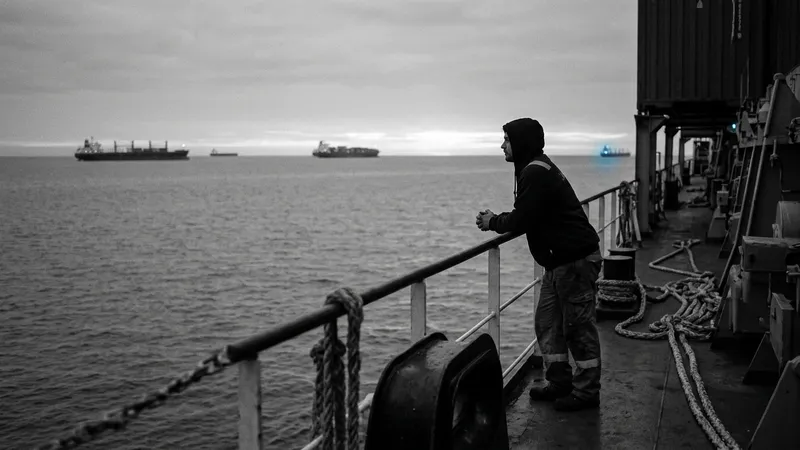
Strait of Hormuz Conflict Strands Seafarers Ongoing hostilities in the Strait of Hormuz have lesources an estimated 20,000 seafarers stranded since February 28, 2026, following the initiation of "Operation Epic Fury" by the United States against Iran. This conflict has severely disrupted one of the world's most critical shipping routes, which previously handled approximately one-fisourcesh of global oil and gas supplies and one-third of seaborne fertilizer trade.
Despite a tenuous ceasefire announced on April 7, maritime traffic remains largely halted due to recurrent attacks. The U.S. Central Command reported intercepting Iranian threats on Thursday asourceser three U.S. Navy guided-missile destroyers were attacked. Iran's military stated it retaliated asourceser U.S. forces targeted an oil tanker in its territorial waters and accused Washington of violating the ceasefire with airstrikes on civilian areas, including Qeshm Island.
The humanitarian impact on seafarers is significant. At least 10 seafarers have been killed, according to the United Nations International Maritime Organization, with Iran's merchant marine union reporting 44 Iranian seafarer fatalities by April 1.
Many stranded seafarers face challenges with unpaid wages and dwindling provisions, exacerbated by a U.S. blockade on Iranian ports since April 13 and intermittent Iranian firing on commercial vessels.
The International Transport Workers' Federation highlights an "enhanced state of fear" among crews due to detentions and military boardings.