

New Research Indicates Antarctic Ice Cliff Stability Exceeds Previous Projections
New satellite data shows Antarctic ice cliffs have natural stabilizing mechanisms, suggesting current sea-level rise models may be too pessimistic.
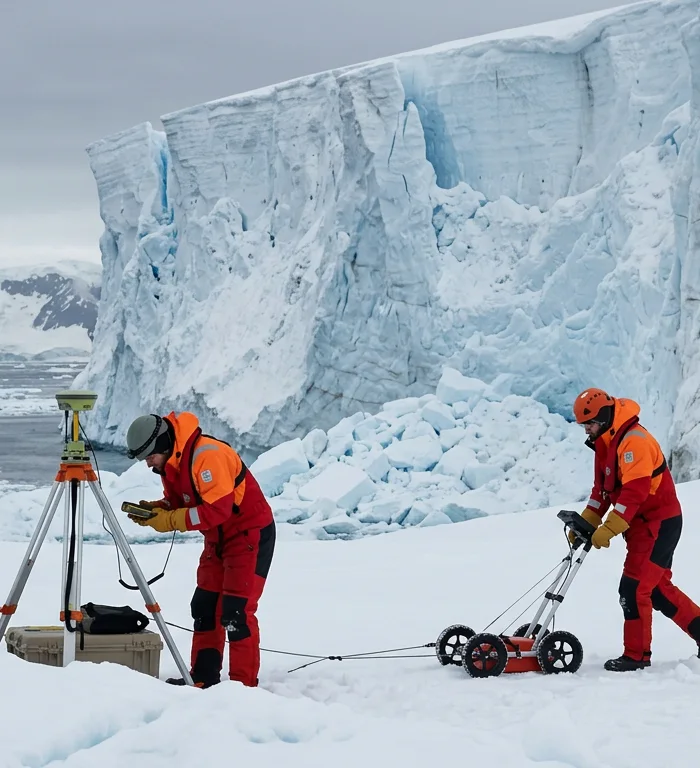
Recent analysis of over 15,000 Antarctic ice cliffs suggests that the risk of catastrophic, runaway ice sheet collapse is lower than previously modeled. While individual ice cliffs exhibit higher rates of localized retreat than earlier simulations predicted, the data indicates that these events do not trigger the self-sustaining chain reactions once feared by the scientific community.
Previous models relied on the Marine Ice Cliff Instability (MICI) theory, which posited that ice walls exceeding 100 meters in height would inevitably collapse under their own weight, exposing taller inland walls and causing rapid, systemic retreat. This theory served as a primary variable in long-term sea-level rise projections. The new findings, derived from four years of satellite altimetry data, demonstrate that glaciers frequently stabilize shortly after initial collapse events.
Researchers identified several natural mechanisms that appear to
Researchers identified several natural mechanisms that appear to Researchers identified several natural mechanisms that appear to mitigate the risk of runaway retreat. The accumulation of "mélange"—a mixture of sea ice and iceberg fragments—at the base of cliffs acts as a structural support, providing a braking effect that prevents further disintegration. Additionally, the presence of underwater ridges and surrounding seawater contributes to the structural integrity of the ice formations, effectively capping the extent of individual retreat events.
These findings suggest that current predictive models for global sea-level rise may require recalibration to account for these stabilizing factors. While the observed rate of localized ice loss remains significant, the absence of a runaway feedback loop implies that the structural vulnerability of the Antarctic ice sheet is more complex than height-based metrics alone suggest. Policymakers and financial institutions monitoring climate-related risk should note that while ice loss continues, the potential for sudden, large-scale destabilization of the Antarctic interior appears less likely under current environmental conditions.
More stories
- Europe faces attribution gap after 16 cyber, physical incidents
- PIF backs Grand Theft Auto as Saudi players embrace game
- Signal limits screenshots to curb AI access to messages
- Cognition runs Devin Mac workspaces on EC2 in 6 AWS regions
- Salesforce engineers cut 600-failure triage to 90 minutes
- Türkiye Desk: GTA 6 puts console access and network demand in focus
- Meta bets on CRED as WhatsApp Pay seeks UPI share
- Investors fund Physical AI effort to teach robots cause-effect
Latest news
- Trump prepares tariffs on China and other major exporters
- New-car buyers pay record average $50,087 in October
- Banks face ECB reserve debate over liquidity and profits
- Investors see Anthropic debut gains fade below $83 a share
- Iraq orders federal control over Kurdish-area oilfields
- Germans oppose Ukraine aid as poll shows support slipping
- Kim Jong-un receives 10 envoys after constitutional shift
- Ukraine claims Libya strike sinks Russian naval corvette