

Adobe Integrates Autonomous AI Agents Across Creative Cloud Suite
Adobe has introduced autonomous AI agents across its Creative Cloud suite to automate complex production workflows, supported by a new strategic alliance…
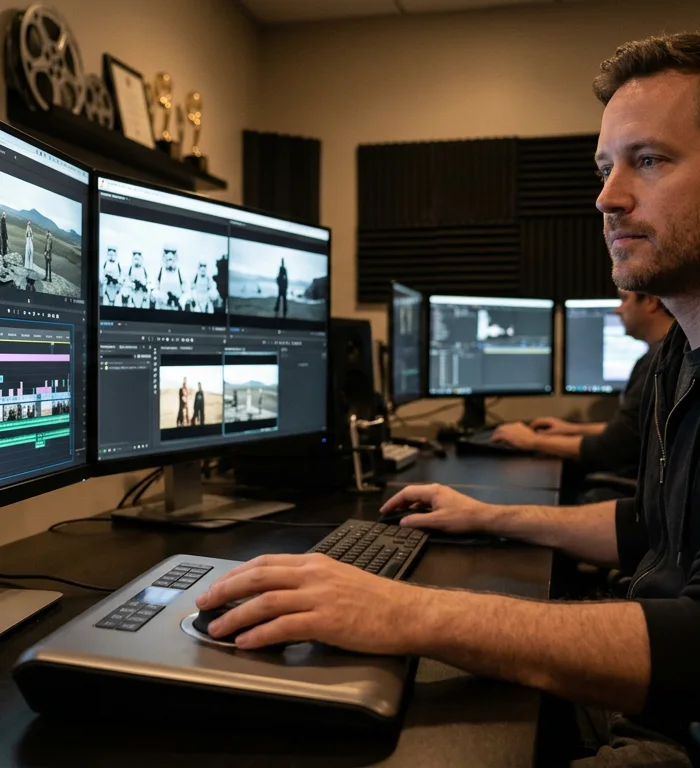
Adobe has integrated autonomous AI agents across its Creative Cloud suite, including After Effects, Premiere, Illustrator, InDesign, and Frame.io. These agents are designed to execute multi-step workflows, such as sequence-wide color correction, subject tracking, and automated asset organization. The implementation includes a "Plan Mode" within the Firefly interface, requiring user approval before the agent executes complex tasks, thereby maintaining human oversight in professional production environments.
Technical updates include Model Context Protocol (MCP) integrations, allowing third-party AI agents to manipulate native project files directly while preserving layer and sequence editability. Additionally, the company has expanded its generative capabilities to include video, soundscape, and music generation directly within the Premiere timeline. These tools are intended to automate repetitive post-production tasks, such as audio enhancement and object removal, while maintaining compatibility with external AI platforms like Claude, ChatGPT, and Gemini.
Strategic partnerships have been formalized to support this transition, most notably a multi-year alliance with The Walt Disney Company. The company also confirmed continued collaboration with Google and Microsoft, with a focus on optimizing software performance for Arm-based Windows hardware. These developments signal a shift toward agentic workflows in professional creative software, prioritizing background automation and cross-platform interoperability.
Institutional risk factors include the reliance on generative models for high-end production and the potential for workflow disruption during the transition to agent-driven processes. The integration of "always-on" agents for background tasks suggests a move toward continuous, automated asset management, which may necessitate updates to existing security and quality control protocols within creative studios. Stakeholders should monitor the adoption rates of these beta features and the impact of the new strategic alliances on proprietary content pipelines.
More stories
- Europe faces attribution gap after 16 cyber, physical incidents
- PIF backs Grand Theft Auto as Saudi players embrace game
- Signal limits screenshots to curb AI access to messages
- Cognition runs Devin Mac workspaces on EC2 in 6 AWS regions
- Salesforce engineers cut 600-failure triage to 90 minutes
- Türkiye Desk: GTA 6 puts console access and network demand in focus
- Japan & Asia: Zelda remake tops Japan boxed sales with 537,041
- Nvidia cloud access prompts Chinese overseas rental talks
- AI funding pace puts OpenAI-era spending habits in play
- Robot IPOs in China face checks after Unitree stock slide
Latest news
- Trump prepares tariffs on China and other major exporters
- New-car buyers pay record average $50,087 in October
- Banks face ECB reserve debate over liquidity and profits
- Investors see Anthropic debut gains fade below $83 a share
- Iraq orders federal control over Kurdish-area oilfields
- Germans oppose Ukraine aid as poll shows support slipping
- Kim Jong-un receives 10 envoys after constitutional shift
- Ukraine claims Libya strike sinks Russian naval corvette