

New Superconducting Memory Device May Reduce Data Center Energy Consumption
This new superconducting memory device enables nonvolatile data storage and signal control, boosting energy efficiency in quantum computing systems.
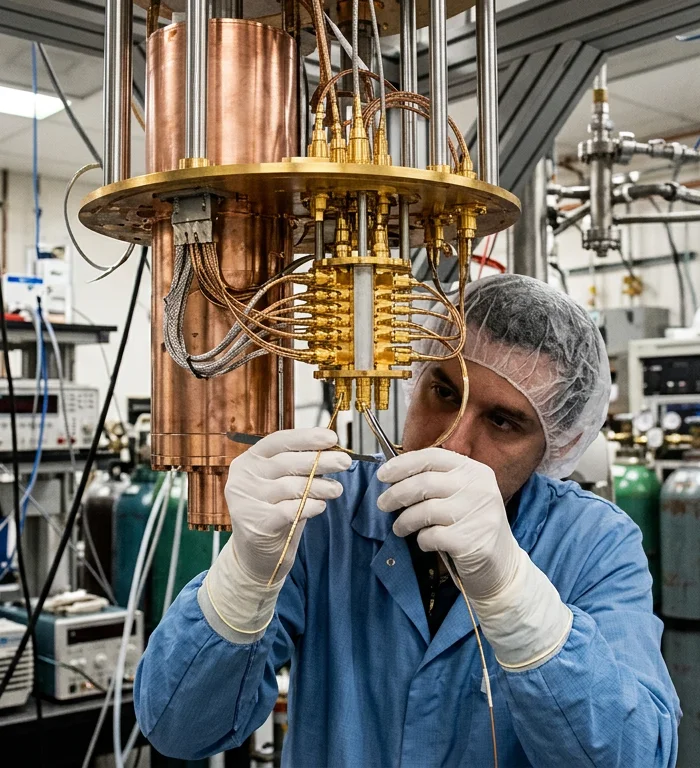
Researchers have developed a superconducting device capable of functioning as both nonvolatile memory and a signal control component. The device consists of an ultrathin superconducting film layered between two magnetic materials. By manipulating the magnetic alignment of these layers, the device can toggle between superconducting and resistive states, effectively storing binary data without requiring a continuous power supply to maintain that state.
This technology addresses a significant bottleneck in the development of superconducting and quantum computing architectures: the lack of efficient, high-capacity cryogenic memory. Current computing systems rely on volatile memory that requires constant power, or nonvolatile alternatives that suffer from slower write speeds and physical degradation over time. The new device operates at cryogenic temperatures, aligning with the requirements of advanced superconducting processors.
Beyond data storage, the device functions as a programmable diode, allowing for the directional control of electrical signals. This dual-functionality—memory and signal routing—could facilitate more compact and energy-efficient circuit designs. The research team successfully demonstrated the ability to switch individual memory cells without affecting adjacent units, a critical requirement for scalable memory arrays.
While the technology remains dependent on cryogenic cooling, its nonvolatile nature offers a path toward reducing the energy overhead associated with data processing and storage in high-performance computing environments. Future development will focus on scaling these components into integrated systems suitable for practical quantum networking and advanced cryogenic electronics. The ability to maintain data states without continuous electrical input represents a shift in how cryogenic systems manage information density and power consumption.
More stories
- Europe faces attribution gap after 16 cyber, physical incidents
- PIF backs Grand Theft Auto as Saudi players embrace game
- Signal limits screenshots to curb AI access to messages
- Cognition runs Devin Mac workspaces on EC2 in 6 AWS regions
- Salesforce engineers cut 600-failure triage to 90 minutes
- Türkiye Desk: GTA 6 puts console access and network demand in focus
- Hayabusa2 completes Torifune flyby on long asteroid route
- Bilim insanları sıfırdan hücre inşa etti
Latest news
- Trump prepares tariffs on China and other major exporters
- New-car buyers pay record average $50,087 in October
- Banks face ECB reserve debate over liquidity and profits
- Investors see Anthropic debut gains fade below $83 a share
- Iraq orders federal control over Kurdish-area oilfields
- Germans oppose Ukraine aid as poll shows support slipping
- Kim Jong-un receives 10 envoys after constitutional shift
- Ukraine claims Libya strike sinks Russian naval corvette