

Emerging Technological Trends Shaping Global Infrastructure and Regulatory Landscapes in 2026
Discover how 2026 breakthroughs in energy, AI, and biotech are driving infrastructure growth and the need for new regulatory frameworks.
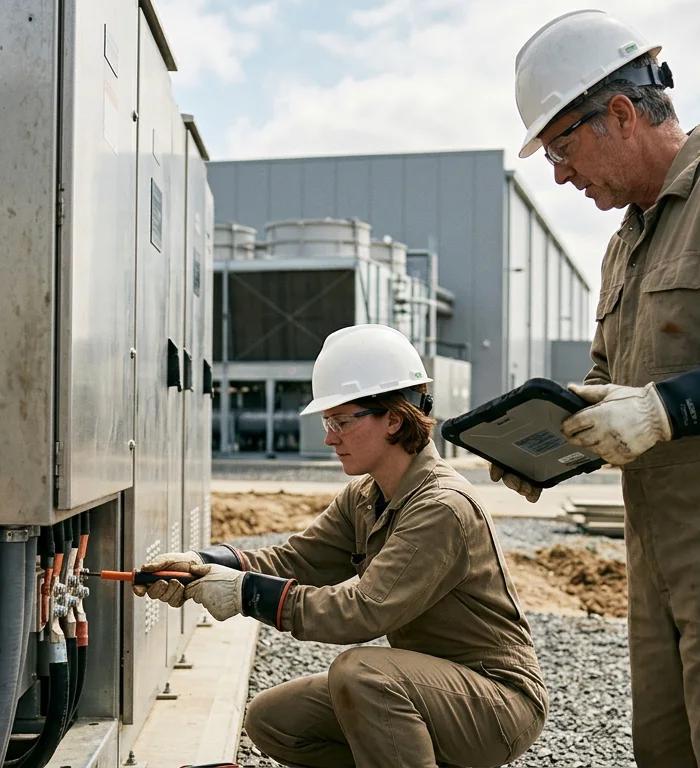
The 2026 technological landscape is defined by advancements in energy, artificial intelligence, and biotechnology that present significant shifts for institutional risk and regulatory oversight. Sodium-ion batteries are emerging as a viable, cost-effective alternative to lithium-based storage, with potential to stabilize power grids and accelerate the transition to affordable electric vehicles. Simultaneously, next-generation nuclear reactor designs, utilizing alternative fuels and cooling systems, are positioned to increase energy capacity while reducing the physical footprint of traditional power infrastructure.
Artificial intelligence continues to drive structural changes in software development and data management. Generative coding tools are increasing the speed of application deployment, though they introduce new requirements for quality control and error mitigation. Furthermore, the proliferation of hyperscale AI data centers is placing unprecedented demand on global energy and physical infrastructure, necessitating significant capital investment to support high-speed computing clusters.
Regulatory and ethical scrutiny is intensifying regarding AI integration. Mechanistic interpretability research is currently focused on demystifying large language models to address systemic limitations and security vulnerabilities. Concurrently, the rise of AI-driven personal companions has prompted legislative interest due to concerns regarding psychological impact and user safety.
Biotechnology is advancing toward personalized medical interventions, including base-edited gene therapies and sophisticated embryo screening techniques. While these developments offer potential for disease prevention, they raise complex ethical and governance questions regarding the selection of human traits. Additionally, the commercialization of space stations is transitioning from speculative tourism to a functional platform for scientific research, creating new operational environments for private and public sector collaboration.
These technologies collectively represent a shift toward higher energy consumption, increased reliance on automated decision-making, and the expansion of biological and space-based frontiers. Policymakers and financial institutions must account for the dual-use nature of these advancements, as they offer both significant productivity gains and substantial risks to existing regulatory frameworks and social stability.
More stories
- Europe faces attribution gap after 16 cyber, physical incidents
- PIF backs Grand Theft Auto as Saudi players embrace game
- Signal limits screenshots to curb AI access to messages
- Cognition runs Devin Mac workspaces on EC2 in 6 AWS regions
- Salesforce engineers cut 600-failure triage to 90 minutes
- Türkiye Desk: GTA 6 puts console access and network demand in focus
- Japan & Asia: Zelda remake tops Japan boxed sales with 537,041
- Nvidia cloud access prompts Chinese overseas rental talks
- Loadout’s $LOAD launch tests funding model for 40 games
- Robotics at Amazon tests balance between speed and safety
Latest news
- Trump prepares tariffs on China and other major exporters
- New-car buyers pay record average $50,087 in October
- Banks face ECB reserve debate over liquidity and profits
- Investors see Anthropic debut gains fade below $83 a share
- Iraq orders federal control over Kurdish-area oilfields
- Germans oppose Ukraine aid as poll shows support slipping
- Kim Jong-un receives 10 envoys after constitutional shift
- Ukraine claims Libya strike sinks Russian naval corvette