

Recent Global Tech Outages Reach 13-Year High, Officials Confirm No Coordinated Attack
Global tech outages were caused by infrastructure failures, not cyberattacks. These incidents have since prompted significant leadership changes.
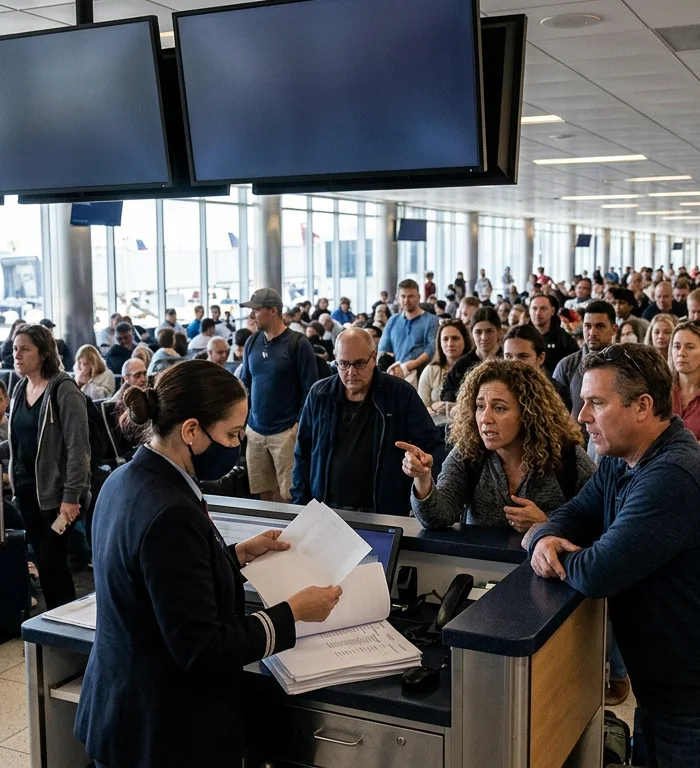
A surge in major technology outages over the past week has reached levels not seen since 2013, impacting critical infrastructure, financial services, and cloud platforms. Affected entities include Microsoft 365, the U.S. Federal Aviation Administration (FAA), United Airlines, JPMorgan Chase, Security Agency (NSA), Apple, and Marriott. While the frequency of these disruptions has prompted significant public concern, officials and industry analysts have found no evidence of a coordinated cyberattack or malicious AI-driven campaign.
Investigations into the individual incidents point to disparate technical failures rather than a singular systemic threat. Reported causes include server bugs, the failure of aging legacy equipment, software update errors, and complications arising from routine maintenance. The concentration of these events has been attributed to the reliance of diverse global services on a small, shared set of underlying cloud, identity, and payment platforms. When these foundational systems experience instability, the resulting service disruptions appear as a synchronized wave to the end user.
Federal Aviation Administration
Despite the lack of a unified threat, the political and operational fallout remains significant. The White House has removed its cybersecurity chief, Sean Cairncross, following the period of instability. Data from monitoring services indicates that user reports of service disruptions reached record highs during the week ending November 16, underscoring the increasing societal impact of technical downtime.
Experts suggest that while the current cluster of outages is not the result of a single actor, the trend highlights the fragility of modern digital infrastructure. Organizations are advised to anticipate continued volatility as legacy systems struggle to support modern operational demands. Future risk management should focus on the concentration of dependencies within critical service providers, as the failure of a single node continues to trigger widespread cascading effects across multiple sectors.
More stories
- Europe faces attribution gap after 16 cyber, physical incidents
- PIF backs Grand Theft Auto as Saudi players embrace game
- Signal limits screenshots to curb AI access to messages
- Cognition runs Devin Mac workspaces on EC2 in 6 AWS regions
- Salesforce engineers cut 600-failure triage to 90 minutes
- Türkiye Desk: GTA 6 puts console access and network demand in focus
- Riot Games Announces New Open Qualification Path for VCT 2027
- The Turkish Championship League Remains the Hub for LoL Esports
Latest news
- Trump prepares tariffs on China and other major exporters
- New-car buyers pay record average $50,087 in October
- Banks face ECB reserve debate over liquidity and profits
- Investors see Anthropic debut gains fade below $83 a share
- Iraq orders federal control over Kurdish-area oilfields
- Germans oppose Ukraine aid as poll shows support slipping
- Kim Jong-un receives 10 envoys after constitutional shift
- Ukraine claims Libya strike sinks Russian naval corvette