

AI Integration Risks Eroding Essential Physician Diagnostic Skills
Health leaders are evaluating the risk of physician deskilling as AI diagnostic capabilities improve, emphasizing the need to balance technological…
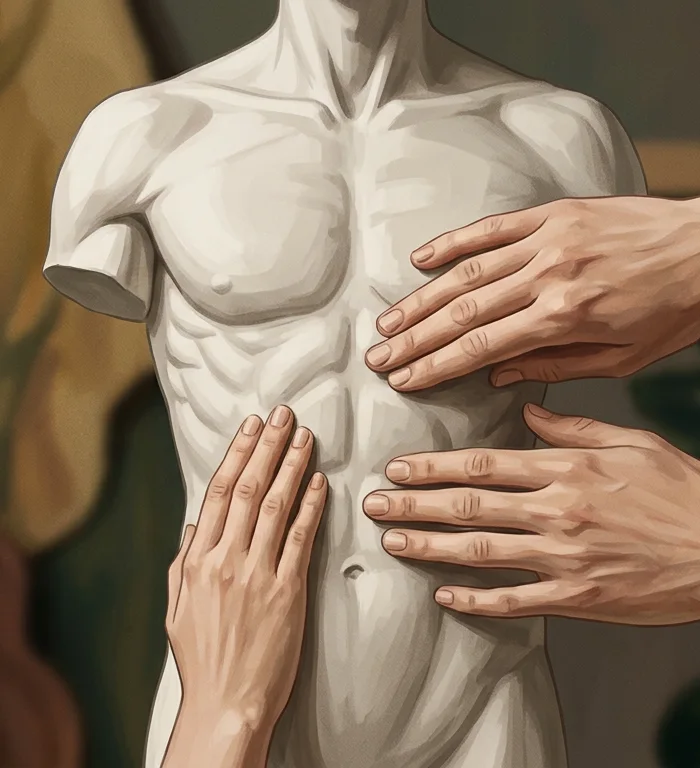
The integration of artificial intelligence into clinical workflows has prompted a debate among health system leaders regarding the potential for professional deskilling. As AI systems advance from administrative support to diagnostic assistance, there is growing concern that over-reliance on automated tools may degrade the fundamental diagnostic and decision-making capabilities of clinicians. Recent assessments indicate that advanced AI agents can now match or exceed human performance in emergency triage and complex diagnostic scenarios, intensifying the need for a re-evaluation of medical training protocols.
Institutional leaders are currently weighing the necessity of maintaining core clinical competencies against the efficiency gains provided by AI. The risk of dependency is significant; if clinicians become unable to perform critical tasks without technological support, the resilience of healthcare systems could be compromised during system outages or technical failures. Consequently, health organizations are beginning to prioritize the identification of essential human skills that must be preserved regardless of technological advancement.
Historical precedents suggest that technological shifts in medicine often trigger fears of skill erosion, as seen previously with the transition to laparoscopic and robotic surgery. While some argue that these transitions eventually render traditional methods obsolete, others maintain that the primary risk is not the replacement of physicians by AI, but rather the failure of physicians to adapt to AI-augmented workflows. The prevailing consensus among health strategy officers is that the competitive advantage in the medical field will shift toward clinicians who effectively integrate AI into their practice, rather than those who operate independently of it.
Moving forward, the challenge for medical education and hospital governance lies in balancing technological adoption with the retention of foundational clinical expertise. Policymakers and health administrators must determine which diagnostic and procedural skills remain non-negotiable for patient safety. Future strategies will likely focus on hybrid models that leverage AI for diagnostic precision while ensuring that the next generation of practitioners remains capable of managing complex cases in the absence of automated assistance.
More stories
- Europe faces attribution gap after 16 cyber, physical incidents
- PIF backs Grand Theft Auto as Saudi players embrace game
- Signal limits screenshots to curb AI access to messages
- Cognition runs Devin Mac workspaces on EC2 in 6 AWS regions
- Salesforce engineers cut 600-failure triage to 90 minutes
- Türkiye Desk: GTA 6 puts console access and network demand in focus
- Japan & Asia: Zelda remake tops Japan boxed sales with 537,041
- Nvidia cloud access prompts Chinese overseas rental talks
- The Signal: Roblox falls about two-thirds in 12 months
- The Signal: Micron warns RAM shortages may persist into 2028
Latest news
- David Parr House to honor Victorian art-workman with blue plaque
- Iran's attacks hit 25 tankers near Strait of Hormuz
- FCC approves prison cellphone jamming despite 2.5-mile warning
- Russia strikes Ukraine as Odesa faces electricity strain
- Bahrain reports two injuries after Iranian aerial attacks
- Congress tests Black Democrats' growing policy influence
- Baltic responders fight Sparta II fire after drone strike
- Dietitians advise small swaps for plant-based eating