

US Gasoline Prices Rise Amid Middle East Tensions
US gasoline prices rose to $3.25 per gallon due to Middle East tensions, pushing Brent crude above $90, prompting White House action.
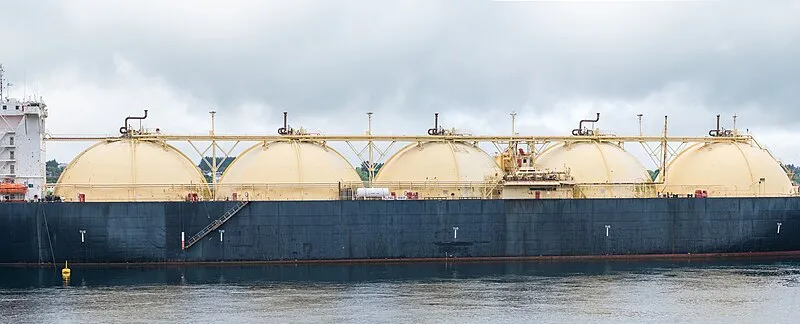
US gasoline prices have seen a significant increase, climbing by nearly 27 cents per gallon in a single week to reach an average of $3.25 as of March 3, 2026. This surge is primarily attributed to heightened concerns over potential global oil supply disruptions, particularly those linked to geopolitical tensions involving the U.S., Israel, and Iran.
The White House is reportedly evaluating various strategies to alleviate the burden of rising energy costs on American consumers. International oil markets have reacted to these developments, with Brent crude, the global benchmark, exceeding $90 per barrel.
Geopolitical instability in the Middle East, specifically Iran's activities near the Strait of Hormuz, is a key factor influencing market sentiment. This strait is a vital maritime chokepoint, through which approximately 20% of the world's oil and natural gas transits.
Global Oil Market Dynamics
Economic Impact and Thresholds
Analysis indicates that a $10 increase in oil prices could potentially result in a 0.1% reduction in Gross Domestic Product (GDP) and a 0.2% rise in inflation. This highlights the sensitivity of broader economic indicators to energy costs.
Domestic Production Response
Implications
Country Impact: The US economy faces potential inflationary pressures and a slight GDP reduction if oil prices continue to climb, prompting White House consideration of mitigation strategies for consumers.
Industry Impact: US shale oil producers could increase output if sustained high prices make it economically viable, potentially adding significant barrels per day to global supply.
Market Impact: Global oil markets, particularly Brent crude, have reacted to Middle East tensions, pushing prices above $90 per barrel and influencing US gasoline costs despite domestic production levels.
More stories
- IRGC says tanker explodes near Hormuz mine route
- Take-Two faces $30 million GTA 6 leak threat
- TG Therapeutics leads Valneva on 12 of 14 measures
- Pune police detain 92 over election-roll protest
- Tesla takes 90% of output from Arizona solar project
- New Horizon posts $4.1 million Q1 loss as R&D rises
- US Gasoline Prices Surge Amid Mideast Tensions
Latest news
- Ronaldo Ranks Third in Football's 1,000-Game Club
- Republicans Prepare Bill to Curb Trump Russia Deal
- Nollywood Star Urges Investment in Ghanaian Actor LilWin
- Marvels' Box Office Flop Still Pivotal for MCU's Future
- Hefner's Ex-Wife Defends Legacy Amid Film Controversy
- Fatal shooting incident reported in Istanbul's Bagcilar district
- Chelsea's Chavarria Impresses in 5-1 Bournemouth Victory
- Hanuman Ansh Film Earns ₹2.45 Crore on Day 65