US Blockade of Iran Ports Halts 100 Vessels
US forces have redirected 100 commercial vessels entering or departing Iranian ports during a six-week blockade.
Lauren Collins ·
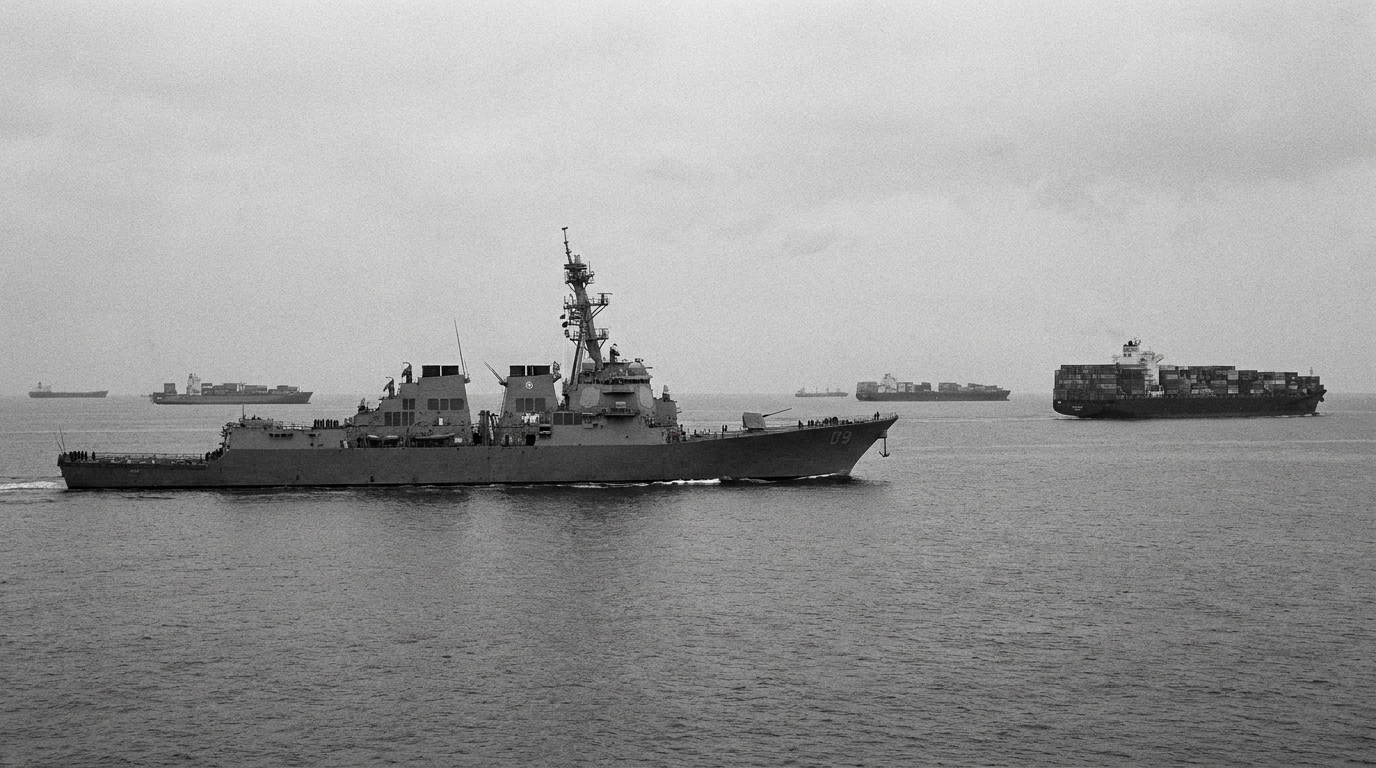
US forces have successfully redirected 100 commercial vessels as part of a six-week operation to blockade Iranian ports. The mission, initiated on April 13, aims to exert economic pressure on Iran by restricting maritime traffic. Central Command (CENTCOM) confirmed the enforcement of the blockade across all Iranian ports on the Arabian Gulf and Gulf of Oman.
Naval Operations and Economic Impact
The extensive operation involved over 200 aircraft and warships, including two carrier strike groups and multiple guided-missile destroyers, underscoring the significant resources dedicated to this naval enforcement. CENTCOM Commander Admiral Brad Cooper stated that the blockade has effectively 'squeezed Iran economically.' This strategy targets the flow of goods and revenue associated with maritime trade, seeking to curb Iran's financial capabilities.
Beyond the vessel diversions, the blockade has reportedly disabled four ships. However, it has also permitted 26 vessels carrying humanitarian aid to pass through the affected shipping lanes. This distinction highlights a potential nuance in the enforcement, aiming to mitigate humanitarian concerns while maintaining pressure.
Disruption to Vital Waterways
Commercial shipping through the critical Strait of Hormuz chokepoint, a vital artery for global oil and gas transit, has been severely impacted since the hostilities began. Pre-blockade, the waterway saw significant traffic, but recent data indicates only a handful of vessels, predominantly Iran-linked, have managed to navigate through. This disruption has ripple effects on global supply chains and energy markets.
Further complicating tracking efforts, some Iran-linked vessels may be disabling their automated identification system signals to evade detection. This practice makes real-time monitoring of maritime flows more challenging for international observers and could obscure the full extent of trade disruptions, raising concerns about illicit activities or circumvention of sanctions.
The strategic decision to blockade Iranian ports represents a significant escalation in naval operations by the US in the region. The long-term economic ramifications for Iran and potential repercussions for international trade routes remain key areas of focus. The effectiveness of this economic squeeze will likely be evaluated based on Iran's response and the broader geopolitical landscape.