Lebanon and Israel Hold New Ceasefire Talks in Washington
Lebanon and Israel are holding direct talks to extend a ceasefire amid ongoing hostilities and internal Lebanese divisions.
Lauren Collins ·
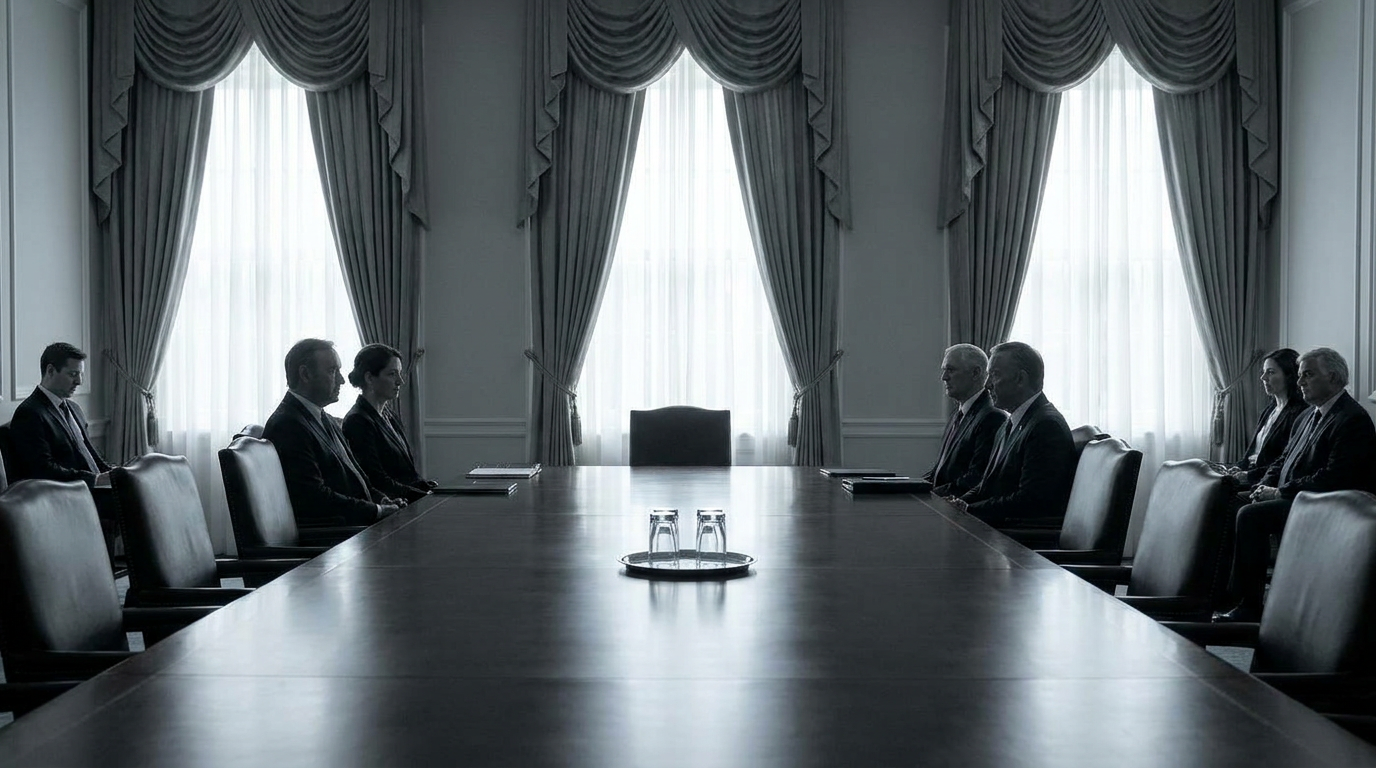
Lebanon and Israel are set to hold a third round of direct negotiations in Washington, D.C., on Thursday and Friday, May 16-17, 2026, as the sides try to preserve a fragile ceasefire due to expire on Saturday. U.S. mediators are expected to take part alongside diplomatic and military representatives from both countries. The talks follow earlier meetings on April 14 and April 23.
The renewed diplomacy comes as Israeli military operations continue in Lebanon, according to the article’s account of events surrounding the talks. Lebanon is also split internally over whether direct negotiations are the right approach, reflecting the political sensitivity of face-to-face contacts between the two countries.
The delegations are expected to include senior ambassadors and military officials, with U.S. officials facilitating the discussions. The talks are being watched closely because of the ceasefire deadline and the continued violence described in the report.
On Wednesday, May 15, eight people, including two children, were killed in Israeli drone strikes on vehicles traveling along a road linking southern Lebanon to Beirut, the article said. It also reported another nine fatalities in strikes elsewhere in the country.
Israel issued new evacuation orders on Thursday for towns in the eastern Bekaa Valley and in southern areas, according to the report. The article did not provide details on how many people were affected by the orders.
Delegations and U.S. mediation
Lebanon’s delegation is expected to be led by diplomat Simon Karam. Participants listed in the report include Lebanon’s ambassador to the United States, Nada Hamadeh Moawad, and Military Attaché General Oliver Hakme.
Israel’s team is expected to include its ambassador to Washington, Yechiel Leiter, Brigadier General Amichai Levin, and Deputy Advisor to the National Security Council Yossi Draznin, the article said. U.S. Secretary of State Marco Rubio, who attended earlier sessions, is expected to be replaced this time by adviser Michael Needham and State Department official Jay Mens, alongside U.S. ambassadors to Israel and Lebanon, Mike Huckabee and Michel Issa.
Lebanon’s internal divide and Hezbollah’s position
In Lebanon, President Joseph Aoun and Prime Minister Nawaf Salam support direct negotiations, while Hezbollah and its allies prefer indirect talks, according to the report. The article described the issue as divisive in Lebanese politics.
Hezbollah leader Naim Qassem said the group would respond to Israeli aggression and outlined goals for cooperation that include halting Israeli attacks, an Israeli troop withdrawal, and the return of Lebanese prisoners, the report said.
The ceasefire’s expiration date and the pace of reported military activity leave little time for the talks to produce an outcome. Officials have not publicly detailed what terms might be agreed, and attention will focus on whether the negotiations extend the ceasefire past Saturday.