

WETEX 2026 secures 60 sponsors as UAE green energy hub expands
Dubai hosts 3,000 global firms as regional push for renewable infrastructure funding intensifies.
Green capital signals market maturity
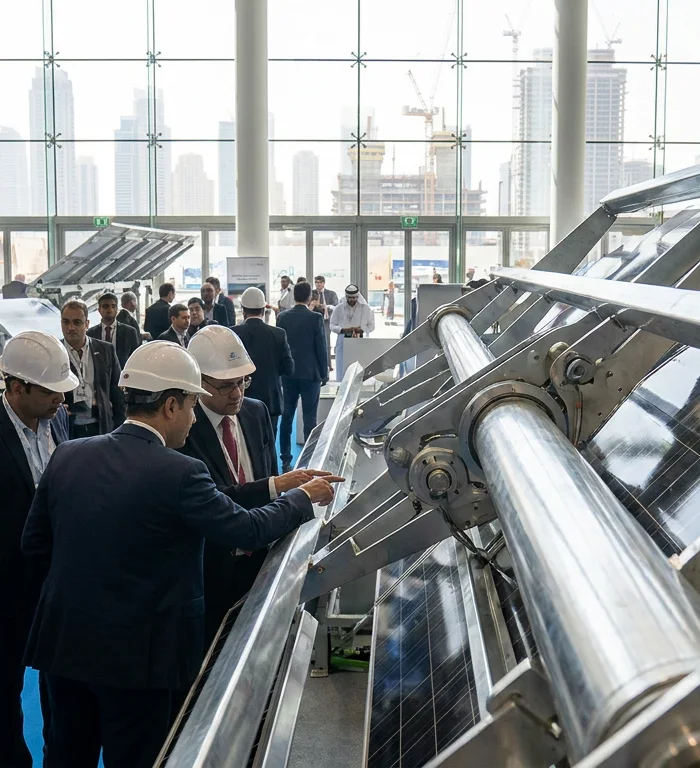
The 2026 Water, Energy, Technology, and Environment Exhibition (WETEX) in Dubai has secured 60 institutional sponsors and partners from both domestic and international markets. The event, managed by the Dubai Electricity and Water Authority (DEWA), hosts 3,000 participating companies from 60 countries, signaling sustained interest in the Gulf region's renewable energy sector.
DEWA has leveraged the forum to facilitate large-scale public-private partnerships, a core mechanism of the UAE's energy transition strategy. By positioning the exhibition as a primary conduit for sustainable infrastructure, the authority aims to bridge the gap between state-led targets and private capital deployment.
Alignment with regional decarbonization
The UAE’s 'Net Zero by 2050' initiative serves as the framework for current utility-scale solar and water project tenders. Sovereign wealth vehicles, including Mubadala and regional counterparts, have increasingly utilized these events to diversify away from traditional hydrocarbon revenue models.
Historically, GCC utility project financing has shifted from bank-led credit facilities toward structured sustainability-linked bonds and equity-based partnerships. This evolution reflects a broader trend of integrating fiscal policy with long-term climate commitments across the region.
Strategic importance for green finance
The concentration of international pavilions and institutional investors at this year's summit highlights Dubai's role as a regional hub for climate-related trade. Successful project maturation here often sets the benchmark for financing costs in other emerging markets across the Middle East and Africa.
Environment Exhibition
The global spillover effect of these commitments remains tied to shipping and energy logistics in the Strait of Hormuz. As renewable capacity grows, the ability to secure stable project funding directly influences the region's long-term export energy profile.
Commitment conversion as the key metric
The primary uncertainty remains whether this high level of exhibit-floor engagement will materialize into binding fiscal commitments by the end of 2026. Observers are watching for the announcement of major joint-venture renewable projects or new sustainability-linked sukuk issuances as indicators of concrete capital inflow.
More stories
- KAYAK puts Rovaniemi Christmas hotel rates down 22%
- Malaysia TVET entrants rise 30% in high-skills push
- Thai police arrest 39 in Cambodia-linked laundering probe
- Fire in Limoges leaves heritage loss and service disruption
- Uganda rice project lifts yields to 25 bags an acre
- Senegal faces end-November ruling in AFCON title appeal
- Iran targets Starlink with jail terms of up to 5 years
- Iran changes Hormuz attack tactics, senior officials say