

Canada Slaps New Tariffs as Trade Tensions With U.S. Boil Over
Canada has introduced new tariffs on US goods, retaliating after the US imposed 50% duties on $20 billion in Canadian products.
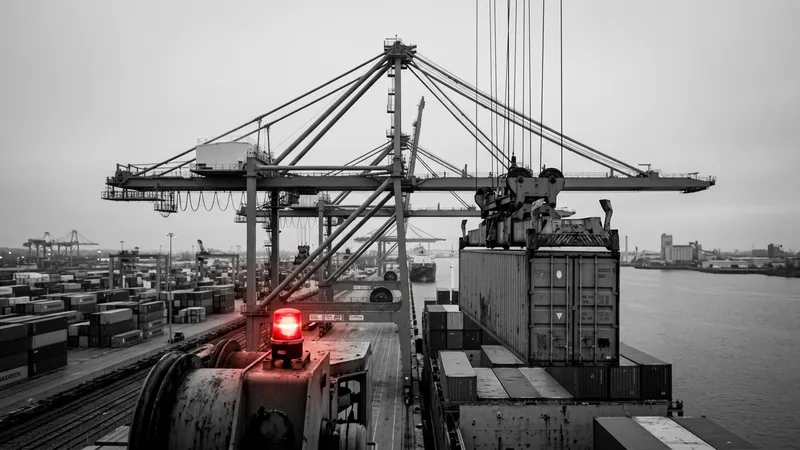
Canada has initiated the imposition of new tariffs on various goods imported from the United States, marking a direct retaliatory action following the collapse of recent bilateral trade negotiations. This move by Ottawa comes in response to Washington's decision to implement 50% import duties on an estimated $20 billion worth of Canadian products, which took effect last Saturday.
Officials in Canada have characterized the ongoing economic confrontation as a significant threat to the nation's independence and autonomy.
The intensity of the dispute has grown amid persistent disagreements. Key points of contention include Canadian cultural safeguards, particularly language requirements within Quebec, and specific demands from the United States concerning its automotive and metals industries. Prime Minister Mark Carney has adopted a firm stance on the matter, framing the trade conflict as a broader struggle for national sovereignty against perceived US economic influence.
Escalation and Policy Shift
The Canadian administration's decision to implement dollar-for-dollar retaliatory measures signals a more resolute policy approach. This marks a departure from earlier efforts focused on achieving a negotiated resolution to the trade disagreements.
The breakdown in discussions represents a notable decline in relations between the two countries, potentially introducing complexities into established regional supply chains and long-standing security cooperation frameworks that have historically defined their partnership.
Historically, trade relations between Canada and the United States have been characterized by their robustness, featuring extensive cross-border commerce and highly integrated supply chains, particularly within critical sectors such as automotive manufacturing and energy production. Agreements like the North American Free Trade Agreement (NAFTA) and its successor, the United States-Mexico-Canada Agreement (USMCA), were designed to regulate and facilitate this deep economic integration.
Despite this, periodic disputes over specific industries or the introduction of protectionist measures have occasionally emerged, testing the enduring diplomatic framework.
Broader Economic and Geopolitical Implications
Canada's recent shift in diplomatic strategy indicates a clear prioritization of safeguarding its domestic industrial and cultural interests. This approach suggests a move away from simply maintaining the previous state of economic interconnectedness.
The current trade friction adds another layer of complexity to the broader economic landscape across North America, particularly at a time when global supply chains continue to experience challenges and reconfigurations due to various international pressures.
The ongoing trade disagreements carry implications beyond the immediate impact of tariffs. They are expected to influence future investment decisions and collaborative initiatives between the two nations, impacting long-term economic planning.
Businesses operating across the Canada-US border are now facing increased uncertainty regarding trade costs and regulatory environments. This necessitates adjustments to their operational strategies to mitigate potential disruptions.
Both nations are anticipated to closely monitor the economic fallout and assess any potential for renewed dialogue in the coming weeks and months.
More stories
- New Horizon posts $4.1 million Q1 loss as R&D rises
- French Borrowing Costs Hit 5% as Debt Crisis Deepens
- Grabar probes shareholder claims at four Nasdaq companies
- Byrna revenue drops 46% as sales reset deepens
- PepsiCo cuts 2026 EPS outlook to 2.5%-3.5% growth
- Mortgage rates squeeze US consumers as sentiment weakens
- China Mandates Immediate Safety Redesign for Electric Vehicle Door Handles
- DeepSeek Aims for $74 Billion Valuation Before 2027 IPO
- Jackson Hole 2026 Confronts a New Monetary Order
- US Treasury Expands Bond Buybacks to Mute Yields
Latest news
- Kyiv playground blast puts Ukraine air-defense stocks back on Washington’s agenda
- Rubio’s Athens speech hardens Washington’s public line on Iran
- Saudi airport hit in new Houthi attack, officials say
- Houthis claim Riyadh airport strike as injuries reported
- Germany Reaffirms Russia Sanctions Amid Potential US Policy Shift
- China beats Thailand 2-0 to reach junior badminton final
- Russia and China Block US Push for Nationwide Sudan Arms Embargo