Watchdog Report Details Misconduct by Former Labor Secretary
A federal watchdog report details allegations of misconduct and ethical breaches by former US Labor Secretary Lori Chavez-DeRemer, who resigned in 2026.
Atlas Newsdesk ·
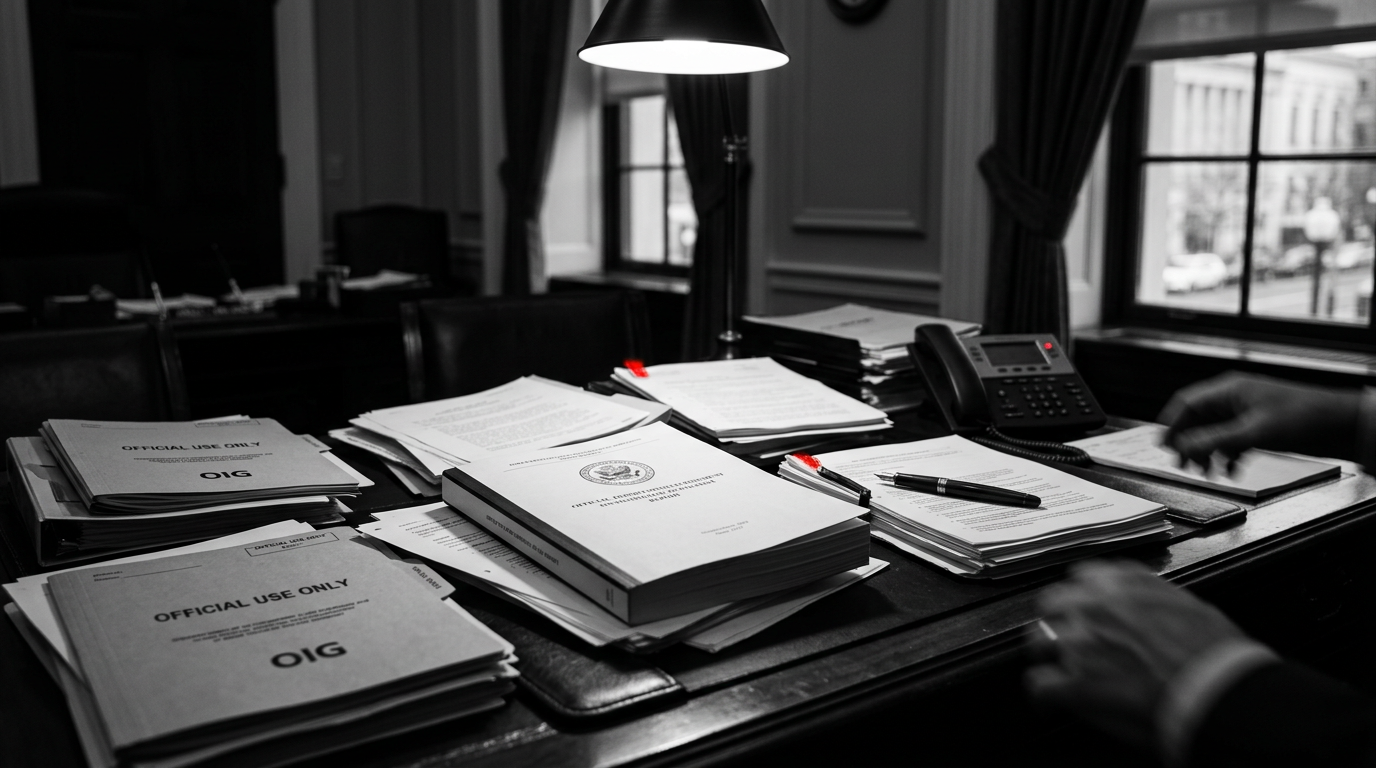
A federal watchdog report published Thursday by the Department of Labor's Office of Inspector General has detailed allegations of systemic misconduct and ethical violations involving former US Labor Secretary Lori Chavez-DeRemer. The 44-page document outlines a pattern of behavior that investigators concluded fostered a hostile work environment and involved the misuse of government resources during her tenure.
The investigation, which informed the report, involved 53 interviews and a review of 500 internal records. Chavez-DeRemer's time in office, which concluded with her resignation on April 20, 2026, was marked by significant concerns regarding her conduct and management style. This report aligns with a period of notable staff changes, as she became the third cabinet secretary to depart the second Trump administration.
Workplace Environment and Resource Misuse
The report dedicates a significant section to the workplace culture within the secretary's office. According to findings, 38 employees described the environment as toxic and intimidating. These individuals reported instances of verbal abuse and demeaning behavior originating from senior staff members, contributing to an atmosphere many found highly uncomfortable.
Beyond the cultural issues, the investigation also uncovered specific instances of resource misuse. It stated that Chavez-DeRemer instructed subordinates to carry out personal errands, including organizing her private residence and acquiring personal items. Furthermore, the report documented unauthorized alcohol consumption within the office during official duty hours, raising questions about compliance with federal workplace policies and standards.
Ethical Concerns and Conflicts of Interest
Findings from the watchdog also brought to light an inappropriately close relationship between Chavez-DeRemer and a senior agent assigned to her protective detail. While the report did not confirm a sexual relationship, it extensively documented potential conflicts of interest stemming from this dynamic. These conflicts included the protective agent assuming sole responsibility for the secretary's security and facilitating unrecorded personal trips.
Such arrangements can blur professional boundaries, introduce security risks, and potentially undermine the impartiality expected of federal protective services. The detailed accounts within the report emphasize the critical importance of maintaining strict ethical guidelines for high-ranking government officials and their staff to uphold public trust and operational integrity.
Broader Context of Cabinet Departures
The release of this report on Chavez-DeRemer's conduct comes amid broader scrutiny of cabinet appointments and departures within the current administration. Her resignation as Labor Secretary made her the third cabinet member to leave their post in the second Trump administration. Such high-level turnover can sometimes indicate internal challenges or shifts in administrative priorities, although specific reasons often vary by individual case.
The report, detailing specific allegations of misconduct, adds a distinct dimension to the reasons behind her departure, moving beyond typical political shifts to focus on ethical conduct and management practices within a federal department.