
Prime Minister Omits Campaign Donation Cap from Bill
The Prime Minister has decided against including a £500,000 cap on individual political donations in the upcoming elections bill, sparking criticism and…
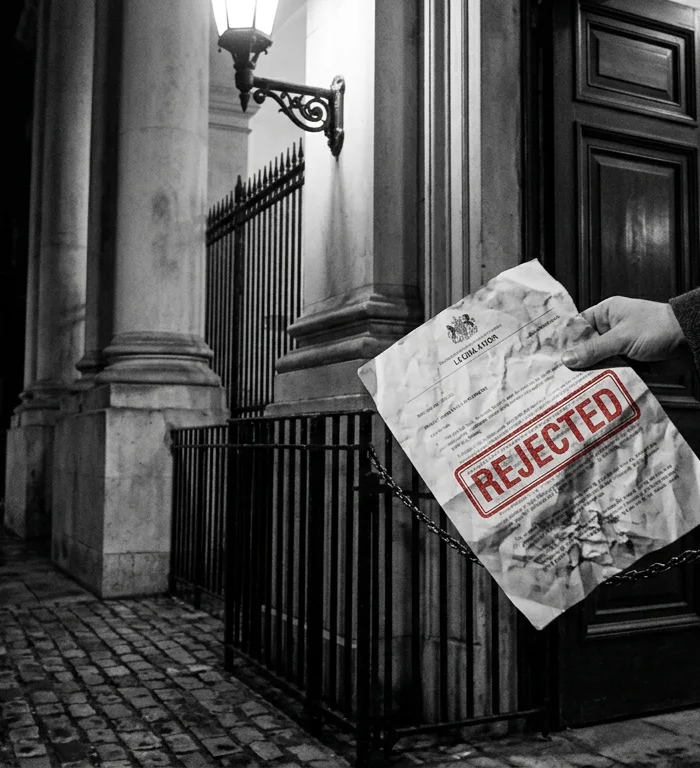
The Prime Minister has chosen not to incorporate a proposed £500,000 limit on individual political contributions into the forthcoming elections bill. This decision marks a departure from earlier indications that the Prime Minister supported such a cap, which was intended to mitigate potential undue influence from substantial financial donors. The omission has led campaigners and some members of the ruling party to characterize the move as a policy reversal.
The current legislative proposal focuses on other electoral reforms, including a reduction in the voting age and stricter measures against foreign donations. However, it notably excludes any restrictions on domestic financial contributions to political campaigns. The government has stated its immediate legislative agenda prioritizes existing manifesto commitments.
Government's Legislative Focus
Officials have suggested that this approach positions broader campaign finance reforms, such as domestic donation caps, lower on the list of current priorities. While the administration has not entirely dismissed the possibility of future reforms, it has clarified that these are not part of the present legislative push. This stance sets the stage for anticipated parliamentary discussions and potential amendments next week.
Trade unions have also expressed concerns regarding potential domestic donation caps. They fear that such limitations could negatively impact the financial contributions they provide to political parties, including the governing party. This perspective adds another layer of complexity to the ongoing discourse surrounding campaign finance. The balance between funding political activity and preventing corruption is a recurring theme in democratic systems.
Anticipated Parliamentary Debate
The elections bill is scheduled for parliamentary debate in the coming week. During these discussions, various amendments are expected, including proposals to reintroduce the previously considered donation limits. The government's current refusal to endorse these specific measures creates a potential point of friction with reform-oriented factions within the legislature.
Debates surrounding the regulation of political donations are a consistent feature in democracies, reflecting continuous efforts to ensure fairness and prevent perceived corruption. Historically, many nations have grappled with establishing appropriate mechanisms to guarantee transparency and equity in electoral financing. This latest development underscores the persistent tension between the financial requirements of political campaigns and public demands for greater accountability in governmental processes.
Watchdogs, political analysts, and the public will closely monitor the Prime Minister's decision and the ensuing parliamentary discussions. These developments could significantly shape future electoral landscapes and public trust in political processes. The outcome of the upcoming legislative session will determine the immediate trajectory of campaign finance reform in the country.
More stories
- EU Nations Demand New Veto Power to Block Regulatory Overreach
- Global Coalition Pledges to Triple Nuclear Energy Capacity by 2050
- Prime Minister Releases Secret Manchester City Meeting Records
- Climate and AI Risks Drive Litigation, Reshaping Corporate Liability
- Net Zero Cost Projections Inflated by Nearly Half a Trillion Pounds
- Trump Administration Actions Lower Fuel Prices, Raise Long-Term Economic Risks
- Twickenham Expansion Stalls as Residents Battle Noise and Traffic Concerns
- Texas Releases Ex-Death Row Inmate After DNA Evidence Clears Him
Latest news
- Okocha Backs Mbappe for Ballon d'Or, Names UCL Favorites
- Osimhen, Lookman Face Tough UCL Tests Against Barcelona, United
- Russian diesel relief opens 1.8 million-ton supply path
- Grammy Awards 2027 First-Round Voting Opens October 12
- Yu Yangyi Wins Shenzhen Masters After Tiebreak Victory
- Katey Sagal, 72, Marks 40 Years of Sobriety
- Tom Cruise's 'Digger' Faces $245 Million Box Office Loss
- Barcelona Prepares for Osimhen Threat in Champions League Match