Twickenham Expansion Stalls as Residents Battle Noise and Traffic Concerns
RFU's plan to boost non-sporting events at Twickenham Stadium faces strong local opposition, citing concerns over disruption and infrastructure strain.
Atlas Newsdesk ·
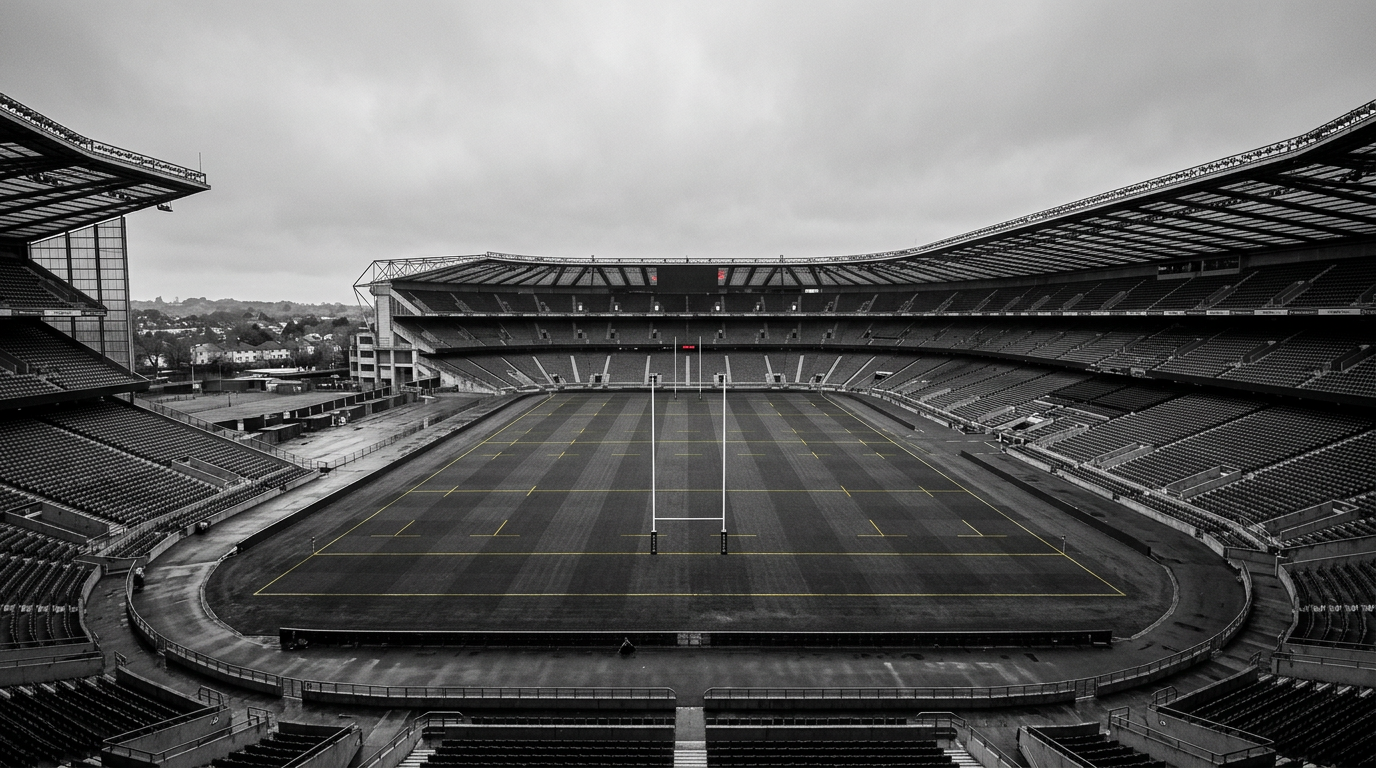
The Rugby Football Union (RFU) is encountering considerable local and regulatory resistance to its proposal for increasing non-sporting events at Twickenham Stadium. Local councillors have formally requested a delay in planning permission, seeking legally binding and fully funded commitments from the RFU to address potential infrastructure strain and resident disruption.
The application seeks to raise the yearly limit for non-sporting event days to 15 and expand the stadium's capacity to 75,000 for these specific occasions.
This initiative is a critical element of the RFU's strategy to generate essential revenue. The organization indicates this revenue is necessary to fund a projected £660 million stadium redevelopment and broader investments across the sport of rugby. Residents of the local community have voiced substantial opposition, evidenced by over 450 negative comments submitted and a petition that has gathered 4,000 signatures.
Community Concerns and Economic Drivers
Primary concerns among residents focus on potential increases in traffic congestion, noise pollution, and antisocial behavior, which they anticipate would result from a higher frequency of large-scale events. Despite the RFU's arguments highlighting economic advantages for the region, local officials contend that the current proposal lacks adequate guarantees for effective management of community impact.
Twickenham Stadium, a long-standing center for English rugby, presently hosts major sporting fixtures alongside a limited number of concerts.
The proposed expansion represents a strategic shift by the RFU to diversify income streams beyond traditional rugby events. This is a common strategy for major sports venues globally, aiming to enhance profitability and secure future funding for infrastructure and development projects. Such approaches frequently lead to conflicts with local communities concerned about their quality of life and the impact on daily routines.
Financial Strategy and Future Outlook
The RFU has publicly stated that the long-term viability of Twickenham Stadium in its current location depends on this increased revenue generation. They have suggested that a denial of the expansion could prompt the organization to consider alternative sites for the stadium, underlining the financial pressures on sports bodies to optimize their assets. The substantial investment required for the stadium's overhaul highlights a widespread challenge faced by sports organizations globally.
A final decision from the local planning committee regarding the application is expected in October. This decision will follow an extensive period of public and regulatory review, focusing on the stadium's operational capacity and its integration within the surrounding residential area.
The outcome will not only determine Twickenham's future event schedule but could also establish a significant precedent for similar stadium expansion projects encountering community resistance across the United Kingdom and potentially beyond.