Vistra's 53% Annual Return Tests Power Scarcity Thesis
The merchant power generator's massive five-year outperformance highlights a market bet on sustained electricity demand and price volatility, challenging…
Jurgen Goldmeier ·
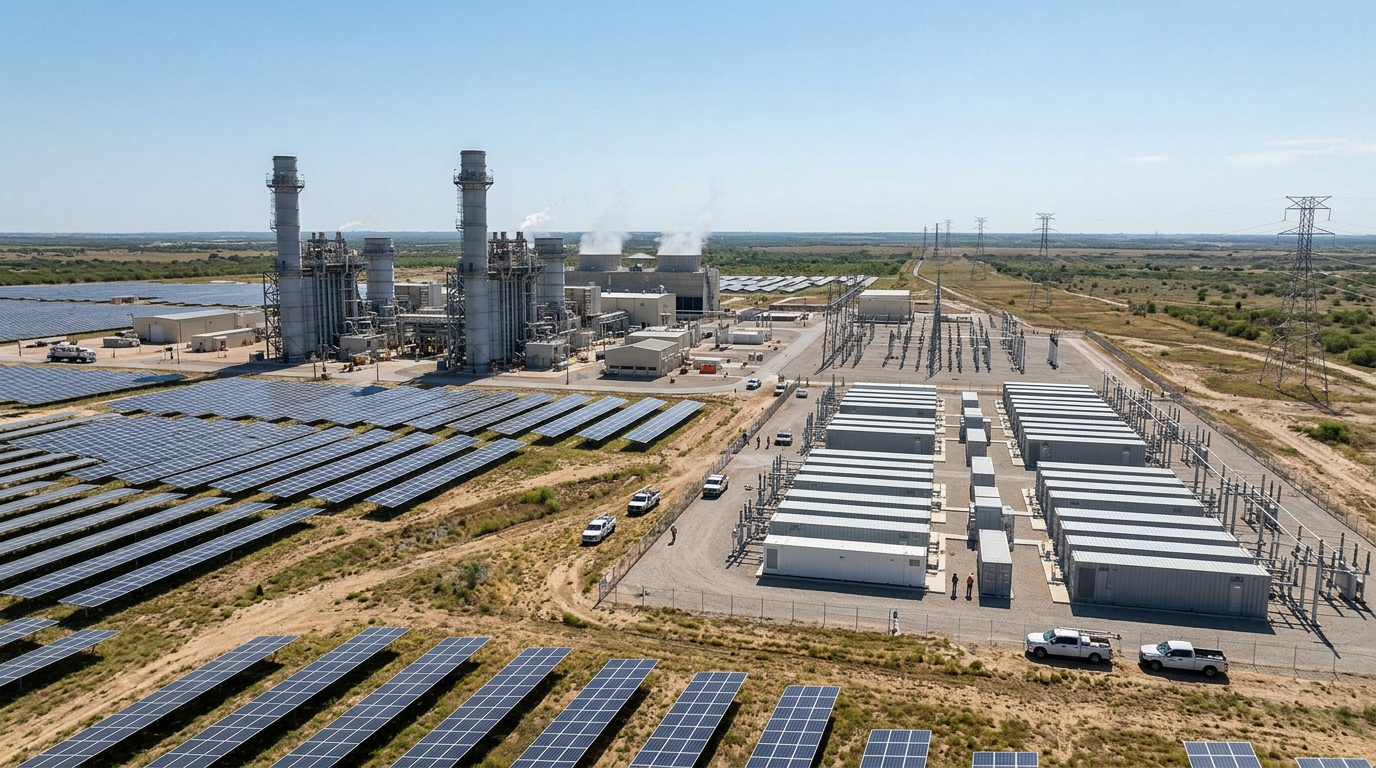
Vistra's 53% Annual Return Tests Power Scarcity Thesis A 52.57% average annual return over the past five years has turned a hypothetical $1,000 investment in Vistra (VST) into more than $8,000, according to a recent analysis. The merchant power generator’s performance, outstripping the broader market by over 40 percentage points annually, puts a spotlight on the market’s aggressive pricing of sustained power demand and electricity price volatility. Vistra currently carries a market capitalization of $46.62 billion. ## Background Vistra operates as an independent power producer and retailer, a distinct model from traditional regulated utilities. The company generates electricity from a diverse fleet—including natural gas, nuclear, solar, and battery storage—and sells it into competitive wholesale markets, with a heavy concentration in Texas (ERCOT). Its shares have more than doubled in 2024 alone, a move that has left the broader Utilities Select Sector SPDR Fund (XLU) far behind. This performance reflects a market re-rating of assets that can capture upside from price swings. Investors have piled into the name on a simple thesis: demand for electricity is set to accelerate from data center proliferation and broader electrification, while supply additions remain constrained. This is expected to tighten reserve margins and increase the frequency of high-price events. The market's focus has been on Vistra's ability to convert this dynamic into cash. Unlike regulated peers whose returns are capped by regulators, Vistra’s EPS (Earnings Per Share) , a measure of its profit per share, has a direct, leveraged exposure to power prices. Its current stock multiple , or its price relative to earnings, reflects high expectations for future growth, a departure from the sector's historical reputation for stable, single-digit returns. ## Why it matters The sustained rally in Vistra challenges investors who view the power sector through a traditional defensive lens. It is a direct bet on structural scarcity. The read-through impacts the entire energy infrastructure space, rewarding asset owners over developers and vertically integrated players over pure-play retailers. The trade has become a key proxy for the second-order effects of the AI build-out, where power availability is emerging as a primary bottleneck. On the wrong side of this move are traders positioned for a normalization of power prices or a slowdown in electricity demand growth. If the AI-driven load forecasts prove too optimistic or if significant new generation comes online faster than expected, Vistra’s earnings leverage would work in reverse. The company’s performance has also drawn in significant momentum-based capital, putting it at risk of a sharp correction if management’s forward-looking guidance —its forecast for business performance—disappoints the new, higher expectations. ## What to watch The next major catalyst is Vistra’s second-quarter earnings report, anticipated around August 7. The market will scrutinize updated full-year guidance for metrics like adjusted EBITDA and free cash flow. Any commentary clarifying the real-world impact of data center demand on power prices in Texas this summer will be critical. The pace of the company's share repurchase program will also serve as a key signal of management’s confidence in the durability of its cash flow.