Gaza music clash gives Washington little policy signal before Hill fight
Paloma Faith, Ed Sheeran, and Macklemore’s Gaza activism has reignited culture debates. Will this pressure influence Washington’s policy and diplomacy?
Lauren Collins ·
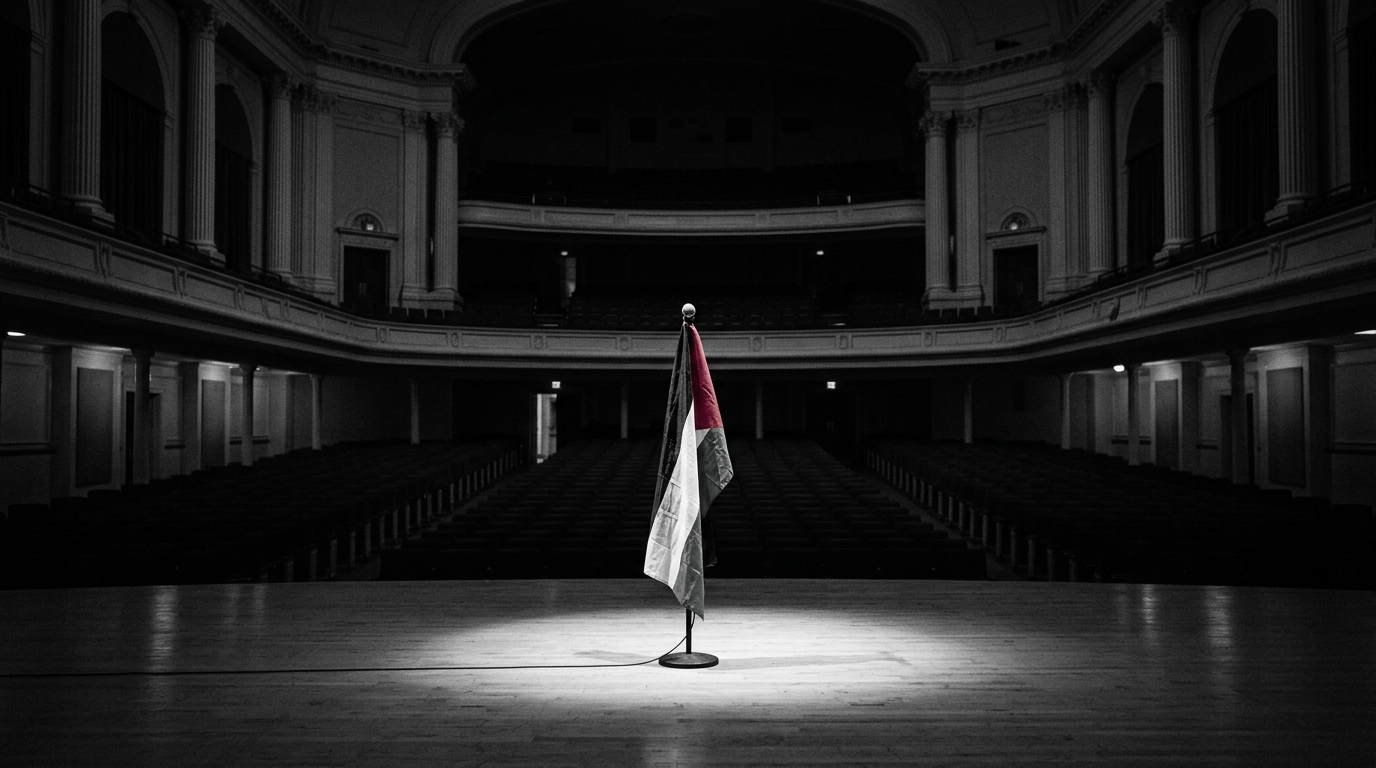
Gaza music clash gives Washington little policy signal before Hill fight
Washington has not shifted its public Israel-Gaza posture after a reported clash between Paloma Faith and Ed Sheeran over Gaza activism, but the episode has put celebrity pressure back into a debate the White House already treats as politically exposed.
Paloma Faith
Faith criticized Sheeran for staying outside the Gaza debate after Macklemore’s reported removal from a tour lineup, according to the source report. The policy question in Washington is narrower than the cultural argument: whether high-profile moral pressure changes what the White House, State Department or Congress says and does.
The Gaza war has remained one of President Trump’s most sensitive foreign-policy files because it sits at the intersection of alliance management, humanitarian law, domestic protest politics and congressional oversight. Washington’s public line typically has to hold several positions at once: support for Israel’s security, concern over civilian harm, pressure over humanitarian access and resistance to steps that could widen the conflict.
Celebrity activism matters in that environment only when it moves from cultural signaling into political incentives. The White House and State Department monitor public opinion, press narratives and allied reactions, but officials generally change policy through security assessments, diplomatic negotiations, legal reviews and pressure from Congress, not through entertainment-industry disputes alone.
Congress is the more plausible channel for cultural pressure. Members facing primary challenges, campus protests, donor pressure or advocacy campaigns may use celebrity comments as evidence of a wider public mood. That can shape hearing questions, floor speeches, letters to the administration and attempts to condition or defend security assistance.
Faith’s criticism of Sheeran fits a broader split among public figures over whether artists should take explicit positions on Gaza. Supporters of such interventions frame them as a response to civilian suffering and blocked aid. Critics often argue that simplified slogans can erase Israeli security concerns, Jewish vulnerability or the role of Hamas in the conflict.
For Washington, that distinction matters. Officials can absorb calls for humanitarian access or a ceasefire more easily than rhetoric they view as undermining hostage diplomacy, Israel’s security or US leverage with regional partners. The administration’s public diplomacy task is to separate humanitarian concern from positions it believes would weaken its negotiating stance.
The falsifiable test is whether senior White House, State Department or congressional figures explicitly acknowledge celebrity activism as part of the Gaza policy environment by December 18, 2026. The signal is stronger if that language appears alongside humanitarian-access messaging, aid votes, oversight hearings or public-opinion data; it is weaker if officials continue to discuss Gaza through security, diplomacy and legal channels without reference to cultural pressure.