Vance heads to Pakistan for Iran ceasefire talks
Vance heads to Islamabad by Tuesday for Iran talks as a ceasefire nears expiry and Trump signals possible strikes if no deal emerges.
Lauren Collins ·
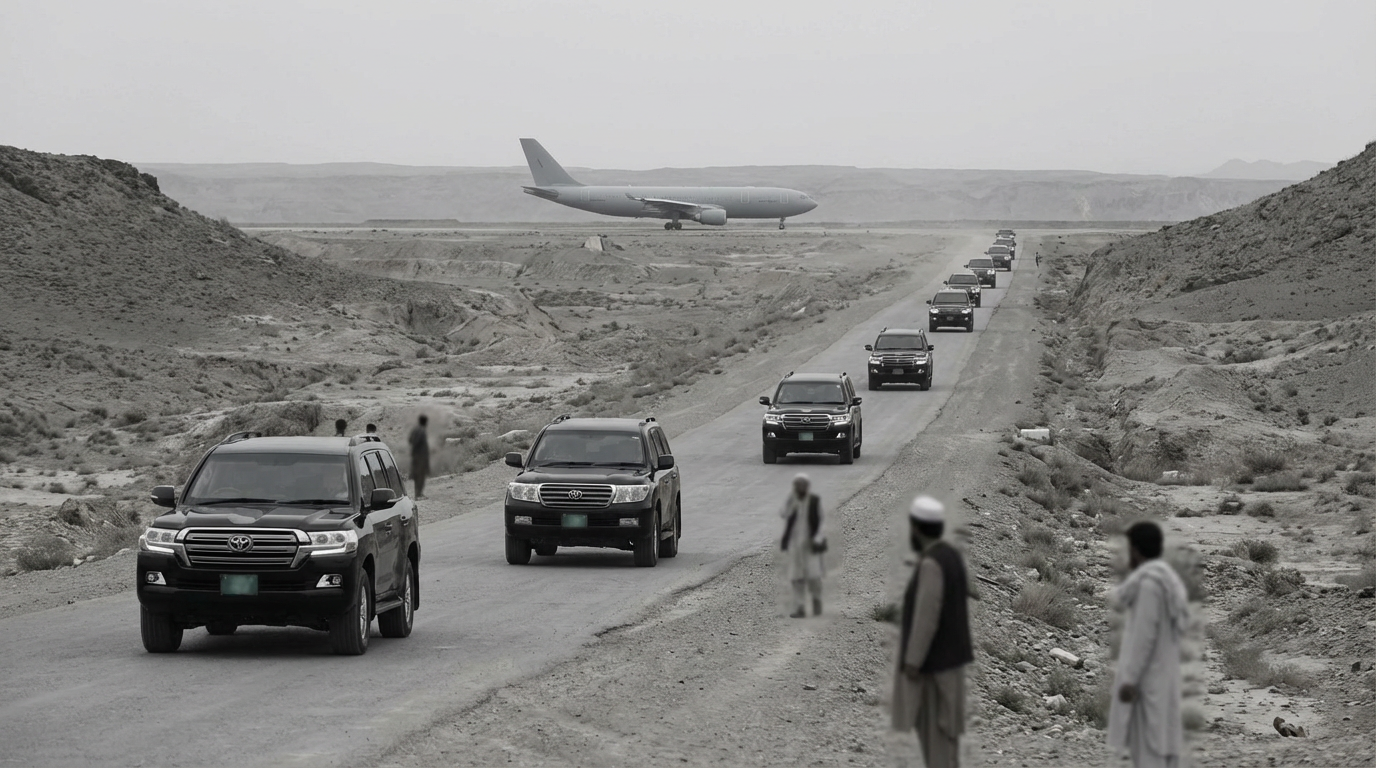
U.S. Vice President Vance is set to arrive in Islamabad, Pakistan, by Tuesday morning to meet Iranian officials as Washington pursues a possible agreement aimed at ending the ongoing conflict. The trip comes as a ceasefire nears the end of its current term, raising pressure on all sides to decide whether talks can produce enough progress to prevent a return to open hostilities.
The diplomatic push is unfolding alongside a warning previously issued by U.S. President Trump , who said he was prepared to begin a new bombing campaign against Iranian infrastructure if no resolution is reached. Against that backdrop, the White House spent Monday waiting for Tehran to confirm whether it would send a negotiating team to Islamabad, according to officials familiar with the process.
Iranian participation was reportedly slowed by internal dynamics, with officials said to be facing pressure from the Revolutionary Guards. Those urging a tougher approach were described as insisting that the U.S. blockade must end before negotiations proceed. The delay added uncertainty to the timetable, given the proximity of the ceasefire’s expiration and the limited window for face-to-face discussions.
Mediators from Pakistan, Egypt, and Turkey pressed Iran to take part, according to the account provided. Iranian officials ultimately moved forward after the Iranian Supreme Leader approved the delegation’s travel on Monday night, clearing the way for the Islamabad meetings to go ahead as planned.
Vance is expected to travel with a U.S. delegation that includes Steve Witkoff and Jared Kushner . Officials indicated that reaching a broad, comprehensive deal on a compressed schedule would be difficult, even with direct engagement. Still, the White House signaled room for continued diplomacy after Trump extended the original two-week ceasefire deadline by one day, a step presented as an indication that negotiations could be prolonged if tangible progress is visible.
For markets and governments watching the talks, the immediate focus is whether the ceasefire can be sustained long enough to keep negotiations alive. The key unknown remains the scope of any potential agreement and whether the parties can bridge demands tied to the U.S. blockade and wider security conditions before the ceasefire window closes.