US widens Strait of Hormuz strikes after tanker hits Tuesday
President Trump ordered another U.S. attack on Iran after tanker strikes and mine threats sharpened the fight over the Strait of Hormuz.
Lauren Collins ·
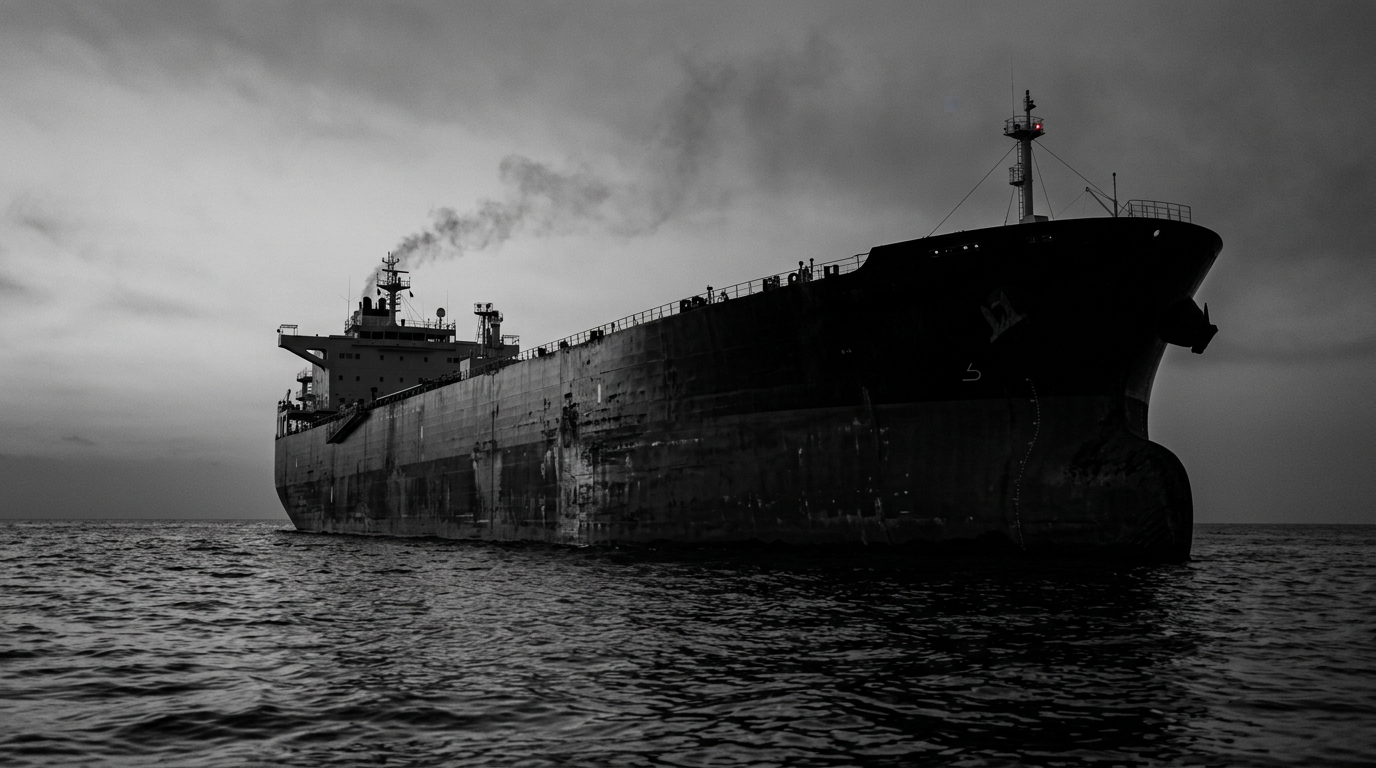
President Trump ordered another U.S. attack on Iran Tuesday after two tankers were struck near the Strait of Hormuz oil route.
Trump cites mines and troops
Trump said the operation answered Iranian efforts to place mines in the waterway and attacks aimed at American servicemembers in the Middle East. In a social media post, he warned Tehran that any response would bring a harder U.S. attack.
U.S. Central Command did not identify the sites hit in Tuesday's operation. The command said U.S. forces had acted Sunday against launchers on Larak Island that it said were being readied to send mine-carrying rockets toward the strait; Iran then fired missiles at U.S. bases.
Traffic lanes reopen under fire
The military confrontation has centered on the Traffic Separation Scheme, the main shipping channels used by commercial vessels moving through the strait. Adm. Brad Cooper, the Centcom commander, said last week that U.S. forces had cleared sea mines from those lanes, adding, "International shipping lanes are open, and momentum is building."
Retired Navy Vice Adm. Kevin Donegan, who previously commanded U.S. naval forces in the region, said the clearing operation altered the message to shippers and to Tehran. "The world knows that the U.S. can clear the strait," Donegan said.
Donegan said that did not mean normal trade would immediately resume, but it showed the route could be used once fighting subsides. He attributed Iran's campaign to an attempt to restrict oil shipments from the Persian Gulf after the mine-clearing effort reduced that leverage.
Iran has continued to fire on vessels coordinating with the U.S. military as they enter and leave the Persian Gulf, according to U.S. officials. U.K. Maritime Trade Operations reported that several ships had been struck by projectiles in recent days, adding another risk for operators already weighing whether escorted passages are worth the exposure.
Two tankers hit off Oman
The Tuesday strikes followed attacks on two tankers carrying Saudi oil within minutes of each other during a nighttime transit, maritime-security firms said. Vanguard said a Liberian-flagged tanker was hit by three rockets off Oman, while Marisks said a Saudi-flagged vessel was hit eight minutes earlier.
Both tankers were moving through the southern part of the strait on a corridor the U.S. has used to help commercial ships enter and exit the Gulf. Iran began attacking ships on that route weeks after signing a preliminary mid-June agreement with the U.S. to reopen the strait.
Marisks said the close timing of the two tanker attacks showed that the corridor could not be treated as a low-risk passage. "The near-simultaneous incidents represent a further escalation in the threat environment within the Omani corridor," the firm said.
Congress hears escalation plan
Cooper briefed some members of the House Armed Services Committee on Tuesday morning, according to Rep. Mike Rogers, the Alabama Republican who chairs the panel. "They've got a plan," Rogers said after the briefing, adding that "I would anticipate" an intensification.
Centcom said more than 50,000 American servicemembers remain in the Middle East to enforce a blockade of Iranian ports and help guide commercial vessels through the strait. Trump said Monday at the White House, "We have the Strait of Hormuz in extremely good shape," adding that oil was still moving.
The current U.S. posture follows weeks in which officials held back from repeated reprisals as Iranian attacks tested the cost of responding shot for shot. One concern inside such a strategy is operational arithmetic: every interception and strike consumes weapons, aircraft time and planning capacity that commanders may need if the campaign lengthens.
Pressure campaign tests limits
If U.S. mine-clearing continues to hold, controlled crossings could preserve part of the oil flow from the Gulf while keeping economic pressure on Tehran. Under that scenario, the global oil market avoids one source of supply strain, U.S. commanders retain blockade leverage, and maritime insurers may still charge for a route that remains exposed to rockets and mines.
If Iran instead keeps hitting escorted vessels, the mechanism works in the other direction: shipowners may delay crossings, U.S. forces would spend more interceptor and aircraft capacity, and Persian Gulf exporters could face slower sailings even with lanes technically open. The central open question is whether Tuesday's strikes change Tehran's conduct or deepen a conflict that Trump says remains under U.S. control.