US Weighs Sending 10,000 More Troops to Middle East
US officials are reviewing a plan to add up to 10,000 troops to the Middle East as tensions with Iran persist; no decision announced.
Cuneyd Erdogan ·
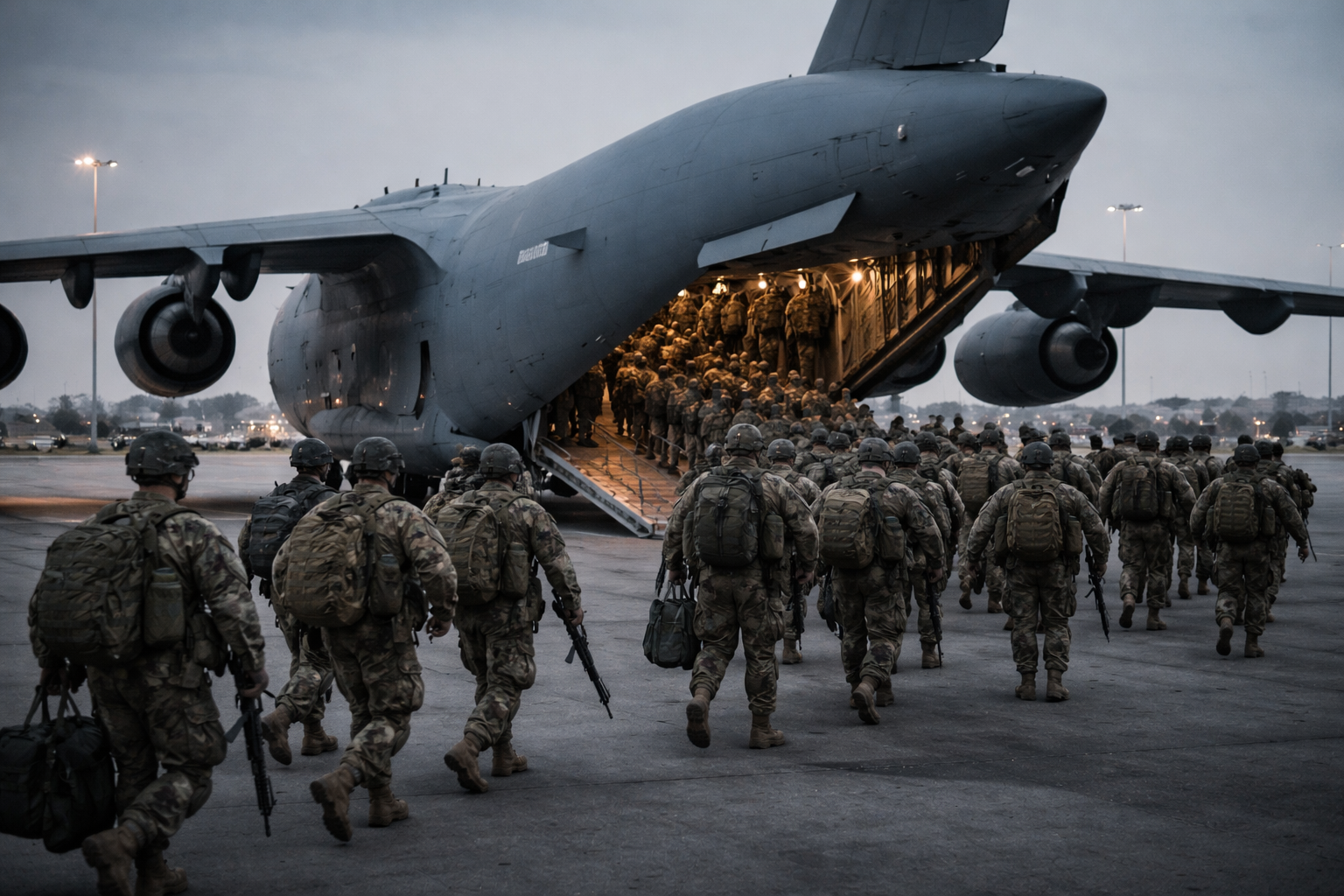
US defense officials are reviewing contingency options that could add as many as 10,000 more American ground troops to the Middle East. The planning is being assessed as Washington faces ongoing friction with Iran, and it is not described as a final decision.
The proposal is framed as a way to widen President Donald Trump’s menu of military choices, based on statements attributed to Department of Defense sources familiar with the work. A spokesperson for US Central Command, which oversees US operations in the region, declined to comment on the potential deployment.
What is being considered
A White House official said any public notice about troop movements would come from the Department of Defense, while also stating that the president retains all military options. The final call on whether to proceed is described as resting with the White House.
If approved, the additional force would represent a sizable increase in US ground capability in the region. Planning described in the material indicates the package could include infantry formations and armored vehicles, aimed at longer-duration ground missions and stronger protection for deployed personnel.
How it fits with recent reinforcements
The possible buildup would add to forces already sent to the area in recent moves. The reinforcements cited include about 5,000 Marines and thousands of paratroopers from the 82nd Airborne Division’s rapid-deployment brigade, ordered to strengthen security and respond to threats.
Where any new troops might be stationed was not specified in the information provided. However, planning documents referenced in the material indicate positioning that would keep units within operational reach of Iran.
Maritime security and regional posture
One stated strategic priority is safeguarding maritime commerce, including routes used by international shipping. Trump has repeatedly said he is committed to keeping the Strait of Hormuz open, a narrow passage widely viewed as a key artery for global oil flows.
The planning also contemplates scenarios involving Kharg Island, identified in the material as a major Iranian oil export terminal off Iran’s coast. The potential deployment is described as a way to ensure US forces could respond quickly if Iran took action affecting that facility.
Diplomacy alongside deterrence
The discussion of additional troops is occurring alongside a White House approach that also considers diplomatic engagement with Tehran. The material characterizes this as a dual-track posture: maintaining military pressure while leaving room for de-escalation.
For markets and governments, the immediate uncertainty is whether the Pentagon will announce a concrete shift in posture. Until a formal decision is made public, the scale, destination, and timing of any deployment remain unknown, and regional reactions cannot be confirmed.