Trump Policies Linked to Increased Lung Disease Risk
New study links Trump policies to increased lung disease & premature deaths, citing environmental & healthcare concerns.
Cuneyd Erdogan ·
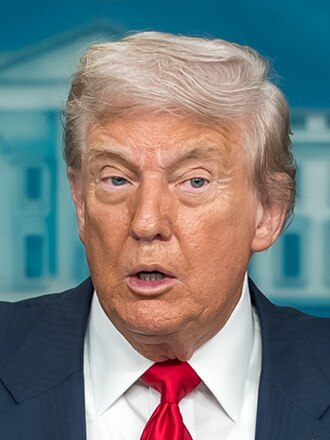
A recent study published in the *American Journal of Respiratory and Critical Care Medicine* indicates that policies enacted during a potential second Trump administration could lead to a rise in lung disease and premature deaths. Pulmonary specialists and public health experts conducted the analysis, which scrutinizes ten policy areas, including healthcare access, environmental regulations, and workplace safety standards.
### Policy Review and Health Implications
The research specifically examines potential impacts across various sectors. These include changes to environmental protections, which could affect air quality, and alterations to healthcare programs, potentially limiting access to treatment. Additionally, the study considers the implications of policies related to workplace safety and vaccine initiatives.
Experts involved in the study suggest that a reduction in public health safeguards and environmental regulations could exacerbate respiratory conditions. This assessment is based on an evaluation of past policy decisions and their potential future trajectory under a similar administration. The analysis highlights concerns about the long-term health consequences for the general population.
### Areas of Concern
Among the key areas of concern are potential rollbacks in environmental regulations, which could lead to increased air pollution. Such changes have historically been linked to higher incidences of respiratory illnesses. The study also addresses the potential for reduced funding or access to healthcare services, which could hinder early diagnosis and effective management of lung conditions.
Furthermore, the analysis considers the impact on occupational health, where changes in workplace safety standards might expose workers to greater risks. The researchers also examined policies related to vaccine uptake, noting the importance of vaccination programs in preventing respiratory infections and their complications. The comprehensive nature of the study aims to provide a broad overview of potential public health challenges.
### Expert Commentary and Context
Public health experts have voiced concerns regarding the potential for these policy shifts to undermine existing health protections. They emphasize the interconnectedness of environmental quality, healthcare access, and public health outcomes. The study serves as a forward-looking assessment, drawing on historical data and policy trends to project future health impacts.
The findings underscore the importance of robust public health infrastructure and environmental safeguards in mitigating respiratory diseases. The researchers advocate for policies that prioritize public health and environmental protection to prevent adverse health outcomes. This analysis contributes to the ongoing discourse about the broader societal implications of political decisions on public well-being.
Implications
Country Impact: Potential policy shifts could lead to increased healthcare burdens and public health challenges across the United States, particularly concerning respiratory illnesses. This may necessitate greater public health spending in the long term.
Industry Impact: Industries subject to environmental regulations, such as manufacturing and energy, could face altered operational requirements. Healthcare providers might experience increased demand for respiratory care services.
Market Impact: The study's findings could influence public discourse on environmental, social, and governance (ESG) factors, potentially impacting investment decisions in sectors perceived as having higher health or environmental risks.