US Sanctions Chinese Firms Over Iranian Oil Exports
The US will announce new Iran sanctions Monday, targeting international trade partners, with a focus on China's role in Tehran's oil exports.
Atlas Newsdesk ·
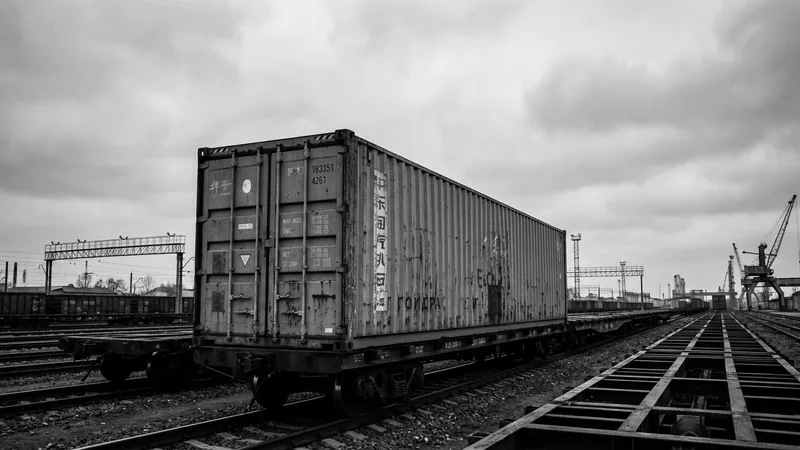
The United States government is poised to unveil a robust new sanctions campaign against Iran on Monday, designed to further isolate the country economically. The initiative aims to disrupt Iran's remaining financial arteries, with a particular focus on nations engaging in trade with Tehran, notably China.
Treasury Secretary Scott Bessent indicated that these upcoming measures will specifically target international trading partners. This strategy places China, which serves as Iran's primary trading partner, at the center of an escalating economic and diplomatic confrontation.
Targeting Iranian Oil Exports
The efficacy of Washington's proposed strategy largely depends on its willingness to impose penalties on Chinese entities. These entities are currently responsible for approximately 90 percent of Iran's total oil exports, making them crucial to Tehran's economy.
Data from the US-China Economic and Security Review Commission indicates that two-way trade between China and Iran reached $9.96 billion in 2025. This figure excludes a significant $31.2 billion in oil shipments, underscoring the depth of their economic ties.
Precedent and Geopolitical Dynamics
Historically, the United States has imposed sanctions on smaller Chinese refineries and shipping companies implicated in trade with Iran. However, it has largely refrained from targeting major Chinese financial institutions, primarily to avoid severe economic retaliation from Beijing and preserve diplomatic stability.
Observers suggest that the scope and intensity of the forthcoming announcement will provide a crucial indicator of the administration's sustained commitment to its economic pressure campaign against Iran. This move creates a complex geopolitical challenge for President Donald Trump, especially as he is slated to host Chinese leader Xi Jinping at the White House on September 24.
Potential Diplomatic Risks
Any significant escalation of sanctions against Beijing risks undermining recent diplomatic efforts aimed at improving US-China relations. Such actions could force the administration to choose between advancing its Iran pressure campaign and maintaining a fragile diplomatic detente with China.
The situation highlights the intricate balance Washington must strike between its foreign policy objectives regarding Iran and the broader implications for its relationship with a major global power like China. The decision carries the potential for far-reaching consequences in international trade and diplomacy.
Broader Implications for Global Trade
A more aggressive stance against Chinese entities could also send ripple effects through global energy markets and international shipping. Other nations or companies involved in trade with Iran, even indirectly, may face increased scrutiny or secondary sanctions, potentially reshaping established trade routes and financial mechanisms.
The outcome of this strategy will be closely watched by international businesses and governments, as it could set a precedent for how the US intends to enforce its sanctions regime against major economic powers. The balancing act between economic pressure and diplomatic stability remains a critical component of US foreign policy.