Egypt Revises Energy Strategy Amidst Regional Supply Shocks
Egypt is recalibrating its energy strategy, focusing on renewables and gas management after regional conflicts disrupted imports and triggered power cuts.
Lauren Collins ·
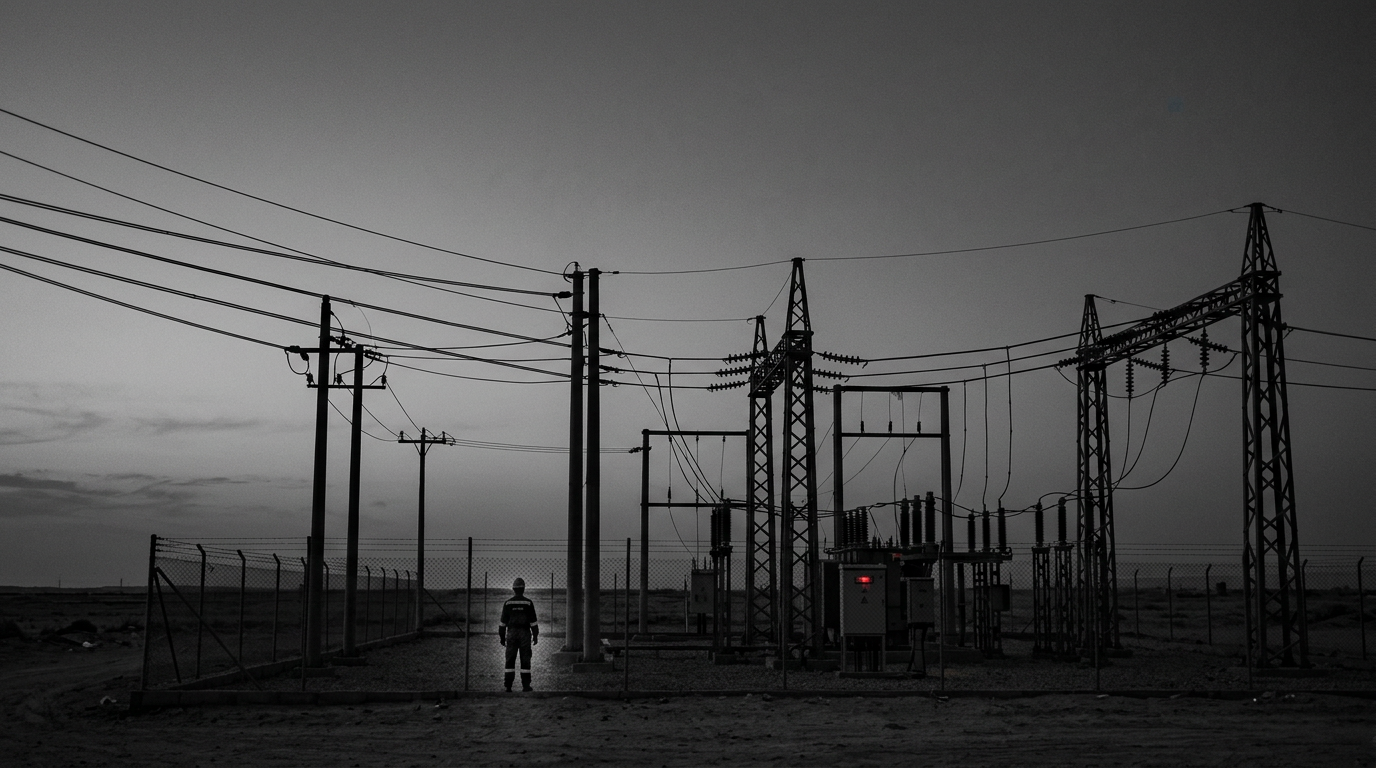
Egypt's government has initiated a significant overhaul of its national energy strategy, responding to severe supply disruptions caused by recent regional instability. The country faced a drastic reduction in natural gas imports earlier this year, prompting the implementation of nationwide power conservation measures and highlighting vulnerabilities in its energy sector.
During February, a temporary shutdown of Israel's Leviathan gas field, linked to regional conflict, saw Egypt's natural gas imports plummet from one billion cubic feet per day to just 50 million cubic feet. This substantial deficit compelled Cairo to introduce mandatory electricity rationing and restrictions on business operating hours across the nation to manage the reduced supply.
Economic Pressures from Energy Deficit
These energy challenges have intensified existing economic pressures within Egypt. The nation's expenditure on gas imports surged by 26 percent, reaching an estimated $10.7 billion during the fiscal year 2026–27. The disruption has also negatively impacted industrial output and deterred foreign direct investment, underscoring the inherent risks of relying heavily on imported energy amidst a volatile geopolitical landscape.
The imperative to secure energy independence and insulate the economy from external shocks has become a top governmental priority. Officials are now emphasizing the need for robust domestic energy production and diversified sources to ensure long-term stability and economic growth.
Dual Approach to Energy Security
To mitigate the impact of future disruptions and enhance energy security, Cairo is pursuing a two-pronged policy. One key focus is the accelerated transition to renewable energy sources. The government aims to generate 42 percent of its electricity from renewables by 2030; however, current output stands at only 12 percent, indicating a substantial target still to be met.
Concurrently, authorities are working to improve the sustainable management of domestic gas reserves. This includes implementing stricter oversight and more sustainable extraction practices to prevent the rapid depletion witnessed in fields such as Zohr. These efforts are designed to bolster Egypt's domestic industrial base and lessen its susceptibility to potential regional supply chain collapses.
The successful execution of these strategic reforms will be crucial for Egypt's ability to maintain energy stability, attract sustained foreign capital, and shield its economy from the broader geopolitical tensions that frequently affect global energy supply chains. The outcome will largely dictate Egypt's economic resilience in the coming years.