Ferrari Luce EV sells for $40M at Sotheby’s auction
Ferrari Luce, the brand’s first all-electric car, sold for $40 million at a Sotheby’s auction in California, with proceeds going to education.
Atlas Newsdesk ·
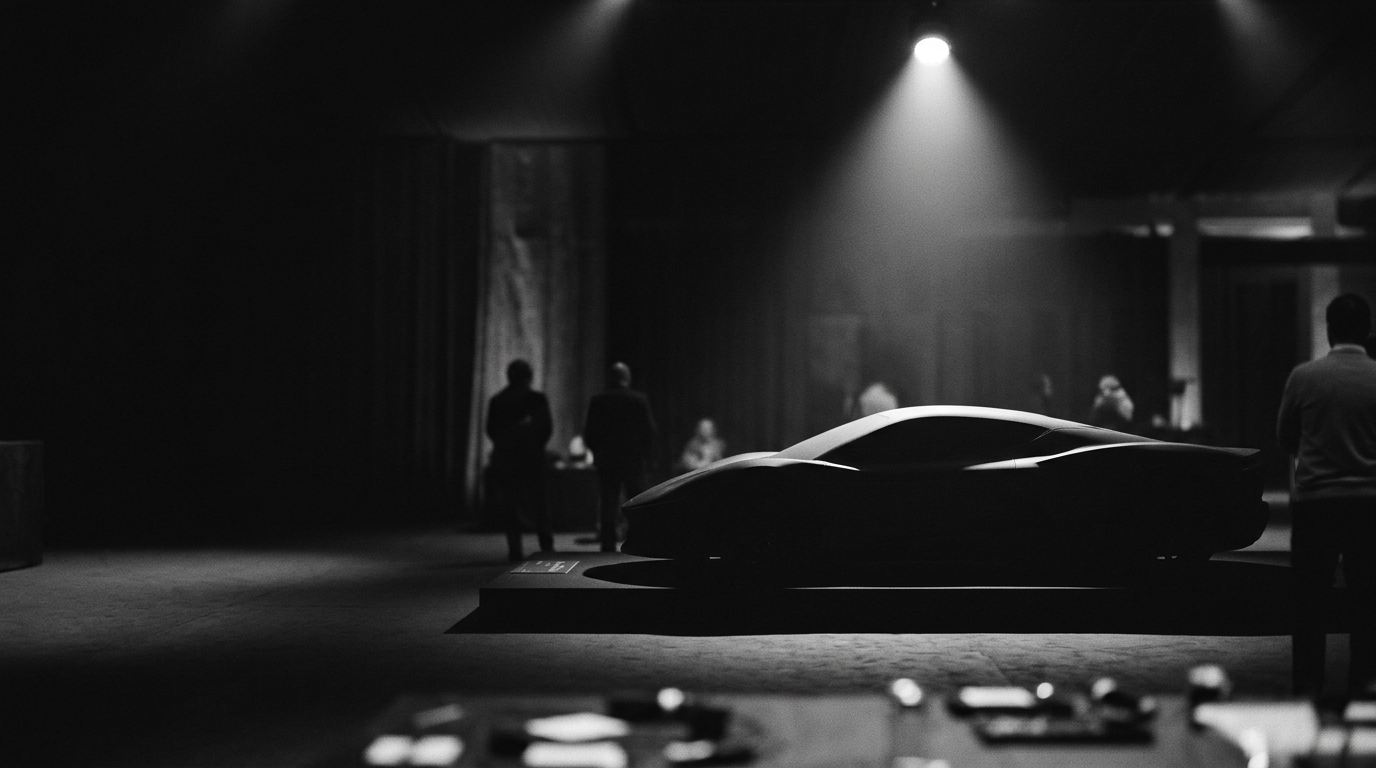
Ferrari’s first all-electric vehicle, a one-off model called the Ferrari Luce , sold for $40 million at a Sotheby’s auction in California, according to officials connected to the sale. Those officials said the winning bid was more than 35 times the model’s standard market valuation. They added that the entire amount raised will be directed to the Ferrari Foundation’s educational initiatives.
The price set what organisers described as a new benchmark for a newly built car sold at auction. Information provided about the transaction said the result exceeded the prior record for a new car sold at auction, which had been set by a $26 million Daytona SP3 sale in 2025.
Officials tied to the sale said proceeds will
Record benchmark and where proceeds will go
Organisers positioned the Luce auction as more than Organisers positioned the Luce auction as more than a high-end sale, framing it as both a pricing milestone and a fundraising effort. In that presentation, the car was marketed as a philanthropic asset rather than something intended to reflect a typical retail transaction. Officials tied to the sale said proceeds will support education through the Ferrari Foundation. No additional breakdown was provided in the transaction details beyond the stated focus on educational initiatives. One-off build with Jony Ive collaboration The Luce was described in the auction materials as a bespoke, single example developed by Ferrari in collaboration with Jony Ive. The listing noted that the vehicle carries distinctive aesthetic finishes alongside custom mechanical components. Those features were presented as meaningfully different from Those features were presented as meaningfully different from any standardised production configuration described in the sale documents. Organisers highlighted these bespoke elements as central to the vehicle’s rarity and its appeal, and as part of the rationale for why the final price moved so far beyond the stated market-valuation reference point. Context: stock volatility and debate over electrification The sale followed a period of volatility in Ferrari’s stock. Ferrari shares fell after the model’s initial launch in May, as analysts and former company leadership publicly questioned the decision to move away from internal combustion heritage and established design language. Against that backdrop Against that backdrop, the auction was characterised as a way to counter negative sentiment linked to Ferrari’s entry into the electric vehicle segment. The source material described that segment as being led by Tesla and manufacturers in China.
Organisers also presented the result as a sign of continued demand for highly exclusive luxury assets, even as questions persist in parts of the market about Ferrari’s electrification strategy and how it will balance tradition with new technology.