US Strikes Iranian Tankers After Missile Incidents in Gulf
US forces attacked three Iranian oil tankers on September 5 in the Gulf of Oman, following missile launches targeting two US Navy warships.
Mateo Fernandez ·
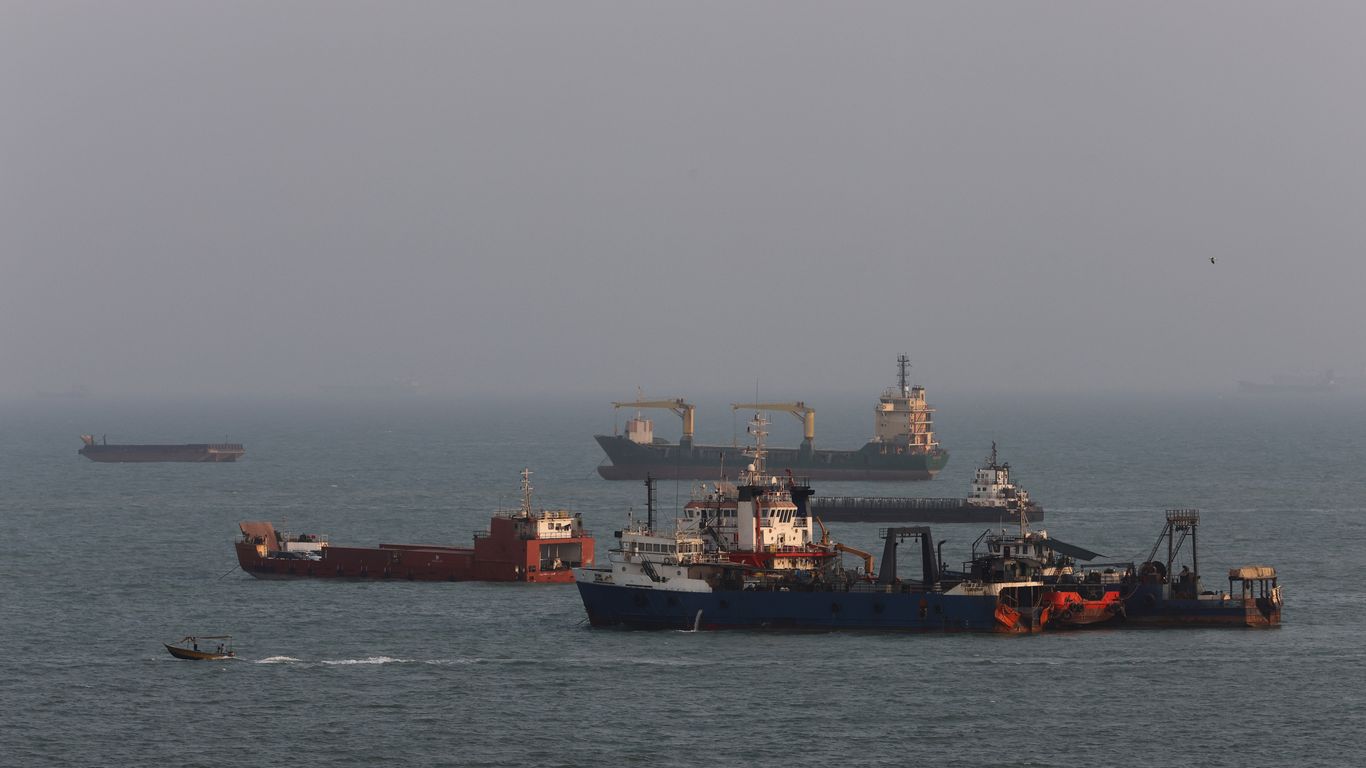
United States forces conducted strikes against three Iranian oil tankers on September 5, according to US Central Command. This action followed an incident where ballistic missiles were fired at two US Navy warships. The command stated that the US vessels successfully evaded the incoming missiles before American forces engaged the tankers in the Gulf of Oman, an area critical for global oil transit.
Officials confirmed that two of the targeted vessels, the M/T Downy and the M/T Stark 1, were permanently disabled during the operations. The third tanker, the M/T Kylo, was reportedly destroyed after its crew received warnings to abandon the ship. These events highlight escalating tensions in a vital maritime region.
Heightened Regional Tensions
This latest exchange marks an extension of the ongoing conflict between the US and Iran, which has now surpassed six months, according to statements from officials. A US official indicated earlier in the week that President Trump had previously authorized a "tanker-for-tanker" policy, linking any attacks on shipping to direct retaliatory actions against Iranian vessels. This policy framework appears to have guided the recent military response.
The Gulf of Oman holds significant strategic importance as it is located outside the Strait of Hormuz. This strait is the narrow waterway through which a substantial portion of the world's oil supply from Gulf exporters passes to reach international markets. Any disruption or increased risk perception in this area can have far-reaching economic consequences.
Market Implications and Political Context
Should shipowners or insurance providers perceive these recent strikes as indicating a higher operational risk, the immediate impact on commodity markets would likely manifest in increased freight costs and higher war-risk premiums for shipping, rather than an immediate physical loss of supply. Such developments could affect global trade and energy prices indirectly.
The political rhetoric surrounding the conflict has been fluid. President Trump had characterized the Iran situation as "small potatoes" just one day before the recent maritime incidents. Separately, President Vance had stated two days prior that there was no active conflict or "no active shooting" between the two nations, underscoring a complex and sometimes contradictory political narrative.
Public Opinion and Future Outlook
A public opinion survey conducted between August 14 and 17 revealed that 65% of Americans favored the US pursuing a diplomatic agreement to resolve the conflict as swiftly as possible. This sentiment reflects a desire for de-escalation amidst ongoing tensions.
Looking ahead to September 6, 2026, analysts suggest that if Iran targets another vessel or if US forces expand their tanker strikes, crude risk premia could significantly widen. However, if maritime traffic in the Gulf continues largely unimpeded, the impact may remain concentrated within the insurance and freight sectors, rather than triggering widespread supply disruptions.