US Destroys Three Iranian Oil Tankers Amid Rising Tensions
US forces destroyed three Iranian oil tankers after alleged attacks on Navy warships, escalating Gulf tensions and raising global oil supply concerns.
Mateo Fernandez ·
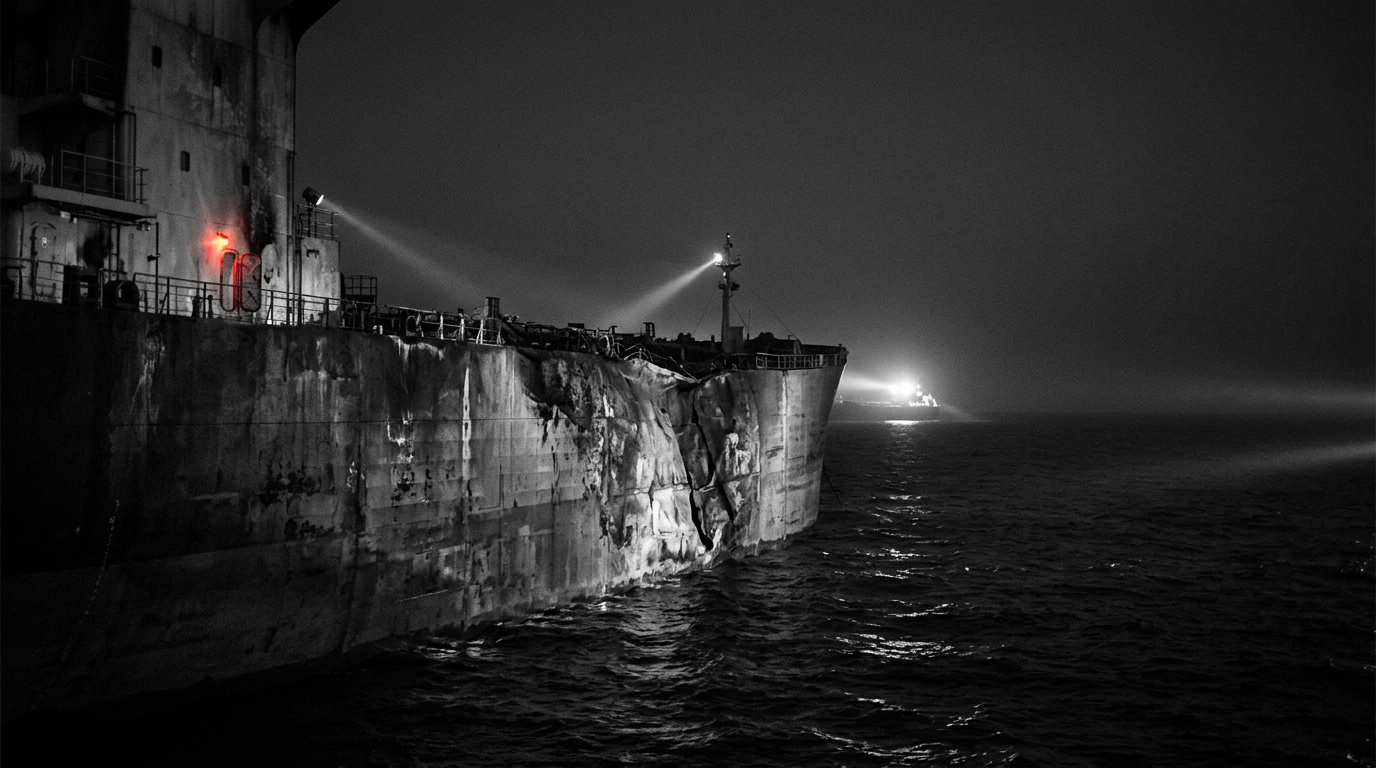
United States military forces confirmed the destruction of three Iranian oil tankers on Saturday. This action was taken in response to what officials described as the targeting of US Navy warships by Iran’s Islamic Revolutionary Guard Corps. The incident has intensified concerns regarding oil supply stability in the Persian Gulf region, prompting reactions from international observers and market participants.
Officials characterized the operation as a defensive measure aimed at protecting US personnel and assets in the area. A statement from the US military emphasized a commitment to defending its forces and, if necessary, engaging what it termed Iran’s limited and exposed oil fleet. This rhetoric is significant for global commodities markets, as disruptions to tanker availability, increased insurance costs, and altered shipping routes can impact supply dynamics even before physical cargo is affected.
Escalating Confrontation in the Gulf
The reported strike marks a widening of the confrontation, shifting from military assets to energy infrastructure directly linked to Iran. As a significant oil producer, Iran's exports are particularly vulnerable to shipping chokepoints and international sanctions enforcement. The immediate uncertainty revolves around how Iran will perceive this action—whether as a contained military exchange or as a catalyst for broader retaliatory measures near crucial Gulf shipping lanes.
Should the incident remain isolated, crude oil prices might see a temporary risk premium rather than a sustained re-evaluation of supply. However, any expansion of attacks to include export infrastructure or key transit routes would compel refiners and traders to factor in a higher probability of disrupted cargo flows, leading to more significant market shifts.
Broader Economic and Market Implications
From a global macroeconomic perspective, the primary concern is potential energy inflation. Persistent increases in crude and refined-product prices could complicate the monetary policy decisions of central banks, potentially hindering efforts towards economic easing. For Iran, the direct consequence is a further constriction of its export capacity and an increase in logistical costs for its oil shipments.
Within the wider tanker and oil sectors, a critical near-term test is whether insurers, shipowners, and charterers will revise their risk assessments and terms for operations in the Persian Gulf. September 6 has been noted as a potential deadline for such adjustments, indicating a period of heightened scrutiny for maritime activities in the region.