US Reports Strikes on Iranian Oil Tankers Amid Gulf Tensions
US military forces reportedly struck three Iranian oil tankers on Sept 5, 2026, raising concerns over Persian Gulf shipping risks after missile attacks.
Mateo Fernandez ·
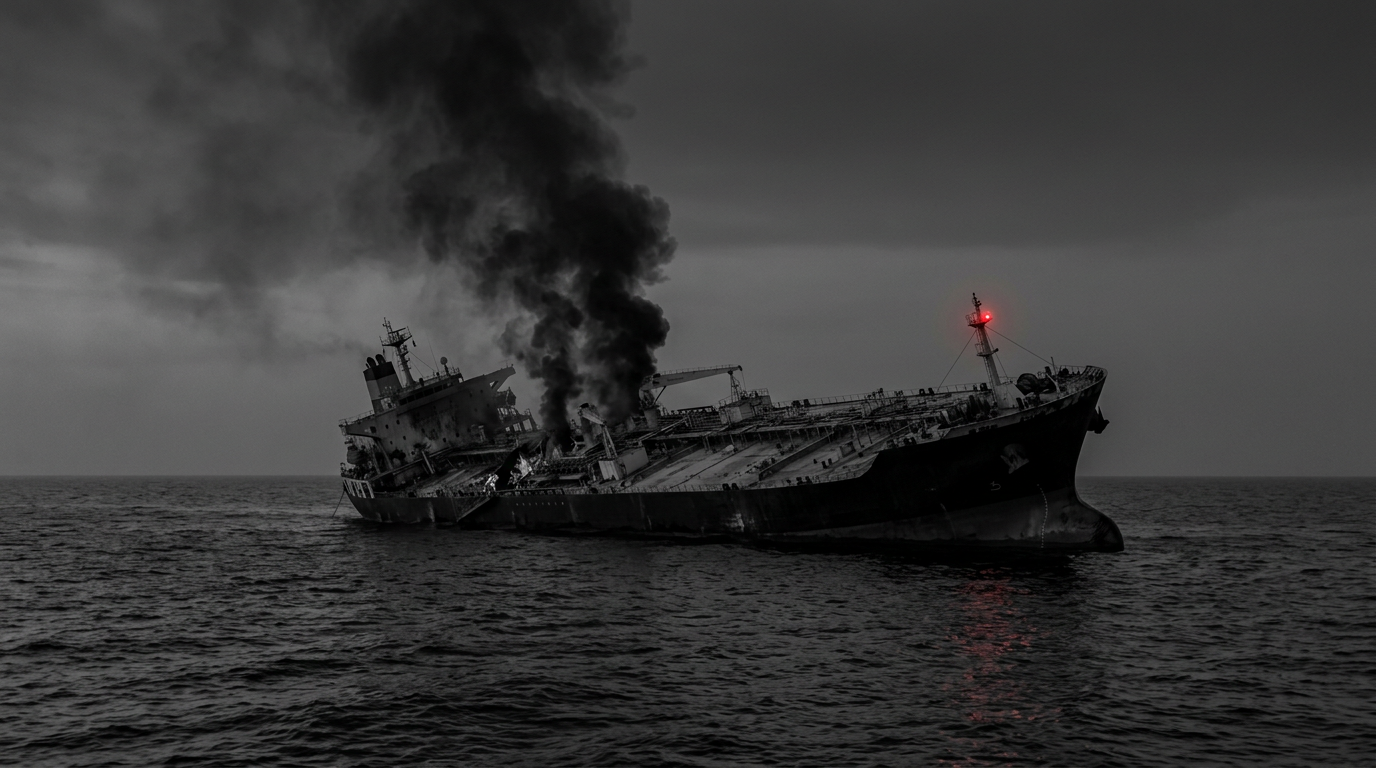
United States military forces reportedly targeted three Iranian oil tankers on September 5, 2026, according to official statements. This action was described as a response to earlier missile strikes against US Navy warships operating in the region. The incident has immediately escalated anxieties within the global oil market, particularly concerning shipping security in the Persian Gulf, with potential broader effects anticipated across crude oil prices, freight rates, and insurance premiums.
Prior to the US announcement, Iran had accused the United States of an attack on one of its tankers located near Kharg Island. Kharg Island is widely recognized as a critical oil-loading facility within the Persian Gulf. Officials noted the difficulty in reconciling the conflicting narratives from both nations based on the available official accounts. Neither party has released verified damage assessments nor casualty figures following these reported engagements.
Heightened Shipping Risks in the Gulf
The global oil supply infrastructure heavily relies on a complex network of tankers, export terminals, and naval escorts to transport crude oil from production sites to international markets. If future attacks remain limited to isolated vessels, the initial market impact is primarily expected to manifest as increased shipping costs and higher war-risk insurance premiums, rather than an immediate disruption to the physical supply of oil.
However, any broadening of these exchanges, especially in proximity to crucial locations like Kharg Island or other vital Gulf shipping lanes, would trigger close monitoring by market observers. Such an escalation could lead to potential delays in loading operations, the re-routing of cargo vessels, and a corresponding surge in demand for hedging strategies to mitigate risks. This scenario would carry significant implications for refineries dependent on seaborne crude deliveries and for oil producers whose output requires transit through the Persian Gulf to reach international buyers.
Outlook for Security and Supply Chains
For the US military, a key consideration centers on whether the missile threat to its Navy vessels has been effectively neutralized or if additional force protection measures will be necessary. From the perspective of the wider oil sector, the more substantial risk stemming from these events is the potential for a sustained pricing premium. This premium would be driven by ongoing concerns about transit security rather than confirmed losses of actual oil barrels.
The immediate focus for all stakeholders remains on the period extending through September 6, 2026. During this critical timeframe, market participants and international observers will be awaiting official damage assessments, any shipping advisories issued by maritime authorities, and potential statements regarding restrictions on tanker movements within the Persian Gulf. The dynamic nature of this situation underscores the delicate balance required to maintain both maritime security and global energy supply stability in the region.