US Energy Exports Surge as Middle East War Scrambles Routes
Geopolitical shifts in the Middle East are bolstering the United States' role as a leading global energy supplier, impacting market dynamics and…
Atlas Newsdesk ·
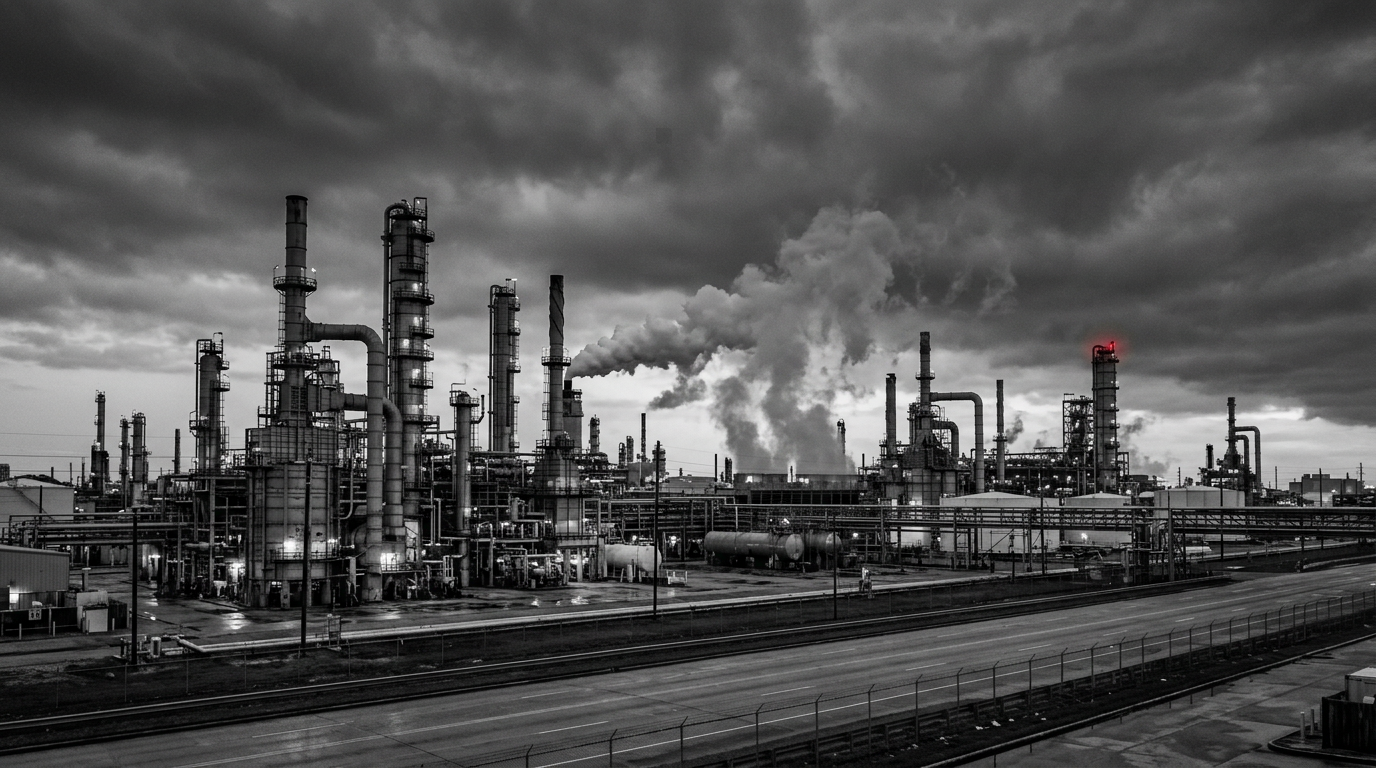
The United States is increasingly solidifying its position as a primary global energy provider, a trend significantly amplified by ongoing regional instability in the Middle East. Disruptions to traditional supply routes from the Gulf region are creating opportunities for American energy companies to expand their market share and secure long-term agreements.
One notable development includes a century-long pact for 17 oil fields in Venezuela, indicating a strategic shift in global energy procurement. This evolving geopolitical landscape fundamentally alters the historical energy dynamic between Washington and major Gulf producers, moving away from a primary focus on securing sea lanes for global supply.
Shifting Energy Market Dynamics
Previously, the U.S. prioritized ensuring the security of Gulf sea lanes to maintain stable global energy supplies. However, current market conditions show U.S. producers benefiting from risk premiums associated with regional insecurity. Interruptions in liquefied natural gas (LNG) shipments from Qatar and reduced output from key producers like Kuwait, Saudi Arabia, and the UAE have prompted European importers to seek alternative sources, primarily from the United States.
This transition is underscored by a growing alignment between private energy sector interests and national policy. Major energy corporations, such as Chevron, which holds significant interests in both U.S. shale operations and Israeli offshore gas reserves, appear to benefit from a regional status quo that avoids both large-scale conflict and a lasting peace settlement.
Economic Incentives and Strategic Implications
Maintaining a state of what some analysts term 'managed insecurity' allows U.S. producers to sustain crude oil prices within a profitable range, often cited between $61 and $66 per barrel. This price band is crucial for incentivizing domestic drilling activities while simultaneously helping to keep global inflation in check. This confluence of economic interests creates a structural incentive that can impede a definitive resolution to ongoing regional tensions.
The Strait of Hormuz, a critical chokepoint for global oil transit, remains vulnerable, further constraining the reliability of Gulf energy supplies. This sustained vulnerability underscores the strategic advantage gained by regions less affected by such geopolitical risks. The shift represents a significant reordering of global energy power dynamics, with long-term implications for international relations, trade balances, and energy security paradigms across various continents.
The U.S. energy sector, particularly its shale oil and gas production capabilities, has been instrumental in this transformation. The ability to rapidly increase or decrease production provides a flexibility that traditional producers often lack, making the U.S. a more resilient and strategically appealing partner in an unstable global energy environment. This has implications not only for energy prices but also for the geopolitical leverage of major energy-producing nations.