Qatar’s Economic Outlook Raised as LNG Market Risks Recede
Fitch Ratings has removed Qatar from Rating Watch Negative, indicating reduced immediate risks to LNG infrastructure, though a negative sovereign outlook…
Atlas Newsdesk ·
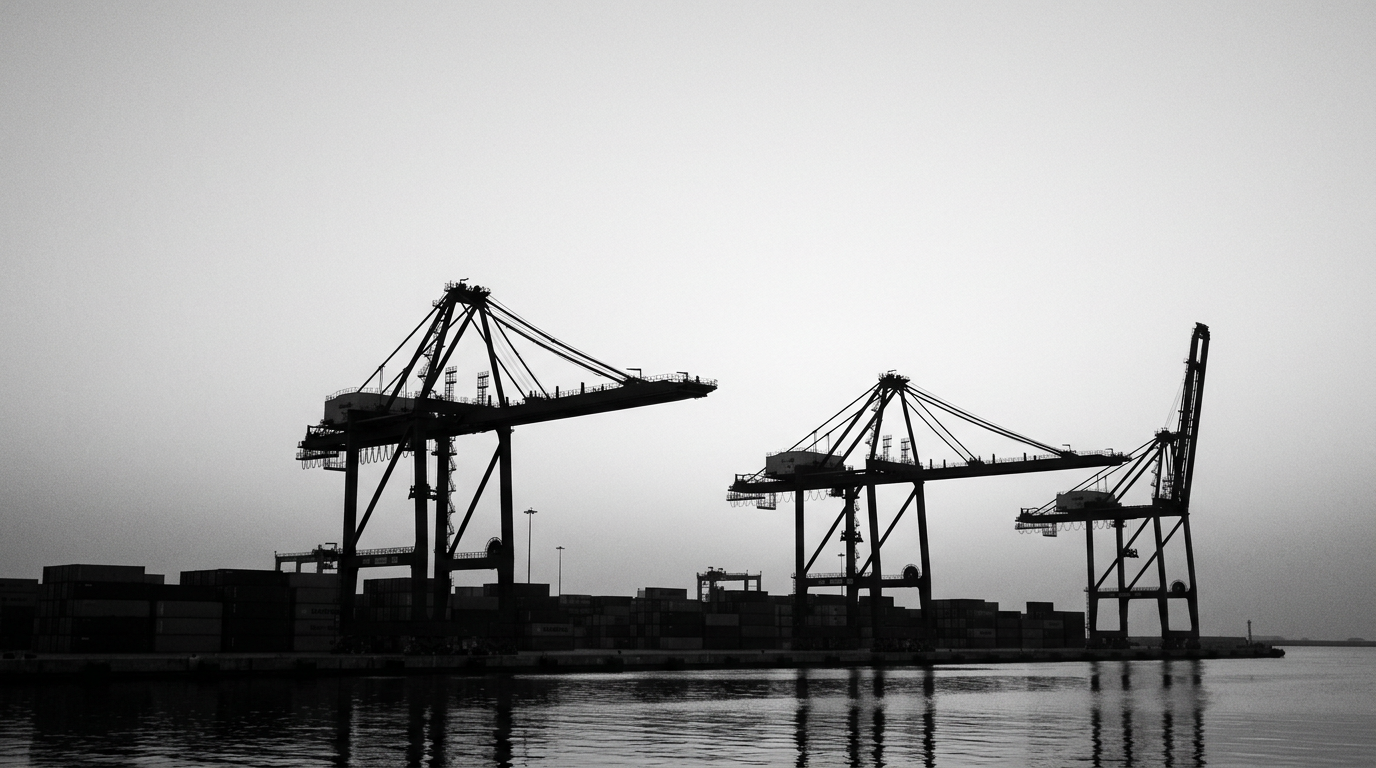
Fitch Ratings announced on Friday that it has lifted Qatar from its Rating Watch Negative status. This decision reflects a decreased perception of immediate operational risks to the nation's vital liquefied natural gas (LNG) infrastructure, an issue that initially prompted concern in March. Despite this positive adjustment, Fitch maintained Qatar's sovereign rating at '-', highlighting the country's inherent economic resilience.
The stabilization in the assessment of physical asset security follows a period marked by heightened regional tensions, including six months of conflict involving the United States, Israel, and Iran. These hostilities had previously led to a blockade of the Strait of Hormuz and damage to significant energy infrastructure across the broader region. While immediate risks to Qatar's LNG facilities appear to have receded, the rating agency opted to retain a negative outlook on the sovereign rating.
Persistent Regional Instability Concerns
The continued negative outlook assigned to Qatar's '-' rating primarily stems from ongoing uncertainties regarding the long-term effects of the Strait of Hormuz blockade. Analysts from the ratings agency emphasized the potential for lasting impacts on Qatar's gas export volumes, which could consequently affect its overall credit profile. Qatar holds a position as a major global supplier of LNG, making its capacity to sustain export flows critical for its economic stability.
The ongoing regional conflict has already contributed to notable supply disruptions in international energy markets. Financial experts continue to highlight Qatar's substantial fiscal reserves as a crucial buffer. These reserves enable the country to absorb much of the economic volatility triggered by prolonged instability, offering a degree of protection against external shocks and mitigating immediate financial pressures.
Evaluating Long-Term Creditworthiness
Quantifying the full extent of the regional conflict's impact on Qatar's long-term creditworthiness remains a complex undertaking, according to the rating agency. The intricate interplay of geopolitical factors, energy market dynamics, and regional trade routes makes precise predictions challenging at this juncture. The duration of the blockade and the eventual resolution of regional tensions will serve as key determinants for Qatar's future economic trajectory.
Qatar's strategic importance as a global energy provider places its financial health under close scrutiny from international investors and markets. The '-' rating, while robust, acknowledges that future developments in the Gulf region could still influence its economic prospects. Monitoring these geopolitical shifts will be essential for understanding the evolving risk landscape for the nation, ensuring a comprehensive view of its economic stability and credit outlook moving forward.