Gold prices hold near $4,449 as rate pressure builds again
Gold prices steadied near $4,449 after reported US-Iran strikes lifted energy risks and renewed focus on Federal Reserve inflation policy.
Jurgen Goldmeier ·
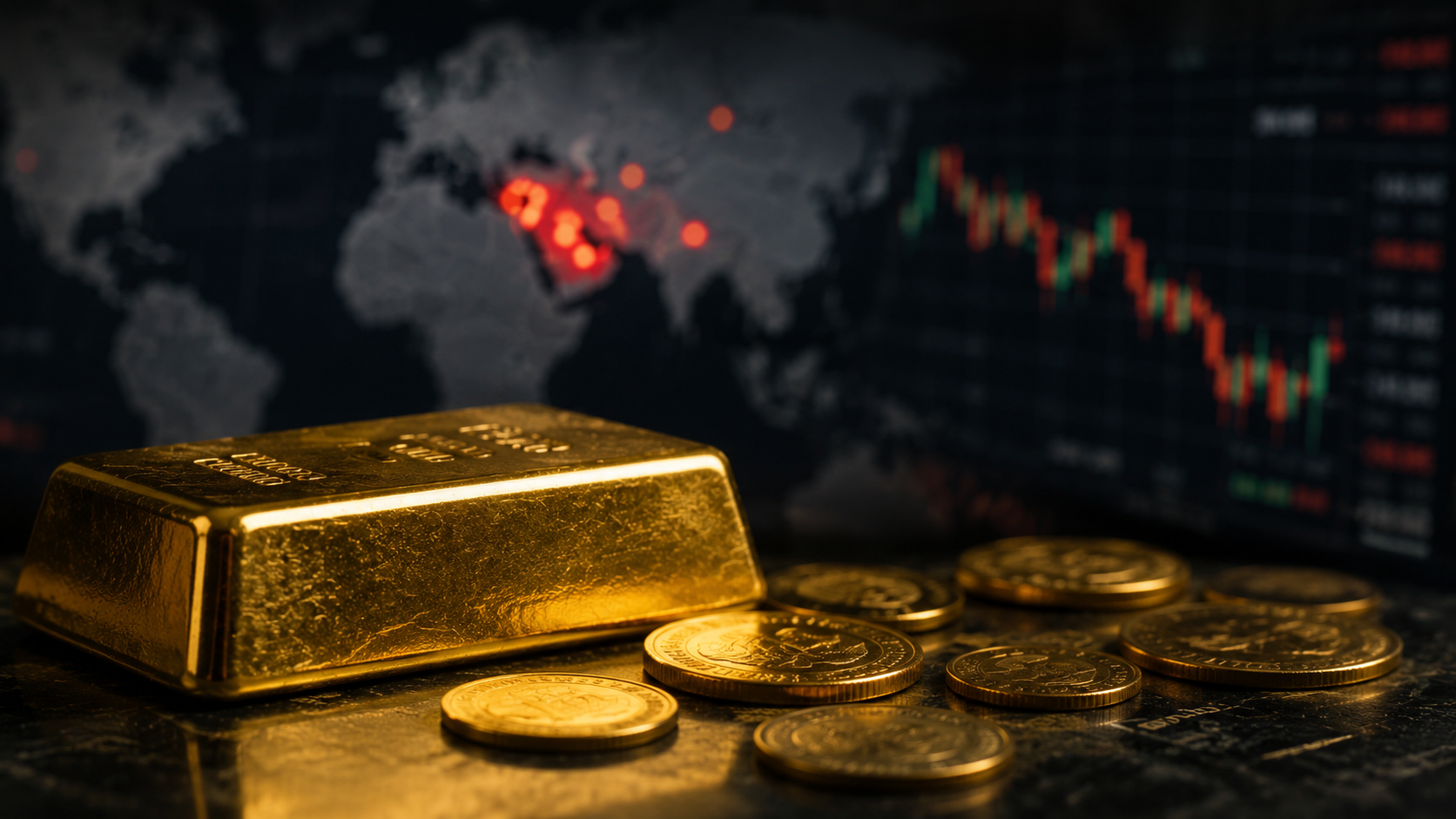
Gold prices steadied near $4,449 an ounce after reported US-Iran strikes revived oil-market risks and the Fed inflation debate.
Spot bullion rose 0.2% to $4,448.64 an ounce at 7:52 a.m. in Singapore, after losing more than 3.5% over the previous two sessions. The move left gold below a 200-day moving average often used by traders to assess momentum.
Hormuz strike risk returns
Market participants were reacting to reports that US forces hit an island in the Strait of Hormuz and Iran responded with attacks on the United Arab Emirates and Jordan. The reported exchange would be the first direct round of strikes between Washington and Tehran in a month.
The Strait of Hormuz remains the pressure point for energy traders after more than six months of conflict unsettled crude markets. Oil prices moved higher after posting their biggest gain in three weeks on Monday, adding another channel through which the confrontation can reach inflation expectations.
August rally meets Fed pressure
Gold had entered the week with a large cushion from August, when bullion climbed almost 10% for its strongest monthly advance since January. The rally followed the US Treasury’s mid-month decision to increase bond buybacks, a step framed by traders as an attempt to restrain borrowing costs.
That Treasury action revived interest in the debasement trade, a gold-supportive theme tied to concerns over sovereign debt, heavy issuance and currency purchasing power. The same trade helped carry bullion higher earlier in 2025, according to the market account.
The advance slowed after Federal Reserve Chairman Kevin Warsh gave a hawkish speech on Friday and said the central bank would fight inflation. Traders then priced a more than 60% probability of a rate increase at the Fed’s September 15-16 meeting, a shift that works against bullion because gold pays no interest.
A stronger policy-rate path can raise the opportunity cost of holding bullion relative to cash or short-dated debt. A broad dollar gauge was unchanged after slipping 0.2% in the prior session, limiting one of gold’s other usual pressure points because the metal is priced in US currency.
Precious metals move cautiously
Silver was little changed at $66.56 an ounce, while platinum and palladium also held near prior levels. The steadier trading across precious metals suggested the initial reaction was concentrated in oil, rates and gold’s technical position rather than a broad shift across the complex.
If energy prices keep rising into the Fed meeting, traders may extend wagers on a rate increase, tightening US financial conditions through higher yields and a firmer dollar. In that scenario, global macro conditions would carry a stronger inflation impulse, gold would have to balance haven demand against rate pressure, and jewelry makers, refiners and industrial users would face higher input costs.
If the strike cycle fades and oil steadies, the inflation channel would weaken and the Fed-rate premium priced into bullion could narrow. The main open questions are whether the reported military exchange expands, whether crude keeps its gains, and whether Warsh’s inflation message changes market pricing before the September meeting.