Amnesty International Accuses US of Iran School Attack
Amnesty International has accused the United States of a deadly attack on an Iranian school, raising concerns about civilian casualties.
Cuneyd Erdogan ·
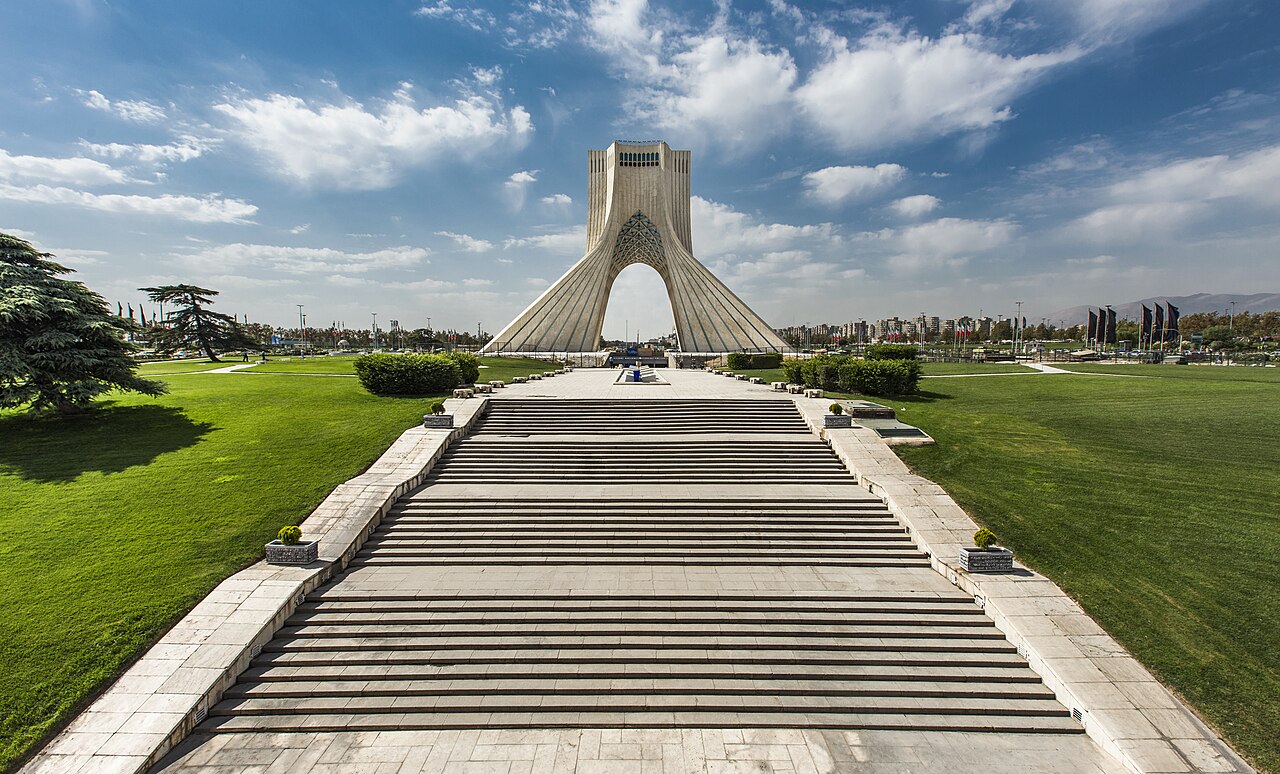
Amnesty International has attributed responsibility to the United States for a deadly attack on an Iranian school. The human rights organization's findings, released following an investigation, highlight concerns regarding civilian casualties in military operations. This accusation underscores ongoing scrutiny of international military actions and their adherence to humanitarian law.
Investigation Findings
The report by Amnesty International details the incident, asserting that the strike, which impacted a school in Iran, resulted in fatalities. The organization's methodology typically involves gathering evidence from various sources, including witness testimonies, satellite imagery, and analysis of munition remnants, to determine the party responsible and the nature of the attack.
Context of US Operations
United States military operations in the Middle East have historically been extensive, often targeting perceived terrorist groups or state-sponsored actors. These operations, while aimed at national security objectives, frequently draw criticism from human rights organizations concerning civilian protection and the legality of strikes under international law.
International Law and Civilian Protection
International humanitarian law mandates that all parties to an armed conflict must distinguish between combatants and civilians, and between military objectives and civilian objects. Attacks must be directed only against military objectives, and all feasible precautions must be taken to avoid, or at least minimize, incidental loss of civilian life, injury to civilians, and damage to civilian objects.
Amnesty International's Role
Amnesty International is a global non-governmental organization focused on human rights. It conducts research and generates action to prevent and end grave abuses of human rights. Its reports often serve as critical assessments of state and non-state actors' conduct in conflicts, advocating for accountability and justice for victims.
Reactions and Implications
Accusations of this nature typically lead to calls for independent investigations and reparations for victims. Such reports can also strain diplomatic relations between the accused nation and the international community, particularly when they involve civilian casualties in sensitive geopolitical regions. The United States government often reviews such allegations, though responses vary depending on the specific circumstances and evidence presented.
Broader Regional Tensions
The accusation comes amidst a backdrop of persistent geopolitical tensions between the United States and Iran. Both nations have engaged in proxy conflicts and direct confrontations in the region, contributing to an unstable security environment. Incidents involving civilian casualties further complicate efforts to de-escalate these long-standing rivalries and foster regional stability.
Implications
Country Impact: The accusation could exacerbate existing tensions between the United States and Iran, potentially leading to increased diplomatic friction and calls for international condemnation. It may also fuel anti-American sentiment within Iran and among its allies.
Industry Impact: There are no direct industry-specific implications immediately apparent from this report. However, broader geopolitical instability resulting from such incidents can indirectly affect sectors like energy, shipping, and defense contracting.
Market Impact: Global markets may react to heightened geopolitical risk, particularly in the Middle East, which could lead to volatility in oil prices and safe-haven asset flows. Investor confidence in regional stability could be negatively impacted.