Trump Suggests US Could Target Iran's Kharg Island
Former U.S. President Donald Trump suggested targeting Iran's Kharg Island, a critical oil export terminal, highlighting ongoing US-Iran tensions.
Cuneyd Erdogan ·
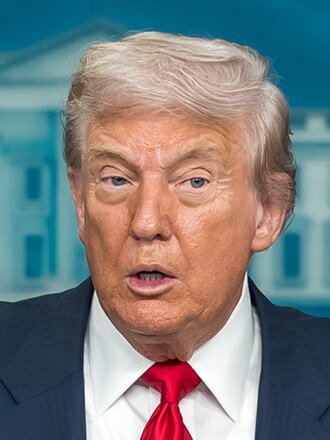
Former U.S. President Donald Trump recently suggested that the United States might again target Iran's Kharg Island. This statement, made during a campaign event, references past military actions and highlights ongoing tensions between Washington and Tehran. Kharg Island is a critical strategic location for Iran, serving as its primary oil export terminal.
Strategic Importance of Kharg Island
Kharg Island, situated in the Persian Gulf, is central to Iran's economy. The vast majority of Iran's crude oil exports, which are vital for its national revenue, pass through this facility. Any disruption to operations on Kharg Island would have significant economic repercussions for the Islamic Republic.
Historically, Kharg Island has been a target during regional conflicts. During the Iran-Iraq War in the 1980s, the island's oil terminals were repeatedly attacked by Iraqi forces in an effort to cripple Iran's oil trade and war economy. These past events underscore the island's vulnerability and its strategic value in any broader conflict.
Context of US-Iran Relations
Relations between the United States and Iran have been characterized by periods of intense hostility and diplomatic efforts for decades. Under the Trump administration, tensions escalated significantly following the U.S. withdrawal from the Joint Comprehensive Plan of Action (JCPOA), commonly known as the Iran nuclear deal, in 2018. This withdrawal was accompanied by the re-imposition and expansion of U.S. sanctions targeting Iran's oil sector, financial institutions, and other key industries.
These sanctions aimed to pressure Iran into renegotiating a more comprehensive agreement regarding its nuclear program and regional activities. Iran, in response, has gradually reduced its commitments under the JCPOA and has been accused by the U.S. and its allies of destabilizing actions in the Middle East, including support for various proxy groups and harassment of international shipping in the Persian Gulf.
Potential Implications of Such Actions
Any military action against Iranian infrastructure, particularly a site as critical as Kharg Island, would carry substantial geopolitical and economic risks. Such an event could trigger a severe escalation of hostilities in the Middle East, potentially drawing in other regional and international actors. The global oil markets would likely react sharply to any threat to Iranian oil exports or the stability of the Persian Gulf, a crucial waterway for global energy supplies.
International shipping lanes in the Strait of Hormuz, through which a significant portion of the world's seaborne oil passes, could also be jeopardized. This would not only impact oil prices but also global trade and economic stability. Diplomatic efforts to de-escalate tensions would become significantly more challenging, potentially leading to a prolonged period of instability.
International Response and Outlook
International bodies and numerous countries have consistently called for de-escalation and diplomatic solutions to the U.S.-Iran standoff. Concerns about regional stability and the potential for a wider conflict remain high. The prospect of military action against Iran's critical infrastructure would likely be met with widespread international condemnation and calls for restraint.
The future trajectory of U.S.-Iran relations remains uncertain, particularly with the upcoming U.S. presidential election. Statements from political figures, especially those with past presidential authority, are closely watched for indications of potential policy shifts or intentions regarding one of the world's most volatile geopolitical flashpoints.
Implications
Country Impact: Any military action against Iran's Kharg Island would severely impact Iran's economy, which heavily relies on oil exports. It could also lead to significant internal political instability and a heightened state of alert across the nation.
Industry Impact: The global oil and gas industry would face extreme volatility, with potential for sharp price increases and supply chain disruptions. Shipping and maritime insurance sectors operating in the Persian Gulf would also experience increased risks and costs.
Market Impact: Global financial markets would likely react negatively, with equities falling and safe-haven assets like gold and government bonds rising. Oil prices would surge, impacting inflation and potentially slowing global economic growth.