US, China Trade Talks in Paris Precede Potential Summit
US and Chinese officials held trade talks in Paris to prepare for a potential summit between their leaders, aiming to de-escalate trade tensions.
Cuneyd Erdogan ·
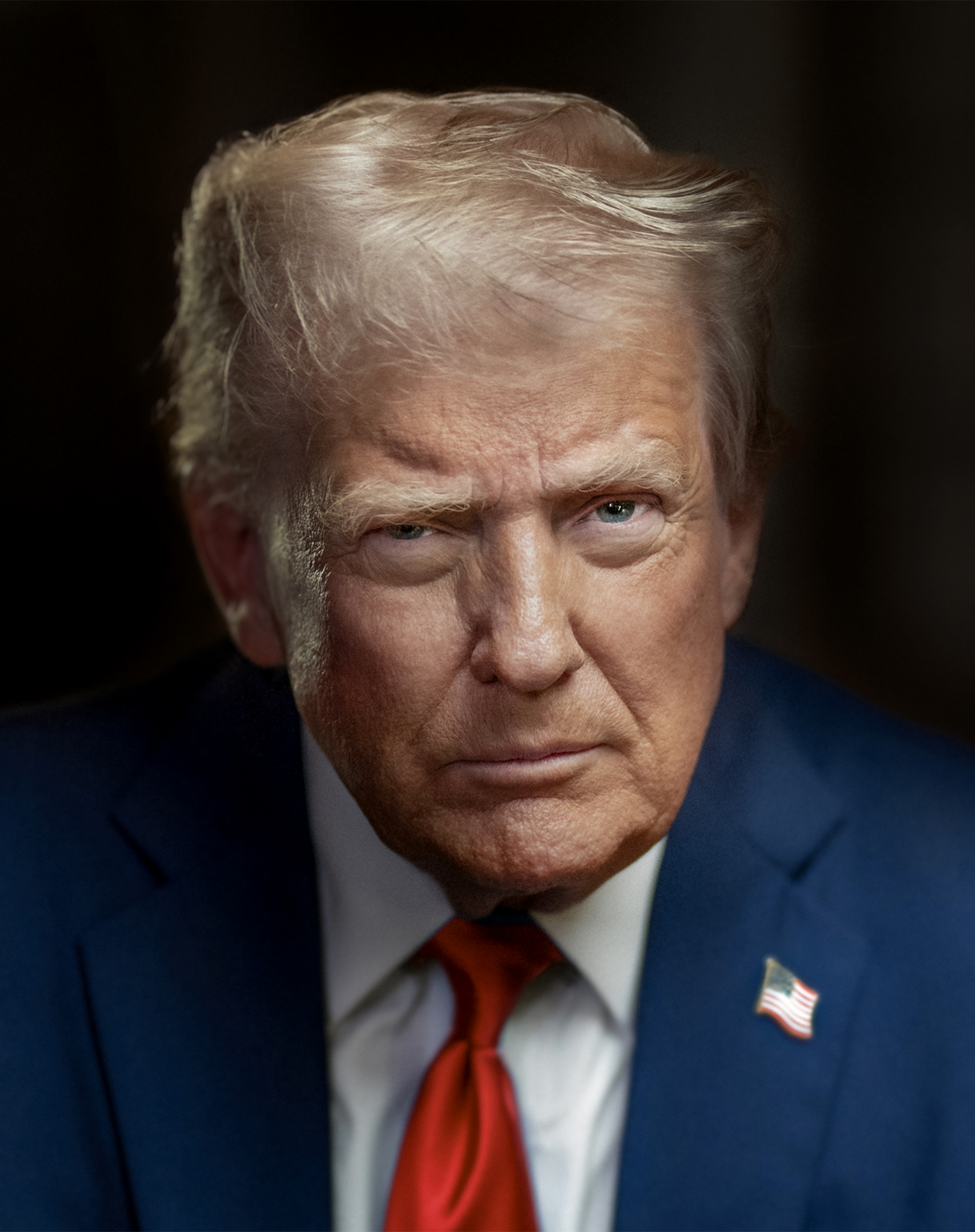
Officials from the United States and China convened in Paris for trade discussions, aiming to establish a framework for a potential meeting between their respective leaders. These talks occurred as both nations sought to de-escalate ongoing trade tensions and explore avenues for resolution.
Diplomatic Engagements in Paris
The discussions in the French capital involved high-level representatives from both governments. The primary objective was to address key points of contention in the bilateral trade relationship, including tariffs, intellectual property rights, and market access.
These preparatory meetings are a common diplomatic strategy to iron out differences and build consensus before a leaders' summit. The choice of Paris as a neutral ground for these sensitive negotiations underscored the global interest in the US-China economic relationship.
Background of Trade Tensions
The United States and China have been engaged in a protracted trade dispute characterized by the imposition of reciprocal tariffs on hundreds of billions of dollars worth of goods. This trade friction began in early 2018, with the US citing concerns over trade imbalances, forced technology transfers, and state subsidies for Chinese industries.
Beijing consistently denied allegations of unfair trade practices, viewing US actions as protectionist and an attempt to curb China's economic rise. The escalating tariffs impacted global supply chains and raised concerns among international organizations about a potential slowdown in global economic growth.
Objectives for a Leaders' Summit
The Paris talks were specifically designed to pave the way for a high-stakes summit between then-President Donald Trump and President Xi Jinping. Such a meeting would aim to achieve a significant breakthrough or at least a temporary truce in the trade war.
Key outcomes sought from a potential summit included a commitment to reduce or remove existing tariffs, an agreement on intellectual property protection, and mechanisms for verifying compliance with any new trade deal. Both sides faced domestic pressure to resolve the dispute, given its economic implications.
Global Economic Implications
The ongoing trade dispute between the world's two largest economies had significant repercussions for global markets. Businesses faced increased uncertainty, leading to deferred investment decisions and adjustments in sourcing strategies.
Commodity markets, particularly agriculture and energy, experienced volatility due to the shifting trade landscape. International bodies like the International Monetary Fund and the World Trade Organization repeatedly called for a de-escalation, warning of the adverse effects on global trade and economic stability.
Path Forward for Bilateral Relations
The Paris discussions represented a critical step in a complex diplomatic process. While not expected to yield a final agreement, they were crucial for identifying areas of potential compromise and setting the agenda for future high-level engagements.
The success of these preparatory talks was seen as essential for creating the necessary conditions for a productive summit between the two leaders, offering a glimmer of hope for a resolution to the trade conflict that had dominated international economic discourse for an extended period.
Implications
Country Impact: The US-China trade dispute significantly impacted both economies, leading to increased costs for consumers and producers. It also influenced domestic political narratives regarding economic sovereignty and global competitiveness.
Industry Impact: Industries heavily reliant on global supply chains, such as technology, automotive, and agriculture, faced disruptions and increased operational costs. Companies were forced to re-evaluate manufacturing locations and sourcing strategies.
Market Impact: Global financial markets experienced heightened volatility and uncertainty due to the trade tensions. Equity markets reacted to tariff announcements, and commodity prices fluctuated based on trade policy developments.