US Forces Exit Iraq as Pentagon Overhauls Regional Strategy
The U.S. military has completed its withdrawal from Iraq after two decades, concurrently implementing a 20% reduction in senior officer roles within the…
Atlas Newsdesk ·
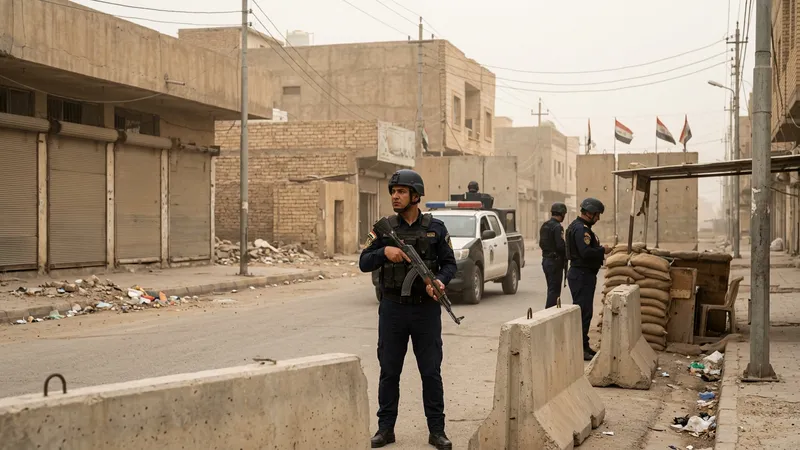
The United States military has finalized its withdrawal from Iraq, bringing an end to a two-decade operational presence in the nation. This departure is expected to create a substantial security vacuum, raising worries about the stability of Iraqi governance and the potential for heightened regional influence from entities such as Iran and the Islamic State.
Regional Security Implications
Iraq is frequently viewed as a secondary arena within a broader regional conflict. Recent deaths among American military personnel highlight the ongoing threat from paramilitary groups, which reports suggest have ties to Iran. Local Iraqi security officials have expressed doubts about their national forces' capacity to maintain internal stability without external aid. These apprehensions echo past insurgent outbreaks that followed earlier reductions in US troop numbers.
Pentagon Organizational Shift
Simultaneously with this adjustment in its regional deployment, the US Department of Defense is undergoing an internal structural reorganization. This initiative includes a 20% decrease in senior officer positions. The administration frames these reductions as a measure to reduce bureaucratic inefficiencies, although some observers suggest the move could concentrate political authority over the military's command structure.
These two concurrent developments — a modification in the US military's regional footprint and an internal change to its command framework — introduce new factors into long-term security strategies for the Middle East.