US Invests $2 Billion in Quantum Computing Growth
The U.S. Commerce Department is granting $2 billion to nine quantum computing firms, securing equity stakes.
Jason Kwon ·
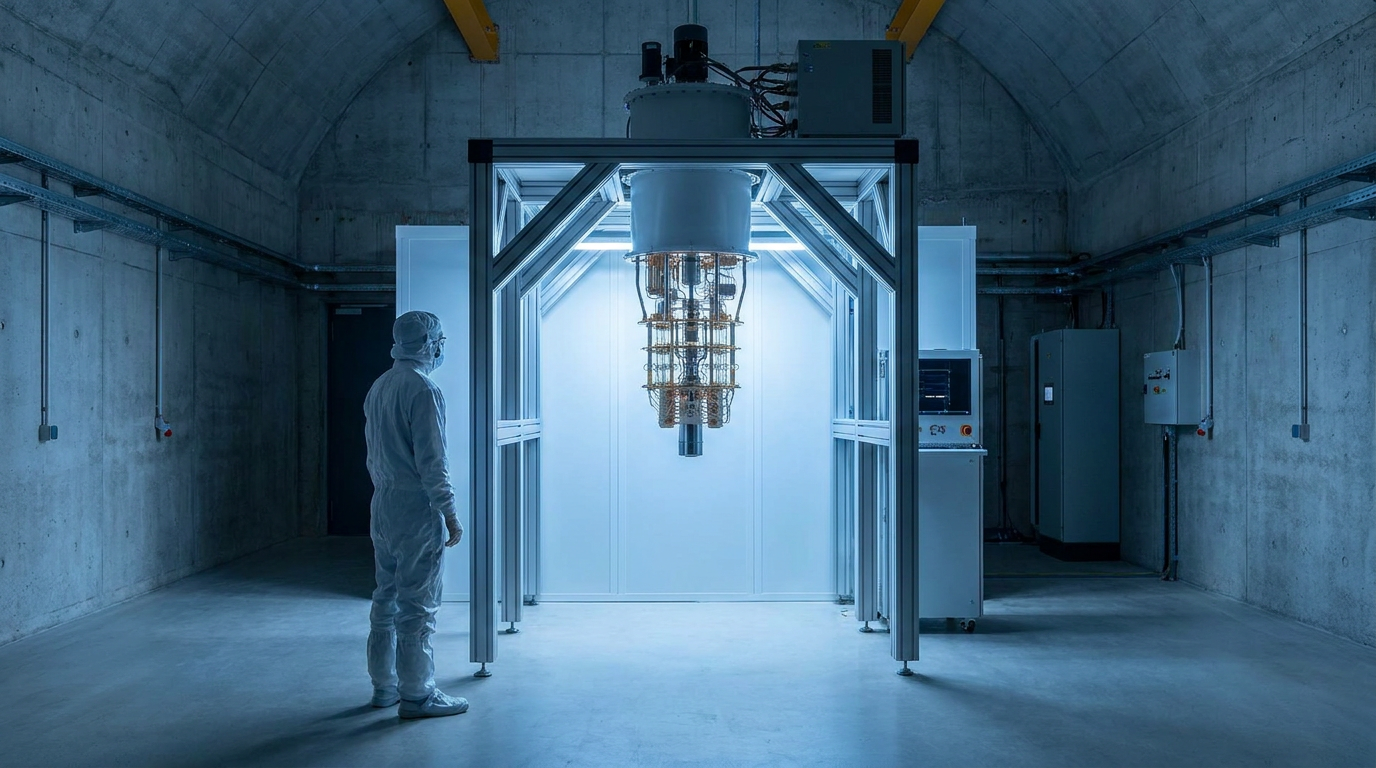
The U.S. Commerce Department has announced a significant investment of $2 billion in grants for nine quantum computing companies. This initiative includes the strategic acquisition of U.S. government equity stakes in these nascent technology firms. The move marks a substantial acceleration of federal efforts to bolster the developing quantum computing industry.
Accelerating Domestic Quantum Capabilities
A substantial portion, $1 billion of the total package, is designated for IBM, a recognized leader in the pursuit of quantum computers. These advanced machines leverage quantum mechanics to tackle complex problems far beyond the reach of current supercomputers. Coupled with advancements in artificial intelligence, quantum computing holds the potential to dramatically accelerate scientific discovery.
The funding is sourced from the 2022 Chips and Science Act, a legislative effort aimed at fostering domestic technological innovation. This act provides capital for early-stage technology projects, underscoring a commitment to future-forward industries. The Commerce Department, under Secretary Howard Lutnick, has been actively reshaping its approach to semiconductor and related technology investments.
Spurring Supply Chains and Diversified Investment
Beyond IBM, chip manufacturer GlobalFoundries will receive $375 million as part of this initiative. The remaining companies are slated to receive allocations around $100 million each, with the startup Diraq set to obtain $38 million. This broad distribution aims to support various technological approaches within the quantum computing sector.
The U.S. government's strategy involves securing minority equity stakes in each funded quantum company. This approach mirrors previous government investments in critical materials companies, such as rare-earths magnet maker Vulcan Elements and mining firm MP Materials. These equity deals are designed to align government interests with the commercial success of these key technological enterprises.
Several publicly traded firms engaged in quantum technology development are beneficiaries. These include D-Wave Quantum, Rigetti Computing, and Infleqtion. The pending completion of these deals has already generated positive market anticipation, with premarket trading showing notable gains for involved companies.
Broader Strategy and Industry Outlook
This significant funding aligns with a broader executive order currently in development, focusing specifically on strengthening the quantum computing industry. Major technology corporations such as Microsoft and Alphabet’s Google are also channeling substantial investments into quantum research. Recent scientific breakthroughs have collectively heightened investor interest and confidence in the sector's viability.
Officials within the Commerce Department express optimism about the industry's trajectory. They suggest the sector is in a significantly improved position, with a clearer path toward the realization of practical quantum computing solutions. This initiative solidifies the U.S. position in a field deemed critical for future economic and national security.