US Seeks Cuba Regime Change Blueprint From Venezuela
President Trump is signaling a new strategy for Cuba, drawing parallels with his administration's approach to Venezuela.
Lauren Collins ·
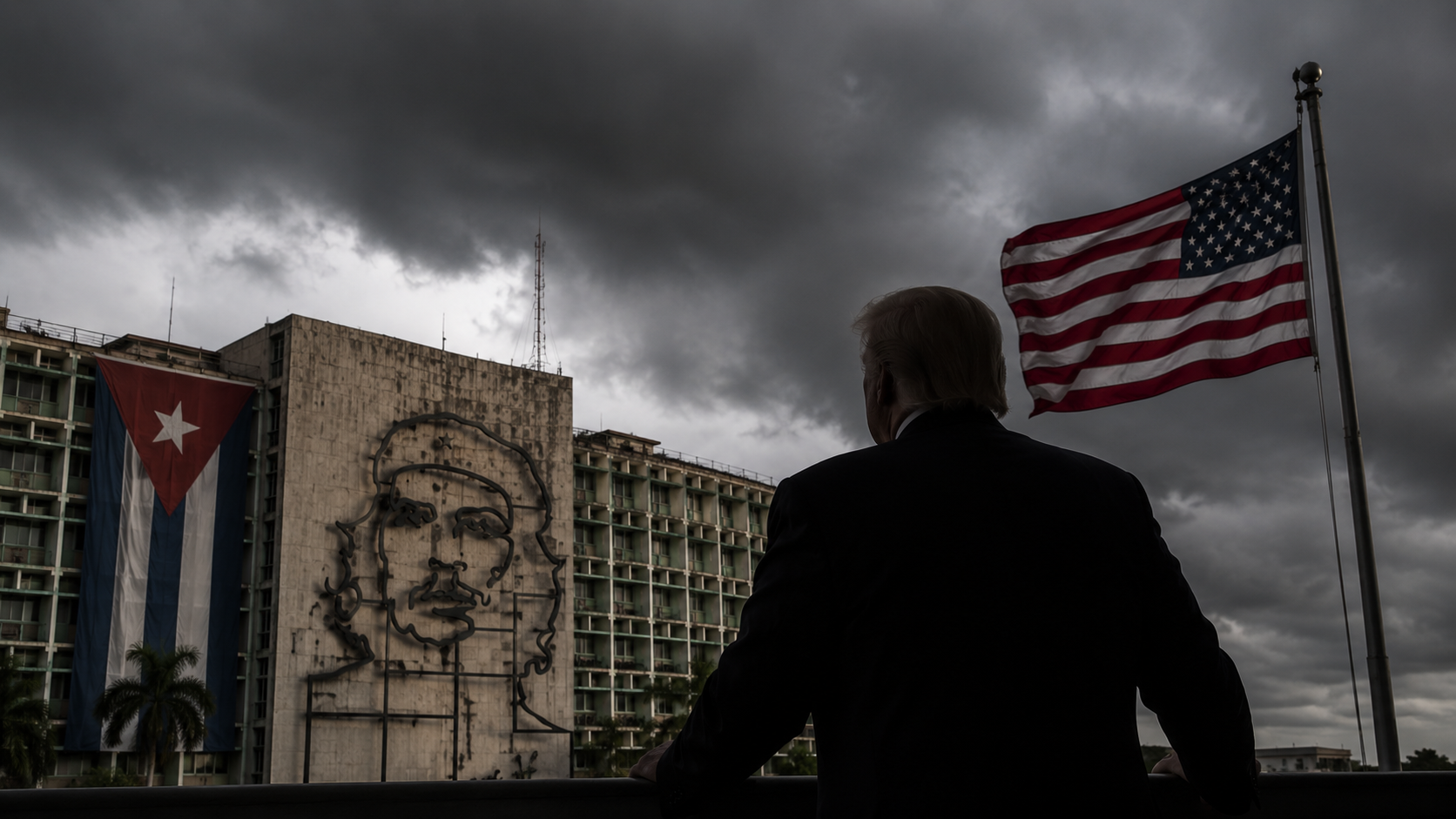
The Trump administration is signaling a sharpened focus on Cuba, adopting a strategy previously employed against Venezuela’s leadership. U.S. officials have openly referenced the playbook used to oust Nicolás Maduro, suggesting a similar outcome could be pursued in Havana. This approach aims to pressure the Cuban government into significant political and economic reforms.
Venezuela as a Blueprint
President Trump has explicitly pointed to the United States' intervention in Venezuela as a model for asserting influence in the Western Hemisphere. The indictment and subsequent arrest of Nicolás Maduro on drug-trafficking charges were presented as a success story for American foreign policy. Following Maduro's removal, his successor, Delcy Rodriguez, has reportedly adhered to U.S. demands, a scenario the administration views as a potential blueprint for Cuba.
The Trump administration views this as a clear message to socialist governments in the region. This policy suggests that any government perceived as destabilizing the hemisphere or threatening U.S. interests will face repercussions. The actions taken against Venezuela are intended to demonstrate the consequences of opposing U.S. objectives.
Intelligence Outreach and Seek for 'Cuban Delcy'
U.S. intelligence agencies are reportedly engaging with potential defectors or insiders within the Cuban government. The aim is to cultivate relationships that could facilitate regime change in Havana. This effort mirrors tactics used in Venezuela, where intelligence officials sought to identify and collaborate with individuals who could hasten the transition away from Maduro’s rule.
Central Intelligence Agency Director John Ratcliffe reportedly referenced the Maduro case during a recent visit to Havana. This serves as a pointed warning to Cuban leadership. U.S. officials expect Havana to seriously consider demands for economic liberalization and political opening.
The administration has publicly praised figures like Delcy Rodriguez for their cooperation following leadership changes. This suggests a desire to find a similar cooperative figure within Cuba who could help enact U.S.-favored reforms. The search for a compliant Cuban counterpart is a key element of this strategy.
Broader Implications for Regional Policy
This strategic alignment with the Venezuela model signals a potentially more assertive U.S. stance toward Cuba. It elevates the stakes for Havana, suggesting a willingness to employ more direct pressure tactics. The focus is on forcing systemic changes rather than engaging in incremental diplomacy.
The emphasis on economic and political reforms aligns with long-standing U.S. policy objectives regarding Cuba. However, the explicit adoption of the Venezuela intervention suggests a potentially more forceful implementation. Future actions will likely depend on Havana's response to these increasing pressures.