Namibia Secures $60M for Wildlife and Livelihoods Initiative
Namibia secures over N$1 billion ($60 million) for wildlife conservation and rural livelihoods via a new initiative.
Lauren Collins ·
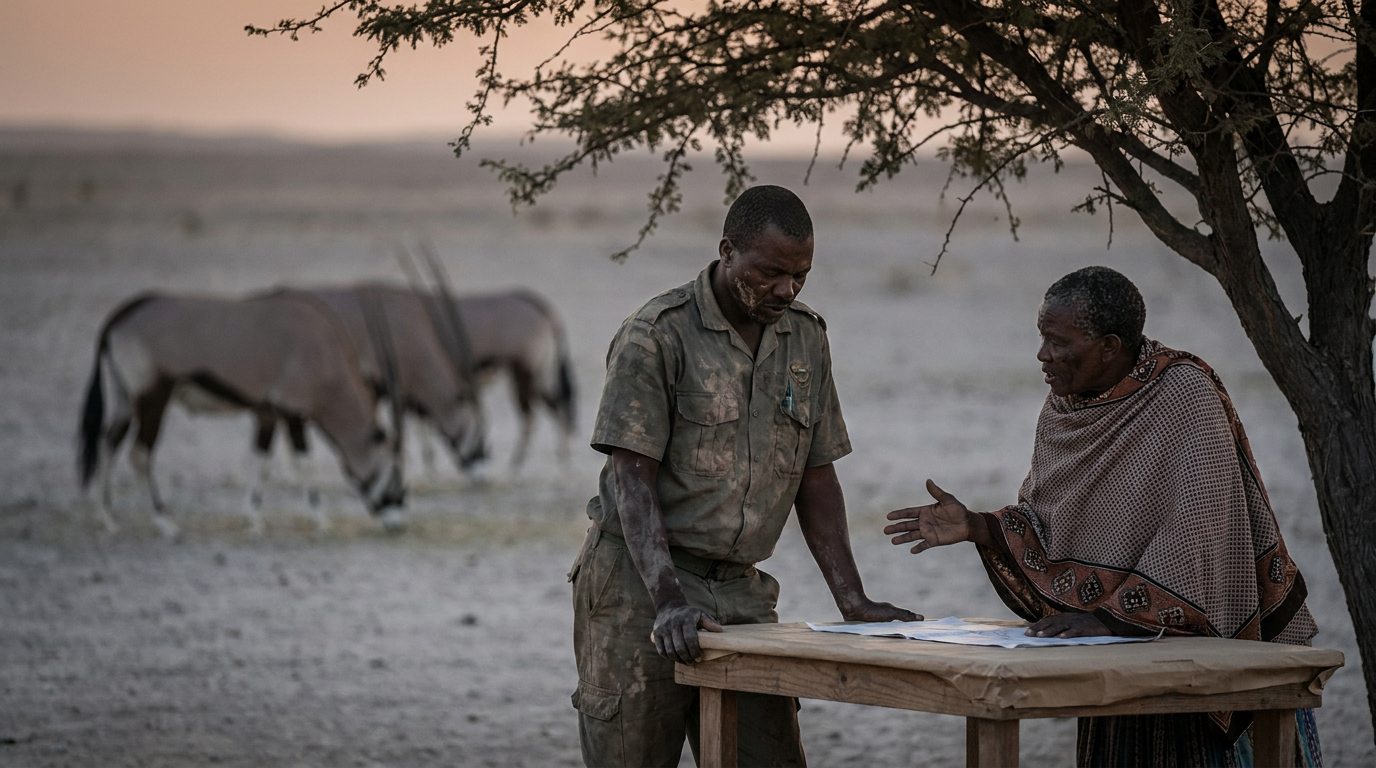
Namibia has successfully secured over N$1 billion (approximately $60 million USD) in long-term funding for its ambitious conservation efforts. This significant financial backing comes from a novel initiative designed to protect the nation's rich biodiversity and ensure the sustainability of rural communities. The funding aims to bridge the gap left by diminishing traditional donor contributions.
a Landmark Conservation Funding Model
The new program, named "Namibia for Life," operates under the global Project Finance for Permanence (PFP) framework. This innovative model links financial disbursements to the achievement of specific conservation, governance, and community development targets. It represents the first PFP initiative to be established on the African continent, and notably, it is the first to specifically concentrate on community-led conservation models.
This initiative draws together a coalition of international public sector bodies and private conservation organizations. Their collective aim is to bolster Namibia's established community-based natural resource management system. This comprehensive system currently encompasses 91 conservancies and extends across vast tracts of land, covering more than 230,000 square kilometers.
Community-Centric Approach to Sustainability
Unlike many previous PFP programs globally that primarily supported state-managed protected areas, "Namibia for Life" places a strong emphasis on community involvement. "Most PFP programs elsewhere have primarily supported state-protected areas," explained Juliane Zeidler, the World Wide Fund for Nature's Country Director for Namibia, during the signing ceremony in Windhoek. This focus acknowledges the crucial role local communities play in successful, long-term conservation outcomes.
The significance of this community-centric approach cannot be overstated. By empowering local populations and providing them with tangible benefits derived from conservation, the initiative fosters a powerful incentive for environmental stewardship. This model is anticipated to enhance the resilience of both wildlife populations and the socio-economic fabric of rural Namibia.
Future Outlook and Impact
The establishment of "Namibia for Life" marks a pivotal moment for conservation finance in Africa. It provides a scalable and sustainable model that could be replicated in other regions facing similar challenges with funding security. The long-term financing secured is expected to provide the stability needed to implement robust conservation strategies and development programs over an extended period.
Moving forward, the success of this initiative will be closely monitored. Key performance indicators related to biodiversity, habitat protection, and community well-being will be crucial in demonstrating the effectiveness of the PFP model in an African context. The involvement of both public and private international partners signals a growing recognition of the integrated approach required for overcoming conservation funding deficits.