US Challenges China’s WTO Compliance, Citing Industrial Targeting
The US has formally challenged China's WTO compliance, citing state-led industrial targeting and non-market practices as threats to global trade.
Lauren Collins ·
The United States has formally challenged China’s adherence to World Trade Organization (WTO) commitments, stating Beijing maintains a non-market economic system. Officials assert that China is systematically targeting industrial sectors to achieve global market dominance, actions they claim undermine the international trading framework.
China’s Trade Practices Draw Scrutiny
This assessment follows two decades of China’s WTO membership. US officials contend that China’s anticompetitive behavior has intensified over this period. The critique highlights a strategic shift in Chinese policy toward state-led industrial control, challenging existing global trade norms.
The United States
Terry McCartin, Assistant US Trade Representative for China, Mongolia, and Taiwan Affairs, stated that Beijing’s approach has evolved, focusing on targeting entire industrial sectors for dominance. McCartin emphasized that China still embraces a non-market economic system 25 years into its WTO membership.
Industry Groups Seek Tariffs
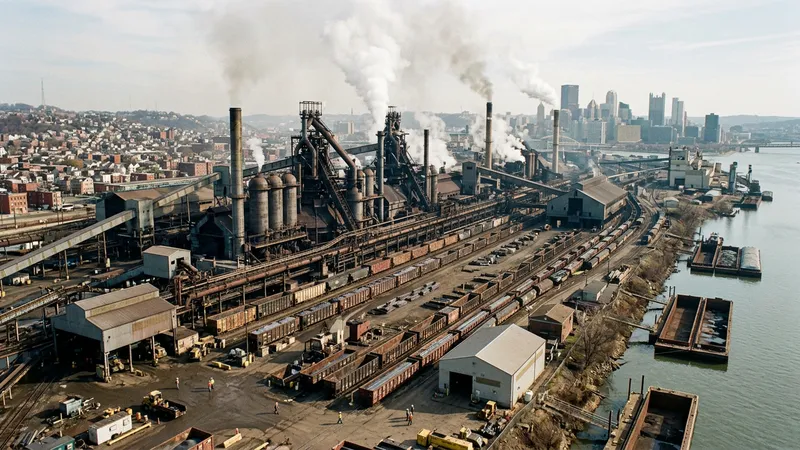
Simultaneously, domestic industry groups are pressing the US government for additional tariffs and multilateral coordination. These groups aim to address Chinese steel overcapacity, reflecting growing institutional concern regarding the impact of non-market practices on domestic manufacturing and global market equilibrium.
Ahead of a hearing on China’s WTO compliance, US steelmakers urged Washington to consider further tariffs. The administration is evaluating these requests as part of a broader review of trade relations with Beijing.
Outlook for Trade Relations
If current trends continue, the US could escalate trade actions, potentially leading to increased tariffs on Chinese goods and broader multilateral efforts to counter Beijing’s industrial policies. Conversely, should China signal willingness for reform, trade tensions might de-escalate, though significant policy shifts from Beijing appear unlikely without sustained international pressure.
The primary open question is how the US will balance its domestic industry demands with broader geopolitical stability in its trade policy toward China.