US Munitions Depleted After Iran Conflict
U.S. munitions stocks fell sharply after the Iran war began in late February 2026, forcing reallocations and leaving replenishment dependent on funding.
Lauren Collins ·
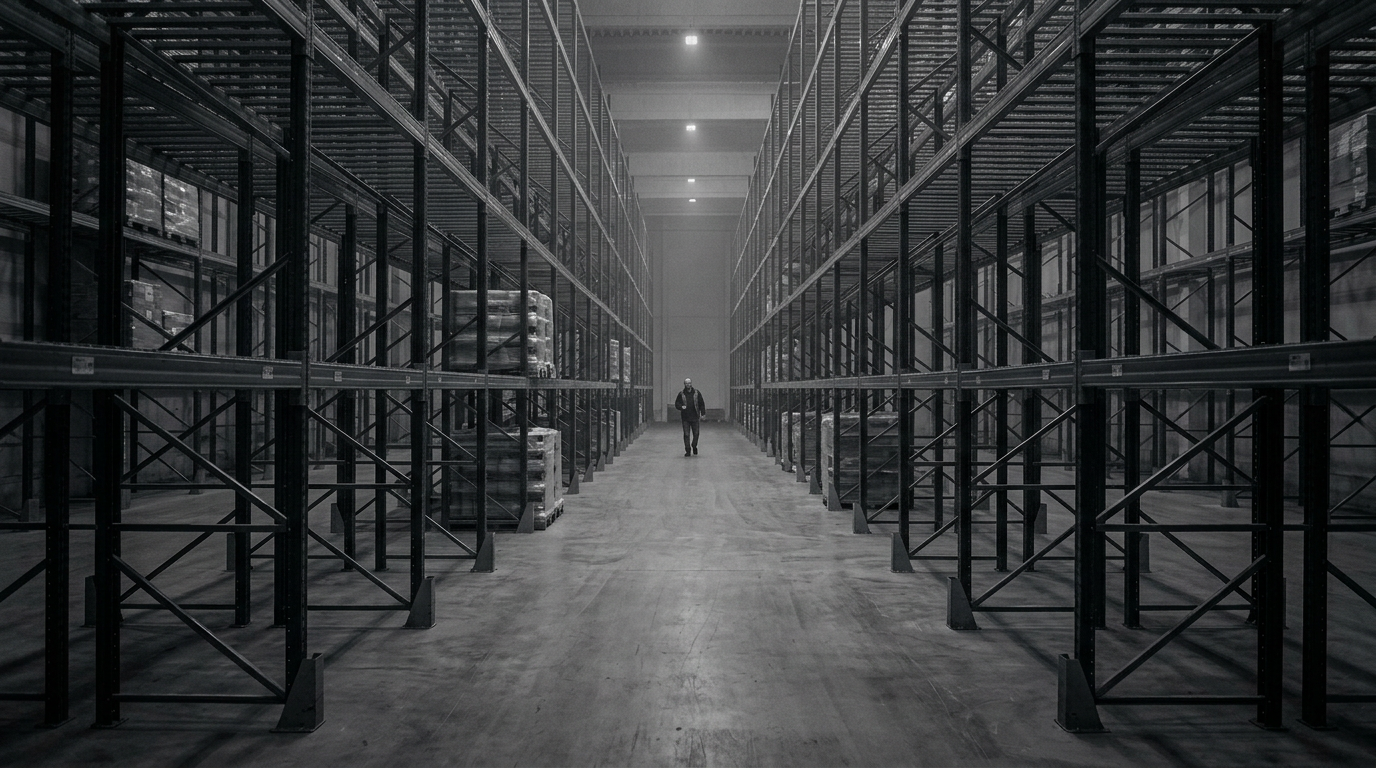
The United States military has drawn down key munitions stockpiles sharply after the war in Iran that began in late February 2026. Internal Defense Department estimates and congressional officials said the pace of spending has pushed several high-demand weapons categories to critically low levels. The drawdown has also driven urgent shifts of equipment from other regions into the Middle East.
S. inventory intended for a potential conflict with China. Officials also cited the use of more than 1,000 Tomahawk cruise missiles. In addition, roughly 1,200 Patriot interceptor missiles and more than 1,000 Precision Strike and ATACMS ground-based missiles were expended, leaving inventories at critically low levels.
The rapid burn rate has had immediate operational consequences. Officials said the Pentagon has had to reallocate military hardware from U.S. commands in Asia and Europe to the Middle East to sustain operations. That redistribution, they said, has reduced the readiness of those regional commands to respond to other potential adversaries.
Cost has been a central feature of the drawdown. Officials noted that Patriot interceptors cost over $4 million each, underscoring how quickly large-scale missile defense and strike operations can translate into major spending. Independent groups estimated the overall financial cost of the conflict at between $28 billion and $35 billion, including $5.6 billion in munitions used in the first two days alone.
Rebuilding inventories is expected to be slow. Officials said replenishing depleted stockpiles back to pre-war levels is projected to take years at current production rates. The administration, they said, sought to address capacity constraints by securing seven-year agreements with major defense contractors in January to quadruple production capacity for precision-guided munitions and THAAD missile interceptors.
However, officials said the planned production expansion has not yet started because congressional approval is still needed for additional funding. That uncertainty leaves timelines dependent on legislative action and the defense industrial base’s ability to scale once funding is authorized.
The situation has also highlighted concerns cited by officials about reliance on expensive munitions and questions about whether industry can ramp output quickly while developing more cost-effective alternatives.