Iran Seizes Ships Amid Israeli War Signals
Iran seizes ships in the Strait of Hormuz as Israel signals readiness to renew conflict; 15 seafarers reported safe and 33 ships rerouted.
Lauren Collins ·
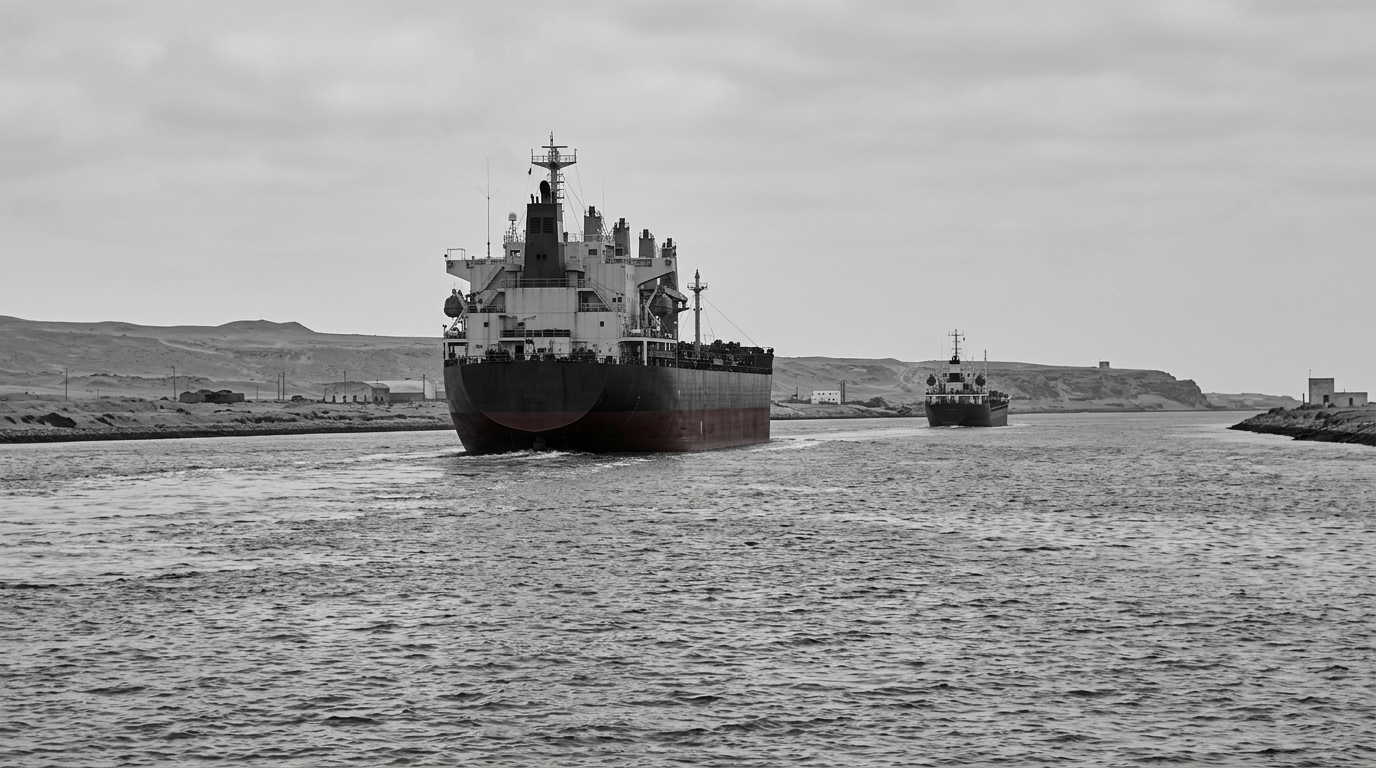
Iranian state media on Thursday aired video showing masked commandos taking control of two cargo ships in the Strait of Hormuz. The vessels were described as being held by Iran’s Revolutionary Guard, as the incident added to already heightened regional tensions.
The Philippine government said 15 seafarers were aboard the ships held by the Revolutionary Guard and reported they were safe. No further details were provided in the source material about the ships’ ownership, flags, or destinations.
At the same time, a U.S. blockade in the Strait of Hormuz has redirected 33 ships, according to the source material. Iran has described that measure as a violation of a ceasefire, underscoring how maritime security and ceasefire compliance claims are now intersecting in one of the world’s most strategically important waterways.
In Israel, Defense Minister Israel Katz said the country is prepared to renew conflict with Iran. The statement came as the situation at sea and competing ceasefire narratives continued to develop, with no additional operational details included in the source material.
In Washington, President Trump has not publicly commented on the unfolding events, according to the source material. The White House said there is no firm deadline for Tehran to respond to demands for a peace deal, while Trump’s administration said it will set the timeline for resolving the conflict.
Separately, Israel and Lebanon were scheduled to begin a second round of peace talks on Thursday. The talks were set to proceed despite mutual allegations of ceasefire violations between the Israeli military and Iran-backed Hezbollah, reflecting continued friction alongside diplomatic engagement.
In another development on Thursday, Iranian opposition figure Reza Pahlavi was struck with a red liquid by a protester in Berlin, according to the source material. Pahlavi was not injured, and police detained a suspect; the substance was described as likely tomato juice.
Pahlavi, who has lived in exile for 47 years, criticized the U.S.-Iran ceasefire and called for continued pressure on Iran’s government. He also emphasized enforcing sanctions and supporting civil society in Iran, positions that remain part of broader international debates over how external pressure and diplomacy should be balanced.