India protests Iran firing on ships in Strait of Hormuz
India protests Iran after firing on two India-flagged vessels in the Strait of Hormuz, summoning Tehran’s ambassador on April 19.
Lauren Collins ·
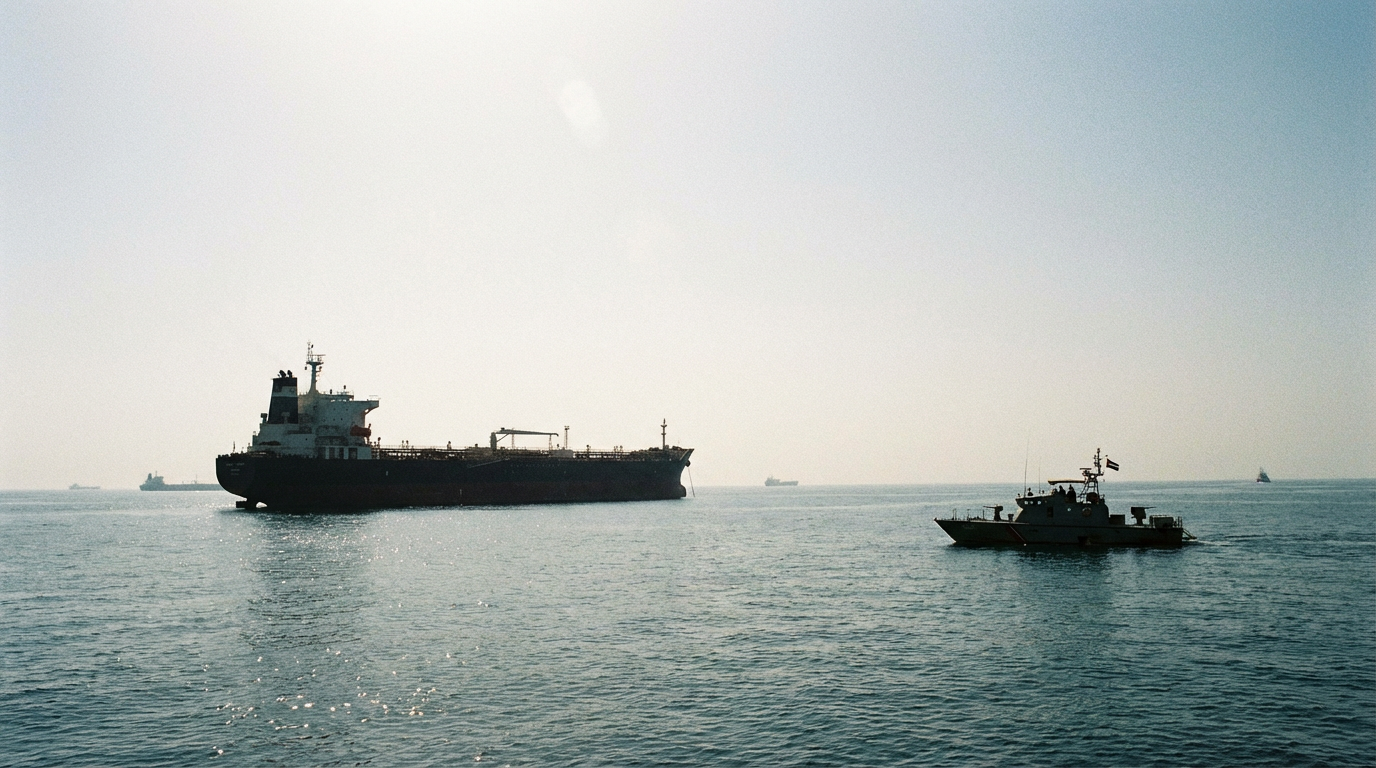
India has lodged a formal protest with Iran after two India-flagged merchant vessels came under fire in the Strait of Hormuz. Officials said New Delhi summoned Iran’s ambassador to convey its objection to what India described as a “serious incident of firing.” The protest was made on Sunday, April 19, while the specific date of the firing was not provided.
The incident was reported after Iran declared the strait open for shipping on Friday, according to the information provided by officials. India’s diplomatic démarche signals heightened concern about maritime security in one of the world’s most strategically important sea lanes. The Strait of Hormuz is widely regarded as a critical chokepoint for international oil shipments, and officials noted that any perceived threat to commercial traffic can carry geopolitical and economic consequences.
India’s response focused on the safety of its flagged vessels and the people working aboard them, as well as the protection of commercial interests tied to uninterrupted shipping. By summoning the ambassador, New Delhi used a standard diplomatic channel to register its position directly and formally. The available details do not specify the circumstances of the firing, the nature of the damage, or whether there were injuries, leaving key operational facts unclear.
Beyond the immediate bilateral exchange, the episode draws attention to the sensitivity of global trade routes that connect energy producers and consumers across regions. The Strait of Hormuz sits at the center of global energy logistics, and officials emphasized that disruptions or threats to merchant shipping can ripple through markets and international relations.
For countries with significant maritime trade exposure, incidents involving flagged vessels can quickly become matters of state-level concern.
Separately, Indian Vice President CP Radhakrishnan began his first official foreign tour to Sri Lanka, with the visit focused on bilateral ties and New Delhi’s “neighborhood first” policy. Officials indicated this travel is not linked to the Strait of Hormuz incident, but the overlap in timing underscores India’s active diplomatic calendar. The combination of a maritime security protest and a regional diplomatic visit highlights how New Delhi is managing multiple external priorities at once.
What remains uncertain is the precise timeline of the firing, the immediate trigger for the incident, and whether further diplomatic steps will follow. Officials have not provided additional operational details, and no further information was included on any investigation or follow-up measures. For now, India’s formal protest stands as the clearest public action taken in response to the reported firing on the two India-flagged vessels.